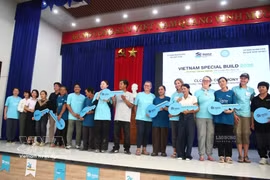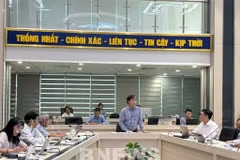
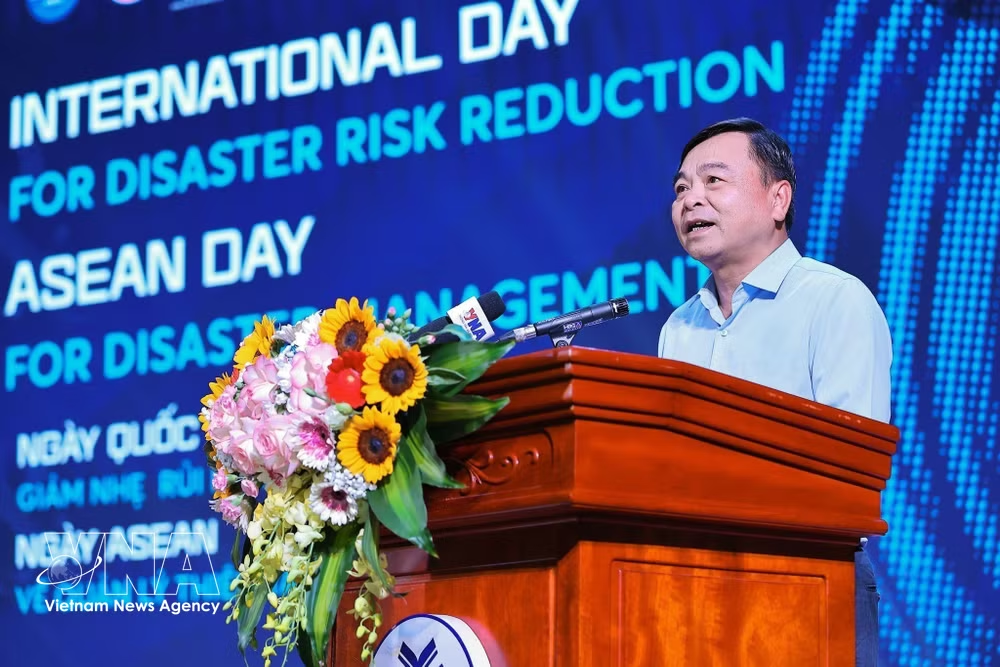
Hanoi (VNA) – Deputy Minister of Agriculture and Environment Nguyen Hoang Hiep called for risks to be identified, forecast and flagged early, with action taken before they escalate into disasters during a rally in Hanoi on October 13 marking the International Day for Disaster Risk Reduction and ASEAN Day for Disaster Management 2026.
The Ministry of Agriculture and Environment, the Hanoi National University of Education and international members of the Disaster Risk Reduction Partnership co-hosted the event.
This year’s theme, “Resilience starts at home”, stresses the role of each household in preparing for disasters, cutting risks and building resilience.
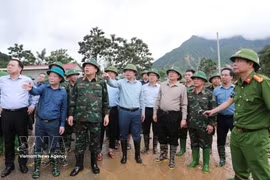
Recent experience, including the Quang Trung Campaign, shows that success depends on coordinated efforts across the entire political system, the armed forces, authorities at all levels and the public, backed by invaluable support from international partners, Hiep said.
Another gain has been delivering disaster prevention and preparedness knowledge to younger generations in an accessible and engaging way. Nationwide activities include educational contests such as “Ring the Golden Bell” and “School Ambassador”, which let students at different levels learn through interactive activities while building disaster response skills.
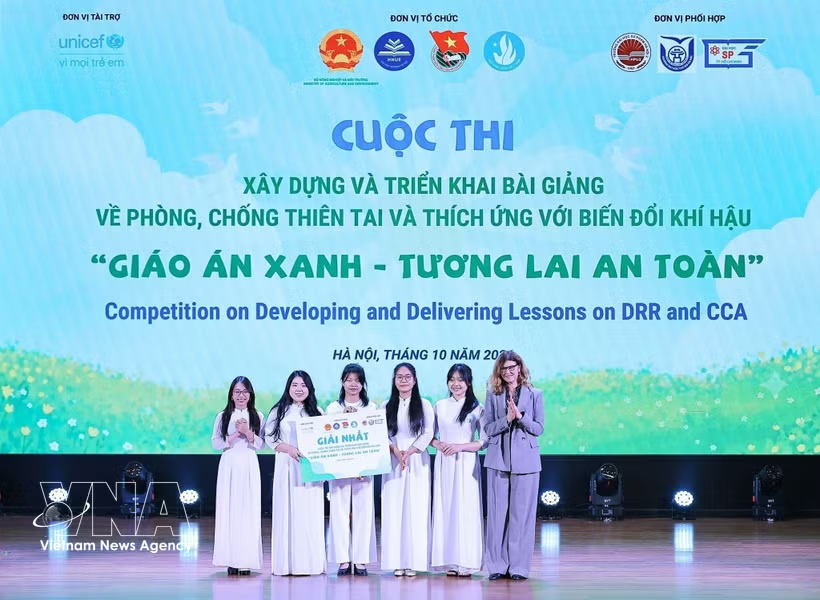
A competition on developing teaching materials on disaster prevention and climate change adaptation has also expanded. It grew from two universities of education in 2025 to four in 2026, drawing thousands of teachers who will pass safety knowledge on to future generations.
Disaster-resilient school models have been built and are becoming examples of proactive preparedness. The results go beyond figures and awards, laying a solid foundation for safe and sustainable communities able to withstand future natural hazards.
Pauline Tamesis, United Nations (UN) Resident Coordinator in Vietnam, said rapidly shifting climate conditions and increasingly overlapping hazards mean disaster risk reduction can no longer stand alone. It must sit at the heart of sustainable development, tightly integrated with climate response, water security, social welfare and economic growth.
She outlined several strategic shifts from disaster response to proactive forecasting and risk management before disasters hit, from managing losses and damage to preventing and reducing risks, and from treating resilience as post-disaster humanitarian aid to recognising it as a core investment in sustainable development.
To protect Vietnam’s hard-won development gains, she set out four priorities, including turning early warnings into early action, scaling up anticipatory action, building resilience into development processes, and putting people and communities at the centre.
Participants heard lessons from the armed forces’ role in the Quang Trung Campaign and watched a video documenting it. The event also honoured the winning teams in the teaching materials competition.
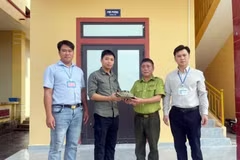
They also saw the Prime Minister’s certificate of merit presented to the Office of the UN Resident Coordinator in Vietnam for its outstanding contributions to disaster risk reduction./.