Hanoi (VNA) - Influenza can raise the risk of heart attack and cause many underlying conditions to worsen among the elderly. Experts recommend annual flu vaccination, while also considering enhanced protection options suited to this high-risk group.
Many people still regard influenza as a common respiratory illness. However, scientific evidence updated at a series of workshops on the burden of influenza, its complications in elderly people (aged 60 and above) and specialised preventive solutions for this group shows that the disease can have a far broader impact on their health.
The series of events, organised by the Tam Anh Research Institute and sponsored by Sanofi-Aventis Vietnam Co., Ltd, drew more than 1,000 healthcare professionals.
According to scientific reports presented at the events, influenza can trigger or aggravate many chronic conditions common among the elderly. The risk of cardiovascular, respiratory and metabolic events may increase significantly after a bout of flu.
Speaking at the workshop, Assoc. Prof. Dr Vu Thi Thanh Huyen, Secretary General of the Vietnam Association of Geriatrics, said: “Influenza does not only affect the respiratory tract; it can affect the entire body. For the elderly and those with underlying conditions, a bout of flu can be the starting point for a series of serious complications.”
Citing studies, Huyen said the risk of heart attack can rise up to tenfold in the days following influenza infection and the risk of stroke eightfold, while hospitalisations for heart failure increase by 24%. Among people with diabetes, flu infection is associated with a 74% higher risk of blood glucose disorder events, and about 18% of patients still experience prolonged functional decline 30 days after hospital discharge.
Experts noted that the four leading causes of death in Vietnam – stroke, ischaemic heart disease, chronic obstructive pulmonary disease (COPD) and diabetes – are all conditions that can be aggravated by influenza infection.
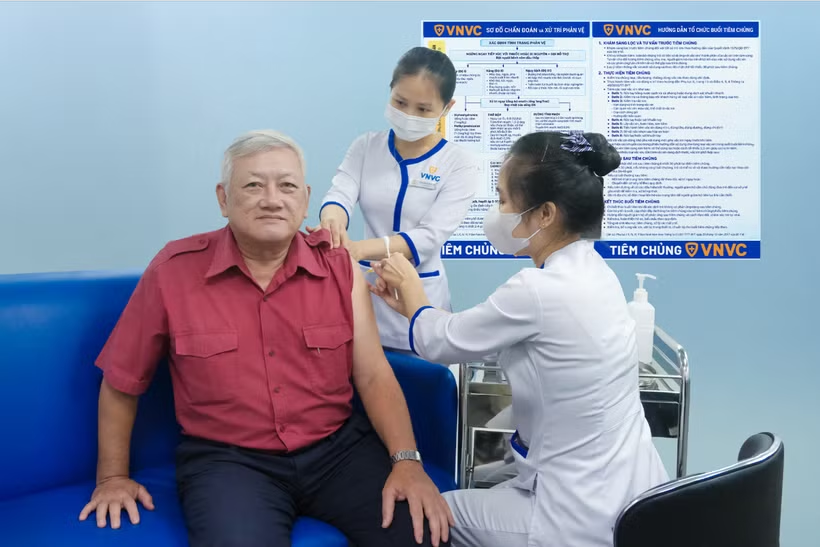
Given these risks, annual flu vaccination continues to be regarded as a key preventive measure for the elderly and those with chronic diseases. Recommendations from the Ministry of Health and domestic professional associations all underline the role of annual vaccination in preventing influenza and its complications.
Experts also noted that standard-dose flu vaccines have made, and continue to make, an important contribution to expanding vaccination coverage and reducing the burden of influenza in the community. However, as people age, immunosenescence – the gradual decline of the immune system – can weaken their protective response.
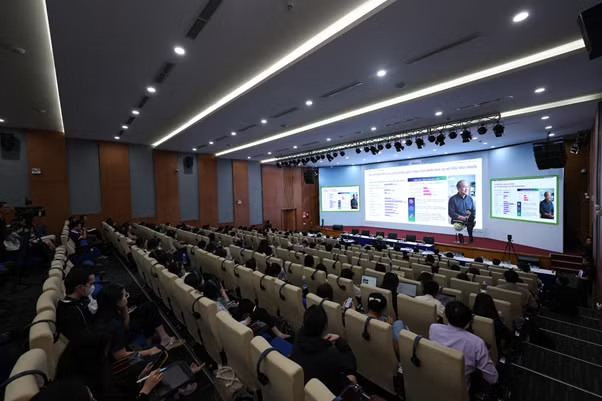
Also at the workshop, Assoc. Prof. Dr Tran Quang Binh, Medical Director of Tam Anh General Hospital in Ho Chi Minh City, said the current goal is not only to raise vaccination rates but also to optimise protection for the highest-risk group.
“This is why immune-enhancing strategies for the elderly are drawing growing attention. Among them is the high-dose flu vaccine, specifically designed for the elderly, which helps strengthen their protection against influenza and flu-related complications,” Binh said.
According to experts, the current global trend is to tailor influenza prevention strategies to the risk profile of each population group. People aged 60 and over are a priority group requiring stronger protection against flu-related cardiovascular and metabolic complications. Clinical data accumulated over many years show that immune-enhancing solutions, such as flu vaccines designed specifically for the elderly, are opening up additional options to meet this age group’s growing need for protection.
Prof. Dr Ngo Quy Chau, President of the Vietnam Respiratory Society and Deputy Director General for Professional Affairs at Tam Anh General Hospital in Hanoi, said: “We are shifting from the simple goal of preventing influenza to the goal of minimising the severe consequences of influenza among the elderly.”
Annual flu vaccination therefore remains a key foundation for protecting the elderly against influenza. However, as the immune system weakens with age, the goal is not only to get vaccinated but also to achieve a level of protection that matches one’s disease risk. That is why solutions such as flu vaccines designed specifically for the elderly are receiving increasing attention in clinical practice.
This approach is also being adopted by many countries and professional associations in their strategies to protect the elderly from the growing burden of seasonal influenza.
The workshops attracted strong interest from experts and health workers in treatment and prevention, while offering updated perspectives on strategies to protect the elderly against seasonal flu. They are expected to mark an important step towards more effective influenza prevention for people aged 60 and above in Vietnam in the time ahead./.