HCM City moves towards a knowledge-based growth model

HCM City remains Vietnam’s start-up hub, hosting more than 2,000 start-ups — over half the national total — with an ecosystem valued at 5.22 billion USD. The city ranks fifth in Southeast Asia and is close to entering the world’s top 100 most dynamic start-up ecosystems.

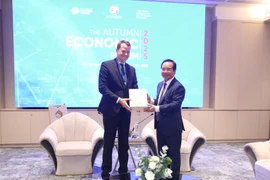
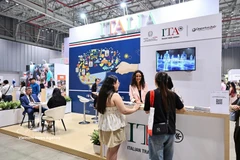
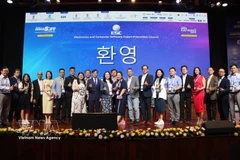
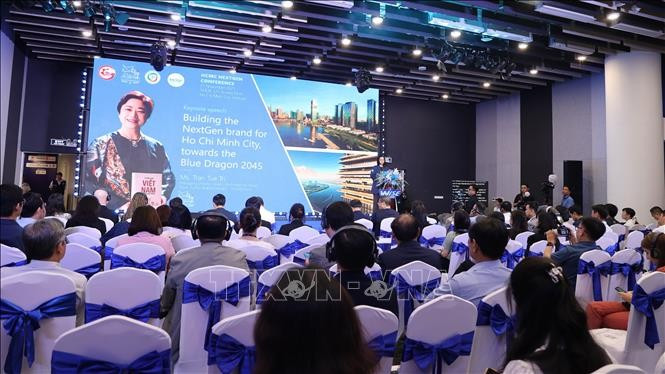
An overview of the HCM City NextGen Conference on November 27, a flagship event of the HCM City Week of Innovation, Science, Technology and Entrepreneurship 2025. (Photo: VNA)

HCM City (VNA) – Ho Chi Minh City is positioning itself for transition, aiming to build a new knowledge-driven growth model anchored in innovation and digital transformation as global competition shifts toward knowledge, technology and innovation, and advantages tied to natural resources or low-cost labour are fading, according to Lam Dinh Thang, Director of the municipal Department of Science and Technology.

Speaking at the HCM City NextGen Conference on November 27 — a flagship event of the HCM City Week of Innovation, Science, Technology and Entrepreneurship 2025 — Thang said the strategy aligns with the Politburo's Resolution 57-NQ/TW on breakthroughs in science, technology and national digital transformation.

The 2021–2025 period recorded several important milestones, with total factor productivity (TFP) contributing more than 50% of the city’s Gross Regional Domestic Product (GRDP) growth, reflecting a clear shift towards a knowledge-based development model, he stated.

HCM City remains Vietnam’s start-up hub, hosting more than 2,000 start-ups — over half the national total — with an ecosystem valued at 5.22 billion USD. The city ranks fifth in Southeast Asia and is close to entering the world’s top 100 most dynamic start-up ecosystems.

Digital infrastructure is also expanding. The city leads Vietnam’s Digital Transformation Index (DTI) with 82% 5G coverage and 16 data centres in operation. Under the targets set by the HCM City Party Organisation’s Congress for the 2025–2030 term, the city aims to become a regional centre for science, technology and innovation by 2030.

To realise this goal, HCM City will focus on three strategic breakthroughs for the 2026–2030 period, focusing on institutions and policies; strategic technology and innovation ecosystem; and digital governance and digital human resources, according to the official.

“To break through and compete globally, Ho Chi Minh City must build a NextGen — not only the young, but an inter-generational ecosystem where youth innovation combines with expert experience,” he noted. “This synergy is how we master technology and create sustainable, humane, inclusive value.”

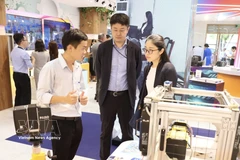
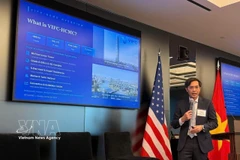
At the forum, Daniel Theobald, co-founder of MassRobotics and founder & Chief Innovation Officer of Vecna Robotics (US), highlighted opportunities for cooperation in robotics, automation, AI and start-up ecosystem development.

He urged the city to prioritise real-world industry challenges — especially export-focused supply chains, one of the city’s core competitive strengths — rather than pursuing headline-friendly trends such as humanoid or general-purpose robots. Instead, he said, the focus should be on co-investment in R&D, patent creation, simulation and testing environments, and the establishment of technology standards, which form the basis of long-term value.

Theobald also recommended expanding infrastructure and resource access for start-up founders, including workspaces, free legal services for business registration and patent filing, investment review support, and deep mentorship programmes.

He further suggested establishing direct channels to Silicon Valley and other major markets, while encouraging major tech firms operating in the city to support emerging companies. Strategic engagement from leading enterprises, he said, will create the pull necessary to strengthen the city’s innovation ecosystem./.
VNA

See more

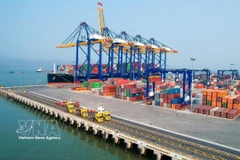
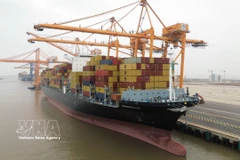
The vessel carrying the 2 millionth TEU arrives at Hai Phong Port. (Photo:VNA)

Hai Phong Port reaches 2-million-TEU milestone

Handling the 2 millionth TEU in 2025 not only demonstrates Hai Phong Port’s operational capacity and the collective efforts of its workforce, but also highlights its increasingly important role in regional and global supply chains, the confidence of shipping lines, logistics firms and the business community, and the effectiveness of policies to improve the investment climate and strengthen maritime infrastructure and services.

Melons labelled with traceability codes on display at the Song Van agricultural produce store in Ninh Binh city, Ninh Binh province. (Photo: VNA)

Tracing origins hindered by fragmented data systems

As the Government accelerates the digital economy, establishing a unified national traceability system has become a crucial move to end data fragmentation and disconnection among ministries, sectors and localities.

Hyundai unveils its new Avante Hybrid model in Seoul, the Republic of Korea, on August 13, 2020. (Photo: Yonhap/VNA)

Tax cuts poised to ignite Vietnam’s hybrid vehicle boom from 2026

Experts forecast that 2026-2030 will mark a period of strong growth for hybrid vehicles in Vietnam, a trend that will invigorate the automotive sector while supporting national objectives on emissions reduction, sustainable development and the broader transition to green mobility.

Illustrative image (Photo: VNA)

Vietnam targets 1 billion USD in banana exports

Bananas have been identified as a priority product under the Project for the Development of Key Fruit Crops to 2025, with a vision to 2030, approved in October 2022. Under the plan, banana acreage is projected to reach 165,000–175,000ha by 2030, with output of 2.6–3 million tonnes.

Deputy Minister of Foreign Affairs Nguyen Minh Hang (Photo: VNA)

Event connects Vietnamese businesses with African countries

Deputy Foreign Minister Nguyen Minh Hang held that to develop Vietnam – Africa ties more strongly and substantively, it is necessary to promote the engagement of businesses, and that the Government will create favourable conditions for them to enhance fruitful cooperation.

Deputy Prime Minister Ho Duc Phoc (R) and Independent Non-executive Chairman of AIA Mark Tucker at their meeting in Hanoi on December 12. (Photo: VNA)

AIA Group envisions long-term investment, cooperation in Vietnam

Over 25 years of operation in Vietnam, AIA has achieved positive results. Its premium revenue ranks among the top five life insurers, reaching nearly 14.83 trillion VND (563.71 million USD) in 2024 and an estimated 15.73 trillion VND in 2025, equivalent to around 10% of the market share.

A view of the 2025 Japan business roundtable in HCM City on December 12. (Photo: VNA)

Ho Chi Minh City courts Japanese investment with growth blueprint

Ha underscored the pivotal contributions of Japanese firms, which have long supported local socio-economic progress through major infrastructure projects, industrial zones and workforce training courses. To date, Japanese companies have invested more than 15 billion USD in over 2,200 projects, reflecting sustained confidence and commitment to the market.

Deputy Prime Minister Bui Thanh Son receives Kounlaphanh Vongnathy, Vice President of Phongsupthavy Group, in Hanoi on December 12, 2025. (Photo: VNA)

Lao group urged to deepen energy ties with Vietnam

Deputy Prime Minister Bui Thanh Son has commended Phongsupthavy Group as one of Laos’ leading investors supplying electricity to Vietnam, noting its pledge to ramp up power exports and actively contribute to the implementation of energy cooperation agreements endorsed by senior leaders of the two Parties and States.