Health Ministry urges vigilance against new COVID-19 variant

The Ministry of Health's Department of Preventive Medicines advised the public not to be complacent or alarmed.

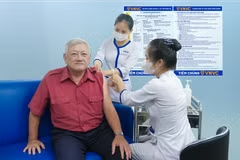
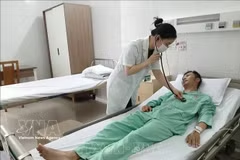
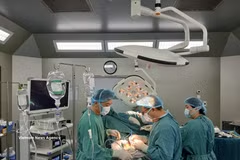
Illustrative Image
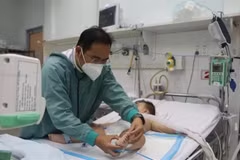
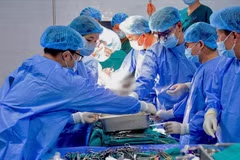
Illustrative Image

Hanoi (VNA) – The Ministry of Health (MOH) on November 24 urged the public to take proactive measures against COVID-19 while remaining calm, following the emergence of a new SARS-CoV-2 variant being monitored by the World Health Organisation (WHO).

The ministry reported on the new variant, PJ.2.1, after the WHO released an initial risk assessment on November 19, classifying it as a variant under monitoring.

According to the WHO, the proportion of PJ.2.1 in reported sequencing samples has increased in some countries. However, there is currently no evidence that it causes more severe illness or spreads more easily between people. WHO assesses the global public health risk posed by the variant as low, although with low confidence.

The ministry’s Department of Preventive Medicines advised the public not to be complacent or alarmed. It warned that changing weather conditions and increased travel, social gatherings and crowded events during the winter-spring period, particularly around the year-end and Lunar New Year festival, could increase the risk of respiratory infections, including COVID-19, especially in enclosed, crowded and poorly ventilated spaces.

Older adults, pregnant women, people with underlying conditions or weakened immunity, and those taking immunosuppressants should take extra precautions and seek medical advice promptly if symptoms develop.

The department advised wearing masks in healthcare facilities, on public transport and in crowded or poorly ventilated areas, washing hands regularly and ensuring good ventilation. People with respiratory symptoms should wear masks and limit contact with others.

Those with fever, cough, sore throat, runny nose or fatigue should seek medical advice rather than self-medicate. Anyone experiencing shortness of breath, persistent chest pain, altered consciousness or worsening symptoms should seek immediate medical attention.

The ministry stressed that the WHO's classification of PJ.2.1 as a variant under monitoring is part of routine surveillance to detect and assess changes in the virus./.

source
See more

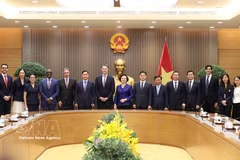
Participants in the meeting (Photo: VNA)

Vietnam encourages vaccine technology transfer

Deputy Prime Minister Pham Thi Thanh Tra called on pharmaceutical group MSD (Merck Sharp & Dohme) to consider investing in a pharmaceutical and vaccine manufacturing plant in Vietnam.

Deputy Minister of Health Đao Xuan Co delivers a speech at the forum marking 50 years of healthcare cooperation between Vietnam and Sweden (Photo: VNA)

Vietnam, Sweden seek to deepen healthcare cooperation through innovation

The two sides discussed new opportunities for partnership at a recent conference in Hanoi, part of Sweden-Vietnam Health Week 2026, which brings together more than 200 policymakers, healthcare leaders, researchers, medical professionals and business representatives from both countries.

Male plastic surgery: Why masculine aesthetics require a different approach

Male plastic surgery: Why masculine aesthetics require a different approach

Plastic surgery has long been associated with procedures for women, but men also seek treatment for abdominal fat, enlarged breasts and age-related changes around the eyes and face. The American Society of Plastic Surgeons (ASPS) includes liposuction, gynecomastia surgery and eyelid surgery among procedures performed on male patients.

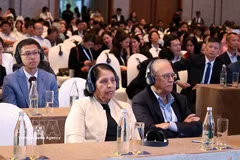
A speaker delivers presentations at the conference (Photo published by VNA)

Vietnam, Denmark expand cooperation in high-tech healthcare

Ambassador Nguyen Le Thanh called on Vietnamese and Danish partners to identify priority areas and promote research and training programmes, knowledge transfer and technology application in line with Politburo's Resolution No. 57-NQ/TW on breakthroughs in science – technology development, innovation and national digital transformation.

Ho Chi Minh City has favourable conditions for developing the ecosystem, including a large population, diverse healthcare needs and an extensive public and private medical network. (Illustrative photo: VNA)

Ho Chi Minh City develops multi-tier elderly care network amid population ageing

Dr. Huynh Minh Chin, Deputy Director of the department, said rising elderly care needs are putting pressure on traditional family-based care, as older people increasingly face multiple chronic illnesses, mobility problems, malnutrition, dementia and depression, requiring continuous support and closer coordination among hospitals, grassroots healthcare facilities, families and social support institutions.

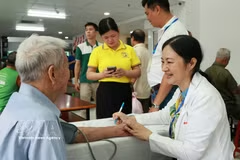
Local residents in Mondulkiri province, Cambodia, receive free medical check-ups and health consultation. (Photo: VNA)

Free medical examinations provided to remote communities in Cambodia

Vietnamese Ambassador Nguyen Minh Vu said the programme has been jointly organised by the embassy and the hospital annually in various Cambodian localities to provide healthcare support to disadvantaged households and contribute to the Cambodian Government’s efforts to improve public health. The initiative also reflects close cooperation in healthcare and the strong bonds between the people of Vietnam and Cambodia.