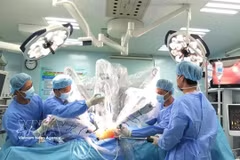
Hanoi (VNA) - Men seek aesthetic surgery for reasons ranging from abdominal contouring to facial aging. Yet differences in anatomy, expectations and medical needs mean that male patients require individualized assessment rather than a standard set of procedures.
Beyond a traditionally female-focused field
Plastic surgery has long been associated with procedures for women, but men also seek treatment for abdominal fat, enlarged breasts and age-related changes around the eyes and face. The American Society of Plastic Surgeons (ASPS) includes liposuction, gynecomastia surgery and eyelid surgery among procedures performed on male patients.
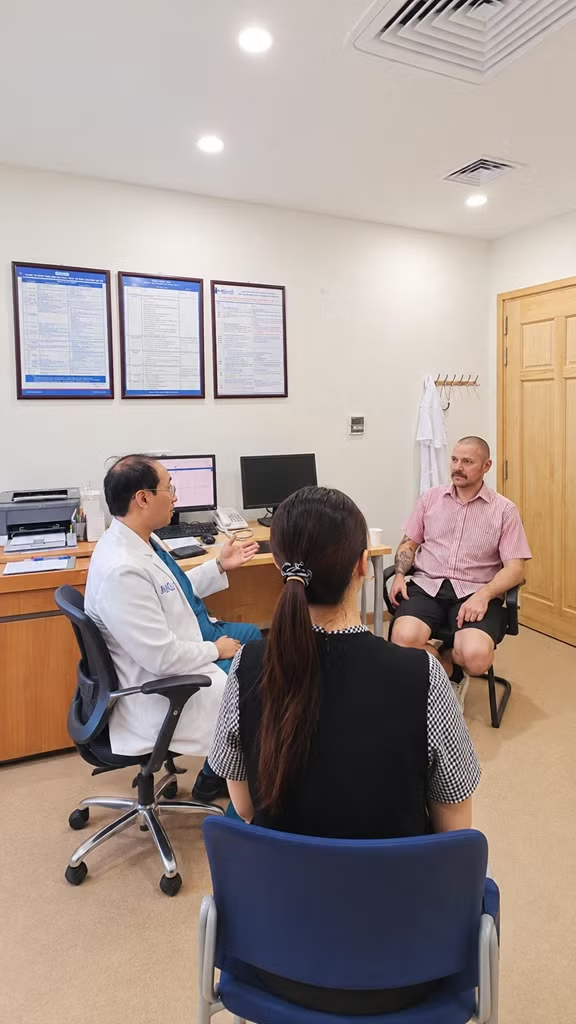
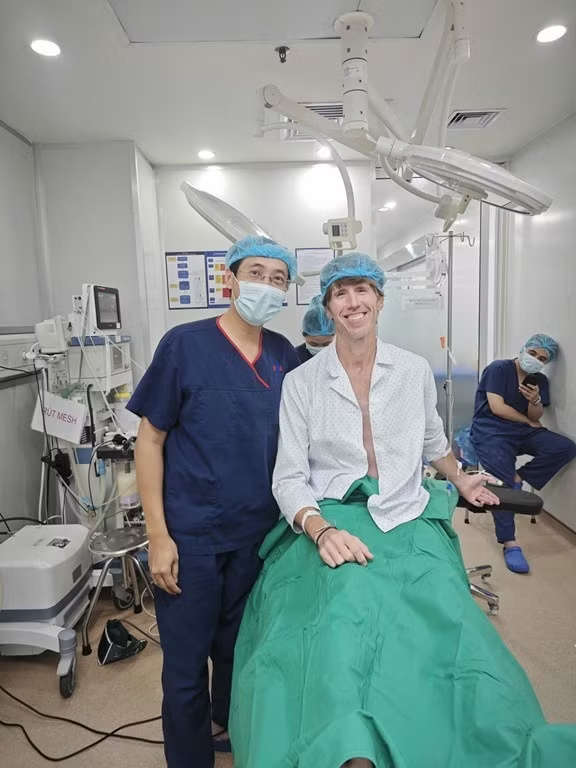
Dr. Nguyen Quang Tuan, MSc, a plastic and aesthetic surgeon practicing in Hanoi and Ho Chi Minh City, identifies anatomy and patients’ desired outcomes as important considerations in male aesthetic surgery. Improving a particular feature need not mean changing the facial or body characteristics a patient wishes to retain. His clinical perspectives in this draft should be confirmed in a direct interview.
Body contouring involves more than fat removal
Fat distribution, muscle mass and body proportions vary between individuals and may differ between men and women. For male body contouring, the relationship between the shoulders, chest, abdomen and waist can influence surgical planning.
An assessment should distinguish subcutaneous fat from visceral fat and examine skin elasticity and the abdominal wall. Liposuction removes selected deposits of subcutaneous fat; it cannot remove visceral fat inside the abdomen. Consequently, a protruding abdomen is not always a problem that liposuction can resolve.
After substantial weight loss, loose abdominal skin may also be a concern. In selected cases, an abdominoplasty assessment may be more appropriate than fat removal alone. Dr. Tuan’s proposed approach distinguishes body contouring from weight reduction: surgery is not a substitute for long-term nutrition, exercise or weight management. Overall proportions matter more than the quantity of fat removed.
Before surgery, photographs and physical examination can help clarify whether fullness is primarily caused by localized fat, skin laxity or a combination. Patients should also understand that swelling, contour irregularities and changes in sensation are possible after body-contouring procedures. The anticipated improvement should be weighed against scarring, downtime and other procedure-specific risks.
Facial rejuvenation without losing familiar features
Men may seek treatment for excess upper-eyelid skin, under-eye bags, deeper facial lines or laxity of the cheeks and neck. The aim is not necessarily a dramatic transformation; some patients want to look less tired while remaining recognizable.
Eyebrow position, eyelid anatomy, jaw structure and neck contours deserve careful consideration. Male eyebrows are generally lower than female eyebrows, so applying the same brow-lifting target to every patient can produce an unwanted appearance. Similarly, eyelid surgery and facelifts require assessment of skin condition, facial structure and individual expectations.
In discussing his approach, Dr. Tuan emphasises addressing specific signs of aging while preserving natural expression. The degree of change should be discussed with each patient rather than defined by a single ideal of masculinity.
An enlarged male chest is not always excess fat
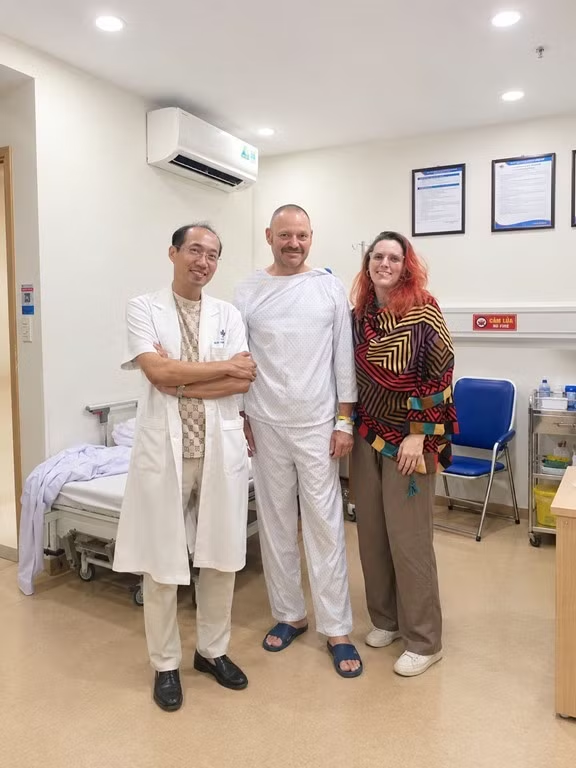
Male breast enlargement may involve fatty tissue, glandular tissue or both. Enlargement of glandular breast tissue is known as gynecomastia. According to ASPS, surgery may involve liposuction, gland excision or a combination, depending on the findings.
Identifying the cause before choosing a technique is essential. Liposuction may be considered where fat predominates, while substantial glandular tissue may require a different approach. New or unexplained enlargement, pain, a suspicious lump or other symptoms warrant medical evaluation, including consideration of medications, hormonal factors and underlying disease, before cosmetic treatment.
For Dr. Tuan, the central clinical question is therefore not simply how to make the chest smaller, but what is producing the enlargement and whether surgery is appropriate.
Treatment planning also requires realistic discussion of scars and postoperative recovery. An intervention that is technically feasible may not be the right choice when the expected improvement is limited or when the patient has not yet completed a medical assessment. These considerations are particularly important when patients request several changes during a single operation.
Middle-aged men and the preference for subtle changes
In middle age, concerns may combine facial aging, abdominal fat and changes after weight fluctuation. Some men seek improvement without an obvious change to their everyday appearance. Recovery time, work and family responsibilities can also shape the treatment plan.
Dr. Tuan’s consultation framework considers expectations, general health and postoperative support. Cardiovascular disease, metabolic disorders, medications and previous operations may affect risk assessment. The World Health Organization (WHO) stresses communication and safety checks among surgical teams; its Surgical Safety Checklist supports, but does not replace, individualized clinical judgment.
A suitable plan is not necessarily the one offering the most dramatic visible change. It should address the patient’s concerns while respecting anatomy, medical risks and recovery needs. Male plastic surgery is thus best understood as a series of individual clinical decisions, not a fixed package of procedures.
Medical background references American Society of Plastic Surgeons (ASPS): https://www.plasticsurgery.org/
World Health Organization (WHO), Surgical Safety Checklist: https://www.who.int/teams/integrated-health-services/patient-safety/research/safe-surgery/tool-and-resources