Ho Chi Minh City (VNA) – The Ho Chi Minh City Department of Health plans to allocate more than 2.5 trillion VND (95 million USD) for health check-ups targeting nearly 15 million residents in 2026.
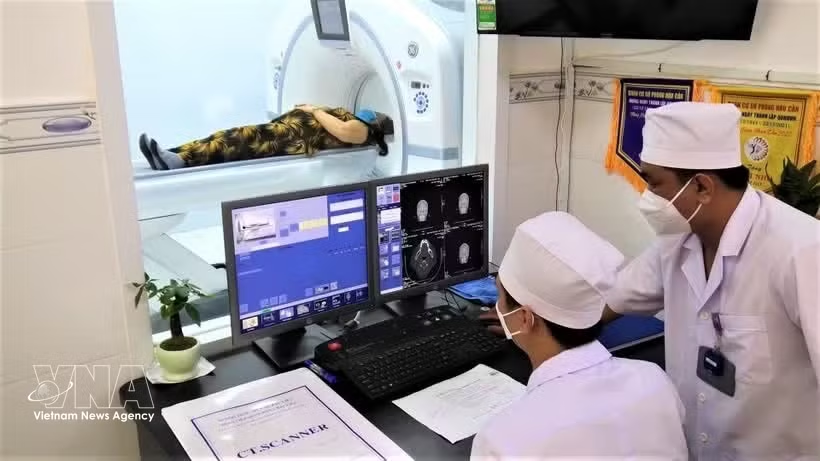
The programme, set to begin on May 25, is carried out at qualified healthcare facilities, mobile clinics at schools, factories and businesses, community-based screening sites arranged by local authorities, as well as through home visits to elderly residents, people living alone and those with limited mobility.
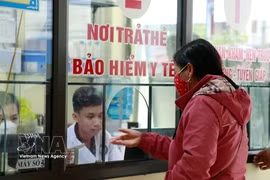
All residents living in the city, both permanent and temporary, verified through the VNeID platform, will be eligible for free health screenings. Priority will be given to vulnerable groups, including senior citizens, people with disabilities, low-income households, individuals with meritorious services, chronic disease patients and residents in disadvantaged areas.
The largest portion of the budget is earmarked for informal workers and elderly residents. Around 1.515 trillion VND will be allocated for approximately 4.5 million informal workers, while nearly 539 billion VND is set aside for 1.6 million elderly people.
Under the proposed funding mechanism, the state budget will finance screenings for groups covered by public welfare policies, school healthcare funds will support students and preschool children, and employers will be responsible for health checks for their employees. The average cost is expected to be capped at 350,000 VND per person annually.
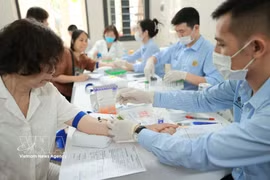
The city has also developed three tailored screening packages for different age groups. Children under six will receive growth, nutrition and developmental assessments, including autism screening. School-age children and teenagers will undergo checks for vision problems, spinal disorders, mental health and reproductive health issues. Adults aged 18 and above will receive multi-specialty examinations, laboratory tests and chest X-rays, while female workers will also be screened for breast and cervical cancer.
Commune-level health stations will serve as the main screening points where possible, while public hospitals and clinics will provide support and deploy mobile services in underserved areas.
In a major outreach effort, the health department will work with the municipal Federation of Labour to conduct large-scale health screenings for around 1 million workers between May 30 and September 30, 2026./.