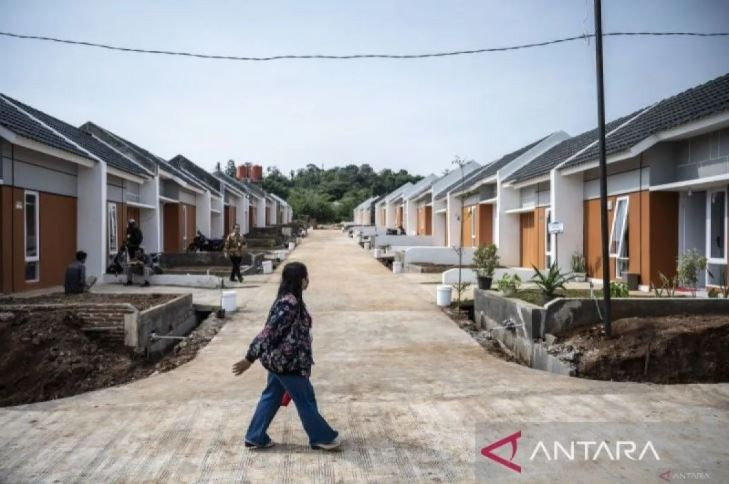
Jakarta (VNA) - Indonesia's Ministry of Housing and Settlement Areas has identified the housing sector as one of the main pillars supporting national economic growth because it has a large multiplier effect on the Indonesian economy, said Sri Haryati, the ministry's Director General of Urban Housing.
She noted that the construction of three million houses - designated as a National Strategic Project for 2025–2029 - represents a strategic effort to expand housing access and strengthen the national economy.
The ministry also highlighted that the relaxation of People's Business Credit (KUR) for micro, small, and medium enterprises (MSMEs) in the housing sector will widen access to financing for developers and boost sectoral growth.
The Housing Program Credit Scheme (KPP), which governs lending terms such as eligibility, ceiling, tenor, and interest, is monitored periodically by multiple relevant agencies to ensure proper implementation.
This policy is anchored in a presidential regulation on the national medium-term development plan (2025–2029), which is expected to generate direct benefits across 110 economic sectors and indirect effects on 75 others.
Earlier, Indonesian Finance Minister Purbaya Yudhi Sadewa projected that Indonesia's economic growth could reach 5.6–5.7% if the housing programmes achieve their targets.
He emphasised that the impact is very significant as housing involves construction, cement, and other materials. It is considered an investment, so growth spreads across all sectors.
He voiced optimism that the housing initiatives launched by Minister of Housing and Settlement Areas Maruarar Sirait would succeed in boosting the economy and restoring momentum after a period of slowdown./.