Tokyo (VNA) – Japanese media have highlighted prospects for stronger Vietnam-Japan ties ahead of General Secretary of the Communist Party of Vietnam Central Committee and President To Lam’s official visit to Japan from November 8-11, with new cooperation agreements expected in strategic areas including nuclear energy, artificial intelligence (AI) and high-quality human resource development.
The cooperation initiatives under preparation are expected to contribute to deepening the Comprehensive Strategic Partnership for Peace and Prosperity in Asia and the World between the two countries, they said.
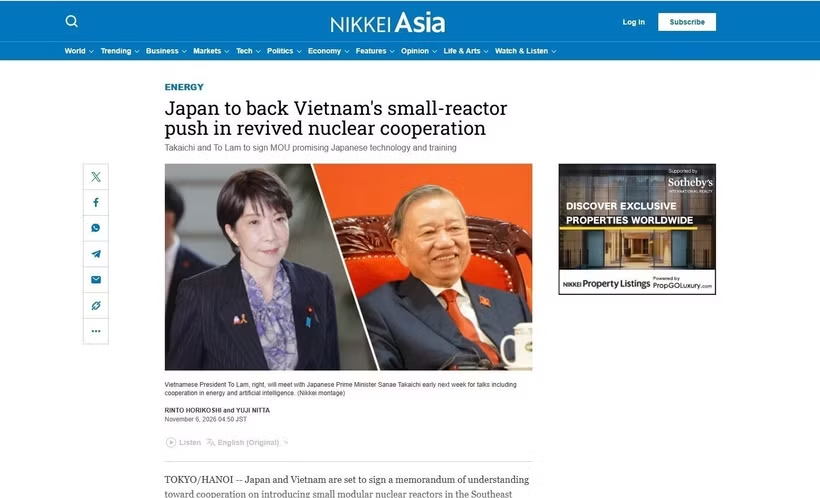
Nikkei Asia reported that Japanese Prime Minister Takaichi Sanae and General Secretary and President Lam are expected to discuss a plan to boost new-generation nuclear energy cooperation at their talks slated for November 9.
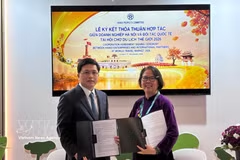
The two countries are set to sign a memorandum of understanding (MoU) on cooperation to introduce small modular reactor (SMR) technology in Vietnam from 2040. Japan will help with technology transfer and human resource training to help Vietnam access advanced nuclear power technologies, the Japanese daily said.
Nikkei Asia noted that Vietnam is currently the only country in the region to have a bilateral nuclear energy cooperation agreement with Japan, providing a legal basis for the supply of related equipment and materials. The planned SMR cooperation could also pave the way for Japan to resume its involvement in Vietnam's nuclear power development programme, supporting the Southeast Asian country's long-term energy security and sustainable development.
The two countries are also expected to sign a loan agreement for a high-efficiency combined-cycle gas turbine power plant in southern Vietnam, which will use both gas and steam turbines to improve power generation efficiency and meet rising energy demand.
A memorandum of understanding on AI research and development is expected to be signed, with Japan supporting Vietnam’s initiative to train 100 doctoral-level AI experts, Nikkei Asia reported.
These areas of cooperation reflect the two countries' focus on promoting collaboration in strategic technologies, alongside high-quality human resource development and stronger research and innovation capabilities.
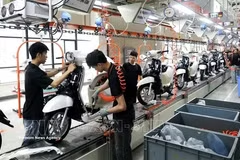
Meanwhile, NetIB-News highlighted Vietnam’s economic and technological progress and prospects for expanded bilateral cooperation, citing economic growth of over 8% in 2025 and strong performance in the first half of 2026. It said that bilateral trade exceeded 50 billion USD last year, creating a solid foundation for the two countries to expand cooperation.
The article highlighted Vietnam's shift towards a development model driven by science and technology, innovation and digital transformation as a new basis for cooperation with Japan.
It noted that bilateral ties are expanding beyond trade, investment and industrial production into energy, critical minerals, semiconductors, AI, green transition and human resources development. Japan's strengths in technology, capital and management experience complement Vietnam's dynamic market, young workforce and international economic integration, creating opportunities for higher-value cooperation.
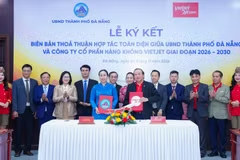
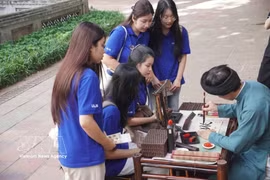
Cooperation is also deepening across government agencies, localities, businesses, universities and communities, the article said, adding that more than 680,000 Vietnamese people living in Japan serve as an important bridge for exchanges and mutual understanding between the two nations.
Looking ahead, the article underscored the importance of high-level exchanges in 2026, particularly PM Takaichi Sanae's visit to Vietnam in May, in strengthening political trust and expanding cooperation.
It said the top Vietnamese leader’s upcoming visit will mark a new milestone in translating the Comprehensive Strategic Partnership for Peace and Prosperity in Asia and the World into practical cooperation programmes, towards lifting the bilateral ties to a new level./.