Dak Lak (VNA) – CARE International in Vietnam, the Community Development Centre (CDC) and the Vietnam Coffee-Cocoa Association (VICOFA) launched the SustainCoffee project funded by the European Union (EU) in the Central Highlands province of Dak Lak on November 6.
Running from December 2025 to May 2029 in Dak Lak and the northwestern province of Son La, the project aims to directly support more than 400 micro, small and medium-sized enterprises (MSMEs) and coffee cooperatives.
It seeks to strengthen the adoption of environmental, social and governance (ESG) standards, improve traceability and promote responsible business practices. The initiative is expected to benefit around 1.4 million farmers and workers across the supply chain.
SustainCoffee comes as Vietnam's coffee industry faces mounting pressure to meet stringent requirements of international markets, particularly those of the EU.
To address this challenge, the project will provide tailored assessment tools, technical training, expert consultancy and financial support for businesses and cooperatives. It will also work with industry associations and local authorities to expand ESG advisory services, facilitate access to green finance and strengthen public-private policy dialogue.
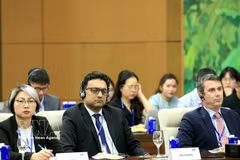
As part of the launch ceremony, organisers presented findings from a study on ESG practices in Vietnam's coffee industry and held a discussion entitled “From ESG commitments to practices in the coffee industry”. Experts and delegates discussed solutions to integrate sustainability standards into production while balancing environmental responsibility, social inclusion and the competitiveness of local businesses.
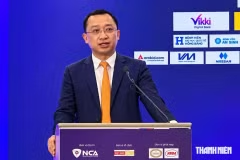
Le Kim Dung, Country Director of CARE International in Vietnam, said the transition towards sustainability is not merely about meeting new market requirements but also offers opportunities to enhance competitiveness and ensure fairer benefit-sharing across the coffee value chain. The transition towards a sustainable coffee industry must ensure both economic efficiency and social inclusion.
Many small businesses and cooperatives have proactively improved their production practices but still lack the tools and resources to demonstrate their progress. SustainCoffee will develop three ESG self-assessment toolkits tailored to different groups across the coffee value chain, translating requirements into practical solutions and ensuring that smallholder farmers, women and workers are not left behind.
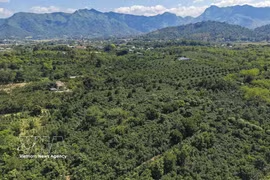
Nguyen Thien Van, Vice Chairman of the Dak Lak People's Committee, said the province, known as Vietnam's coffee capital, has more than 217,000 hectares of coffee plantations, with annual output exceeding 580,000 tonnes. The sector provides direct employment for around 300,000 workers and indirect jobs for nearly 200,000 others.
Coffee products under the Buon Ma Thuot brand have reached more than 80 countries and territories. However, production remains fragmented, with nearly 90% of the cultivation area managed by household farms of just 1-2 hectares each. Climate change, drought and ageing coffee trees also pose major challenges.
The SustainCoffee project will develop ESG self-assessment tools covering the entire value chain, helping stakeholders proactively comply with the EU Deforestation Regulation (EUDR), the Corporate Sustainability Due Diligence Directive (CSDDD) and international certification schemes such as Rainforest Alliance, 4C and Fairtrade, Van said.
He affirmed that the provincial People's Committee would direct relevant departments and agencies to coordinate closely and create favourable conditions for the project implementation.
Gonzalo Serrano de la Rosa, Deputy Head of Cooperation at the EU Delegation to Vietnam, said sustainable trade should not only create long-term development opportunities for businesses and communities but also protect the environment and respect human rights.
The EU support for SustainCoffee reflects the objectives of the Global Gateway initiative in promoting sustainable economic partnerships. The EU hopes to accompany Vietnamese coffee producers in enhancing their competitiveness, improving transparency and participating more effectively in global value chains.
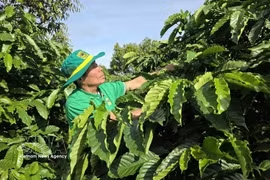
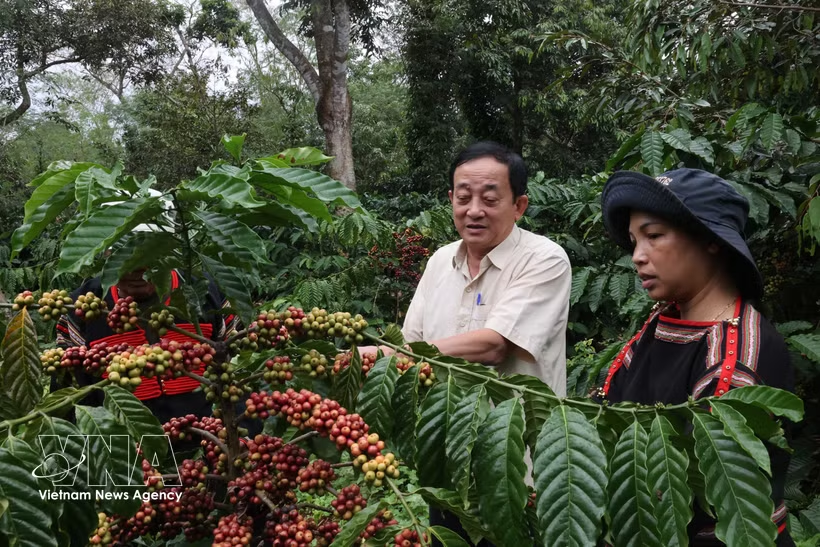
During the programme, delegates also visited Aeroco Coffee Farm and Ea Tu Fair Trade Agricultural Services Cooperative to learn about local coffee production and business models./.