Hanoi (VNA) - As traditional advantages such as cheap labour lose their edge, Resolution No. 57-NQ/TW of the Political Bureau is steering Vietnam’s small- and medium-sized enterprises (SMEs) towards innovation to overcome the limitations of traditional competitive advantages and secure a place in global value chains.
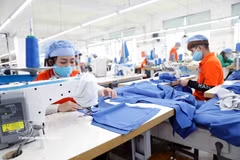
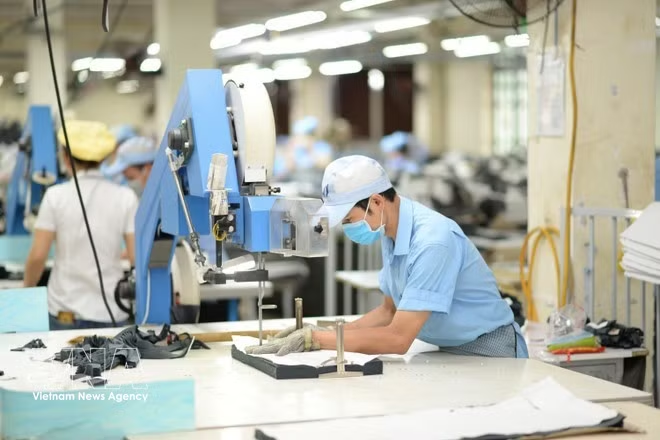
Experts said many domestic SMEs have operated for decades under the narrow model of contract manufacturing. Cheap labour, once a key advantage that helped them survive, has increasingly become a constraint. As regional economies accelerate technological adoption, continued reliance on labour-intensive production risks pushing businesses out of supply chains.
Innovation, however, is not exclusive to large technology corporations. For SMEs, it can mean flexibly restructuring business models and optimising existing processes, such as using warehouse management software to reduce excess materials or adding QR codes to product packaging to enable traceability.
Pham Van Viet, Chairman of the Board of Directors of Viet Thang Jean Co., Ltd. (VitaJean), said continued dependence on low labour costs will drive profit margins towards zero. The company has therefore invested in 3D design and laser-cutting technologies, reducing the time required for certain production stages from weeks to just hours. This has helped cut costs and meet the rapidly changing requirements of international orders.
SMEs’ greatest advantage lies not in financial strength but in their lean structures, which enable faster decision-making and strategic adjustments than large corporations. Digital technology further enhances this flexibility.
Rather than investing heavily in large, integrated production lines, many businesses are outsourcing supporting manufacturing processes and concentrating resources on research and development (R&D) and design. Cloud computing platforms and process automation are also helping SMEs manage risks in real time and control logistics costs more closely.
Nguyen Thi Lan Huong from Viet Phuc Group, said innovation among SMEs does not necessarily require expensive production lines. By using Internet of Things (IoT) sensors to precisely control irrigation and ensure transparent product traceability, businesses could meet European technical requirements without expanding cultivated land.
As markets shift from price-based competition towards adaptability and personalised customer experiences, SMEs face considerable challenges in moving beyond contract manufacturing. The main obstacles are not always financial constraints, but also shortages of technological skills and concerns about institutional risks when testing new approaches.
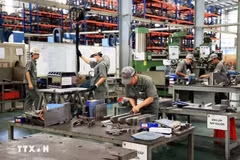
From the perspective of supporting industries, Do Phuoc Tong, Chairman of the Board of Members of Duy Khanh Mechanical Co., Ltd, said barriers to private-sector innovation lay not entirely in financial capacity but also in mechanisms for managing risks.
Businesses need meaningful tax deductions for R&D expenditure that does not yield commercial results, he noted.
Achieving the target set by Resolution No. 57-NQ/TW will require more than individual SME efforts. The economy needs a coordinated support ecosystem, including transparent tax incentives, flexible credit guarantee funds and a legal framework that accommodates technological risks. Such measures will provide a solid foundation for SMEs to abandon outdated approaches and strengthen their position in global value chains./.