UNESCO representative in Vietnam Christian Manhart (Photo: VNA)
Congratulating Vietnam on the success,Manhart noted that in the election 16 years ago in June 2006, Vietnam was votedto this body, very soon after the convention had entered into force.
This second time shows that Vietnam remainsone of the most active members of UNESCO that stays ready to take upresponsibilities in the complex international context of today, he said.
Theachievement once again demonstrates the proactive role of the Government and people ofVietnam in activities preserving and promoting the values of intangibleheritage. It also affirms the leadership and advice Vietnam can provide toother countries around the world in the field of intangible heritagesafeguarding, the official stated.
With this success, Vietnam is assumingimportant roles in almost all UNESCO mechanisms.
“We hope and believe that Vietnam willassume successfully the role of a Committee member to important issues for thesafeguarding of living heritage around the world and the future of theConvention. These include notably the global reflection on the listingmechanisms of the Convention, the Plan for the use of the resources of theIntangible Cultural Heritage Fund and the accreditation of non-governmentalorganisations,” the official said.
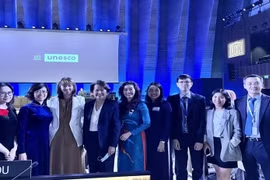
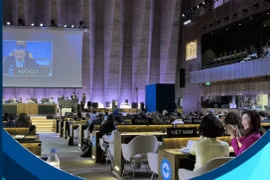
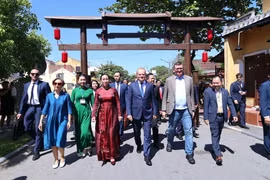
 Vietnam has been elected as a member of the Intergovernmental Committee of the Convention for the Safeguarding of Intangible Cultural Heritage for the 2022 – 2026 term with the largest number of votes among elected member states. (Photo: VNA) Elaborating on what UNESCO has done so far tohelp Vietnam in preserving and promoting the values of the intangible culturalheritage, including the removal of the intangible cultural heritage from theurgent safeguarding list, the representative said that the organisation has hadvarious cooperation projects and activities in Vietnam to support the countryand local efforts in safeguarding and promotion its rich and diverse culturalpractices.
The UNESCO’s past cooperation mainlyfocused on capacity building, mobilising international expertise and goodpractices in heritage preservation, raising awareness and promoting a community-centred and rights-based approach in preserving intangible cultural heritage,collaborative research, advocating for heritage education, for the customaryrights of local people, especially those living in protected areas, promotingthe traditional crafts and tourism for better local benefits and sustainabledevelopment, he said.
He held that highlights of the cooperationachievements could be noticed in the success and good practices of Vietnam ininstitutionalising and encouraging robust heritage education programmes, both inschools and communities, the growing intangible cultural heritage inventoriesand the strong attention of both the public and the government in investing andreinvesting in the preservation and promotion of intangible cultural heritage.
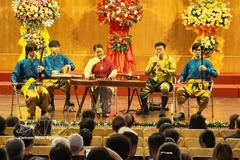
A significant success was the revival ofthe Xoan singing in Phu Tho province which resulted in theIntergovernmental Committee’s decision to remove this element from the UrgentSafeguarding Category and transfer to the Representative List in 2017, henoted, stressing that this success set an unprecedented practice andcontributed to create the new procedure of this Convention for an element to betransferred from the Urgent Safeguarding List to the Representative List./.
 Vietnam has been elected as a member of the Intergovernmental Committee of the Convention for the Safeguarding of Intangible Cultural Heritage for the 2022 – 2026 term with the largest number of votes among elected member states. (Photo: VNA)
The UNESCO’s past cooperation mainlyfocused on capacity building, mobilising international expertise and goodpractices in heritage preservation, raising awareness and promoting a community-centred and rights-based approach in preserving intangible cultural heritage,collaborative research, advocating for heritage education, for the customaryrights of local people, especially those living in protected areas, promotingthe traditional crafts and tourism for better local benefits and sustainabledevelopment, he said.
He held that highlights of the cooperationachievements could be noticed in the success and good practices of Vietnam ininstitutionalising and encouraging robust heritage education programmes, both inschools and communities, the growing intangible cultural heritage inventoriesand the strong attention of both the public and the government in investing andreinvesting in the preservation and promotion of intangible cultural heritage.
A significant success was the revival ofthe Xoan singing in Phu Tho province which resulted in theIntergovernmental Committee’s decision to remove this element from the UrgentSafeguarding Category and transfer to the Representative List in 2017, henoted, stressing that this success set an unprecedented practice andcontributed to create the new procedure of this Convention for an element to betransferred from the Urgent Safeguarding List to the Representative List./.
VNA