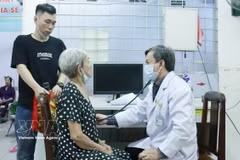
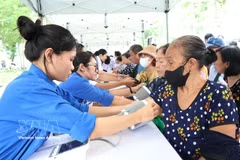
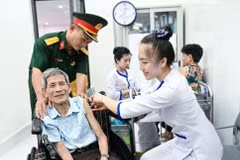
Vietnam has urged the Global Alliancefor Vaccines and Immunisation (GAVI) to continue support for thecountry’s Expanded Programme of Immunisation (EPI).
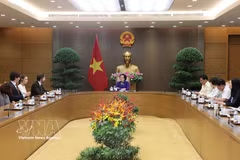
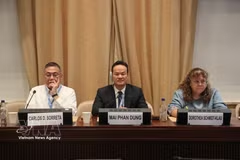
Deputy Health Minister Trinh Quan Huan made the request at a GAVIExecutive Board meeting which opened in Hanoi on November 17.
Huan, one of the GAVI Executive Board’s 21 members, said the EPI inVietnam as well as other developing countries is facing difficultiessuch as the reoccurrence of several diseases like poliomyelitis andmeasles, a lack of capital and sponsorship, and side-effects aftervaccination.
Despite its attention and efforts, the Vietnamese government has only met 60 percent of the EPI’s budget.
The Deputy Minister also asked GAVI to continue helping Vietnamimplement injections of new vaccines such as Hib, parotitis, rubellaand rota, as well as following up on post-immunisation responses andimproving the capacity of health workers.
The two-day meeting, which is held in Vietnam for the first time, willdiscuss GAVI’s strategic sponsorship plans for different countries.Vietnam’s report on the use and sponsoring strategy for GAVI vaccine athome and abroad has drawn special attention from GAVI’s Executive Boardand delegates.
Over the past years, GAVI has been one of the major sponsors of EPI inVietnam , providing 72 million USD during the 2002-2010 period.
With the GAVI assistance, Vietnam’s EPI has recorded impressiveachievements, Huan said, adding that this is the reason the country wasselected to host the GAVI Executive Board meeting and the upcomingfourth GAVI Conference./.