Hanoi (VNA) – The Ministry of Industry and Trade will strengthen its early-warning system and provide greater support for Vietnamese businesses facing trade remedy investigations, while making effective use of measures to protect domestic production, an official has said.
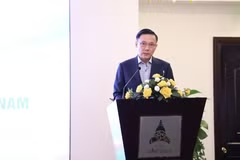
Speaking at the ministry's regular press conference for the second quarter of 2026 on July 7, Chu Thang Trung, Deputy Director of the Trade Remedies Authority of Vietnam, said Vietnam’s exports continue to face a high risk of trade remedy investigations as global protectionist trends intensify.
Trung said investigations into anti-dumping, countervailing duties and the circumvention of trade remedies are increasing, while major economies are also adopting new policy tools to protect their domestic industries.
Many markets are using instruments such as trade remedy investigations and investigations under Sections 301 and 232, reflecting increasingly strict requirements for imported goods.
The risk to Vietnamese exports stems mainly from stronger protectionist policies in major economies and the rapid growth of Vietnam's exports, which can increase the likelihood of investigations against an increasingly open economy, he said.
Global supply chain restructuring is also prompting importing markets to pay closer attention to product origin, sources of raw materials, domestic value-added content and supply chain transparency.
The Trade Remedies Authority of Vietnam will improve its early-warning system by monitoring export trends for individual products and markets and providing businesses with timely information so they can prepare for potential investigations.
It will also step up training on data and cost management and legal compliance, while working with industry associations and local authorities to help businesses comply with origin rules, improve supply chain transparency and prevent fraud and illegal transshipment.
The authority will continue supporting businesses throughout investigations, from responding to questionnaires and preparing documents to participating in verification processes and working with foreign investigating agencies, Trung said.
The move aims to protect the legitimate rights and interests of Vietnamese businesses while ensuring investigations comply with international rules and commitments.
Five-year extension for Thai sugar measures
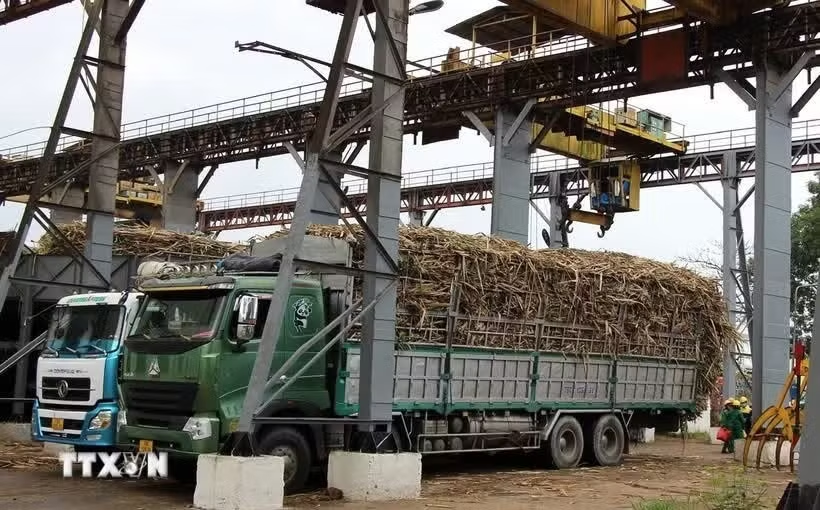
Regarding anti-dumping and countervailing measures on sugar imported from Thailand, Trung said the Ministry of Industry and Trade first imposed the measures on June 15, 2021. After five years, a review was required to assess their effectiveness and consider an extension.
The review found that the measures had helped maintain fair competition between domestic sugar and imports from Thailand.
Sugar imports from Thailand fell from about 924,000 tonnes before the measures were imposed to about 82,000 tonnes in the 2022-2023 crop year and 274,000 tonnes in 2024-2025.
Meanwhile, Vietnam's domestic sugar industry has recovered significantly. Sugar output in 2024-2025 was about 1.7 times that of 2020-2021, while revenue increased 1.63 times and profits rose 2.49 times.
Sugarcane-growing areas expanded from about 128,000ha to 192,000ha, while cane output rose from 6.74 million tonnes to 12.43 million tonnes. Productivity also increased from 60.7 tonnes per hectare to 73.3 tonnes per hectare, while the number of sugarcane-growing households rose from about 151,000 to 225,000.
Trung said the results showed that trade remedy measures had helped improve the competitiveness of the domestic sugar industry, restore raw material areas and improve farmers' incomes and livelihoods.
However, authorities said ending the measures now could lead to a renewed risk of dumping and subsidization by Thai producers, while the domestic sugar industry remains vulnerable to import competition.
Based on the review, the ministry issued Decision No. 1309 extending the anti-dumping and countervailing measures on Thai sugar for another five years from June 15, 2026./.