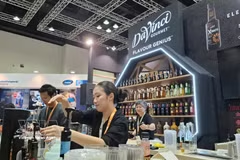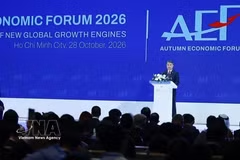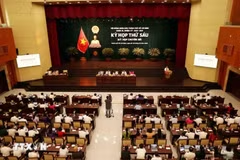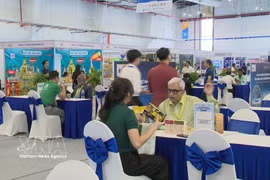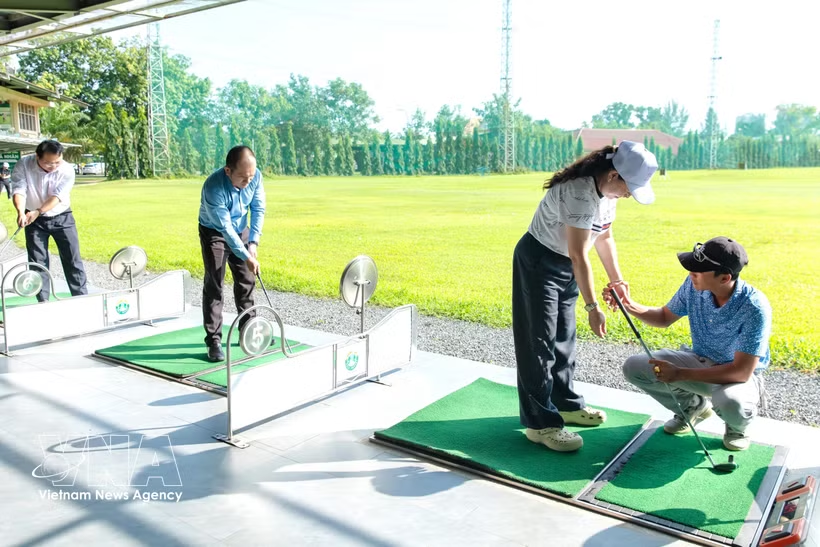
Hanoi (VNA) – Vietnam has strong potential to develop meetings, incentives, conferences and exhibitions (MICE) tourism, thanks to its diverse destinations, competitive costs, quality accommodation and experience in hosting large-scale events.
However, the country needs more targeted promotion, better conference infrastructure and appropriate support policies to attract more international groups and strengthen its competitiveness.
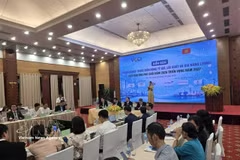
Pham Van Bay, Deputy Director of Vietravel Hanoi Branch, said the recovery of international tourism, together with improvements in event organisation and accommodation infrastructure, is creating favourable conditions for the development of Vietnam's MICE sector.
In the first nine months of 2026, Vietnam welcomed nearly 17.7 million international visitors, up 14.5% year on year. The tourism recovery has opened up opportunities to attract more corporate groups, conferences, seminars and incentive travel programmes.
Demand for MICE services is also becoming more diverse, ranging from conferences combined with sightseeing to training programmes, team-building activities, partner appreciation events and brand promotion.
Vietnam's advantage lies in its ability to combine business activities, conferences, leisure and cultural experiences in a single itinerary. Its growing network of international air connections, high-end hotels and resorts, and diverse cuisine also adds to its appeal. Competitive organisational costs are another factor encouraging companies to choose Vietnam for programmes involving employees, customers and business partners.
Nguyen Tien Dat, Vice Chairman of the Hanoi Tourism Association and Director of AZA Travel, said many international corporations have chosen Vietnam to host MICE programmes, including large-scale incentive trips. However, to ensure sustainable growth, the country needs to expand beyond incentive tourism to attract more conferences, exhibitions and business networking events.
Vietnam's capacity to serve large international groups was demonstrated during the United Nations Day of Vesak 2025, when Vietravel provided logistical services for more than 2,600 delegates from 85 countries and territories. The company arranged accommodation at 15 four- and five-star hotels and mobilised more than 200 tour guides to serve international delegations.
In 2026, Vietravel established the Vietnam MICE Centre and Northern Vietnam MICE Centre to specialise in organising this type of tourism.
Despite these advantages, Vietnam faces strong competition from established MICE destinations such as Singapore, Thailand and Malaysia.
According to Dat, Vietnam's international promotion and customer outreach remains insufficiently tailored to the MICE market. Besides showcasing tourism resources, the country needs to demonstrate its capacity to organise large-scale conferences, exhibitions and corporate events to convince international clients to choose Vietnam.
Event infrastructure also varies considerably between localities. In addition, entry procedures, airport waiting times and transport arrangements for large groups can affect visitors' experiences. Financial incentives and support for sightseeing tickets, cultural performances and other accompanying services have yet to offer a clear advantage over some regional competitors.
He said stronger support from local authorities and the Government is needed to help businesses improve their competitiveness. He cited the Republic of Korea as an example, where specialised agencies support MICE groups and incentive programmes are available depending on group size.
To strengthen its position, Vietnam needs a national MICE development strategy identifying priority markets, target event categories and the strengths of individual destinations.
Bay said attracting major international conferences and exhibitions often requires several years of preparation and bidding efforts. Vietnam should therefore consider establishing a specialised convention bureau to promote destinations, prepare bidding documents and connect travel companies with airlines, hotels and convention centres.
Appropriate support policies for large international MICE groups should also be considered to help businesses develop products, calculate costs and attract clients.
Regarding infrastructure and tourism products, Vietnam needs to develop modern convention and exhibition centres with suitable capacity and seamless connections to accommodation, transport, airports and sightseeing facilities.
The country could also expand MICE products linked to trade fairs, international exhibitions, business networking and cultural industry events.
A unified MICE database should be established to monitor visitor markets, group sizes, length of stay, spending and event categories. Such information will help identify priority markets and assess the effectiveness of promotional activities.
Training should also focus on event management, foreign languages, technology applications and problem-solving skills.
Developing MICE tourism requires more than attracting international visitors. It also depends on professional event management and an integrated service network. Targeted promotion, effective support policies and internationally competitive infrastructure will help Vietnam make better use of its existing advantages and strengthen its position in the regional MICE market./.