Airbus, Indonesia partner to produce bio-based sustainable aviation fuel

Indonesia can supply as much as 500 million tonnes of biomass annually - five times Airbus’ needs.

Jakarta (VNA) – Airbus’s Singapore branch is teaming up with researchers from Indonesia’s Bogor Agricultural University (IPB) in West Java to develop sustainable aviation fuel (SAF) from biomass. The project aims to produce up to 100 million tonnes of SAF annually using organic feedstocks such as crop residues, wood, and plant waste.

Current SAF production largely relies on used cooking oil, palm oil waste, and low-grade vegetable oils - sources with limited supply due to competition with food.

According to Meika Syahbana Rusli, Director of IPB’s Surfactant and Bioenergy Research Centre (SBRC), Indonesia can supply as much as 500 million tonnes of biomass annually - five times Airbus’ needs. Most of the supply will come from empty palm fruit bunches in Sumatra and Kalimantan, and large volumes of rice straw in Java. However, challenges remain in collection due to weak infrastructure, the absence of a clear legal framework, and limited large-scale processing technology.

Indonesia’s biomass output and consumption, particularly wood pellets and woodchips, are rising. While this trend presents new business opportunities, it also raises concerns over the growing risk of deforestation. Environmental watchdog Auriga Nusantara reports nearly 10,000 hectares of forest were cleared between 2020 and 2024 for biomass production, threatening habitats of endangered species such as the Sumatran and Bornean orangutans.

State-owned Kilang Pertamina Internasional (KPI) began producing SAF from used cooking oil at its Cilacap refinery in July 2025. The world’s largest crude palm oil producer, Indonesia has also been testing the conversion of CPO and waste cooking oil into bioavtur since 2021, with the first trial flight planned for August if the fuel meets standards.

The Ministry of Energy targets a 1% vegetable oil blend in biofuel by 2027 to reduce oil imports and cut carbon emissions. The International Air Transport Association (IATA) sees SAF as key to achieving net-zero emissions in aviation and has urged governments to support scaling up production./.

VNA

See more

Illustrative Image (Photo: Bangkokpost)

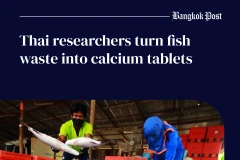
Thailand extracts bio-calcium from fish waste

Researchers at Rajamangala University of Technology, Thanyaburi (Thailand) developed a method to extract calcium from discarded parts of blackchin tilapia, including heads, bones, scales and tails - materials typically treated as waste and a source of pollution.

Philippines receives first Russian oil shipment in five years

Philippines receives first Russian oil shipment in five years

On March 24, Philippine President Ferdinand Marcos Jr. declared a national energy emergency through an executive order, allowing the government to fast-track fuel procurement, make advance payments for fuel contracts, and ensure the availability of fuel and other essential goods amid rising prices.

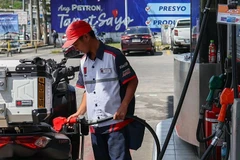
Philippines declares energy emergency over Middle East tension (Photo: BBC)

Philippines declares energy emergency

The Philippine Government on March 24 announced an "imminent danger of a critically low energy supply" as tensions in the Middle East threaten fuel supplies and the stability of the country’s power system.

Delegates at the event (Photo: cambodia.un.org)

Cambodia accelerates access to climate-resilient water services

Funded by the UN Joint Sustainable Development Goals (SDG) Fund, the Water Infrastructure & Smart Energy Joint Programme (WISE JP) introduces a pioneering financial model that combines commercial and low-interest capital - a revolving blended‑finance facility - dedicated to ensuring climate‑smart water systems.

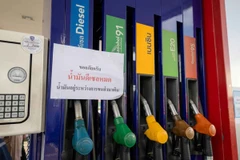
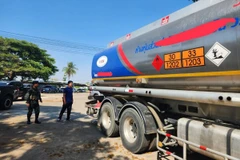
Officials inspect the 10-wheel tanker found smuggling fuel to Myanmar in Mae Sot border district on Sunday. (Photo:bangkokpost.com)

Thailand seizes 20,000 litres of diesel bound for Myanmar

Authorities of Thailand's Tak province have ordered intensified patrols and stricter inspections to prevent fuel stockpiling and illegal cross-border exports. They also called on local residents to report any suspicious signs related to fuel hoarding or smuggling.

Illustrative image (Photo: Internet)

Wildfires surge to 96 hotspots in Thailand

According to the provincial forest fire and haze prevention centre, satellite data from the Suomi NPP VIIRS system recorded the hotspots at 02:13. The fires were spread across multiple districts though firefighting teams have been working around the clock to contain the blazes.

In major cities such as Hanoi and Ho Chi Minh City, demand for pet-related services is surging. (Photo: VNA)

Vietnamese pet market attractive to RoK businesses

RoK pet food companies are increasingly targeting Vietnam as a key growth market, leveraging the country’s rapidly developing pet economy and rising demand for premium pet care products in Southeast Asia.

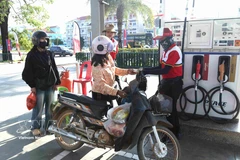
Residents refuel at a petrol station in Stung Treng province, north-eastern Cambodia. (Photo: VNA)

Cambodia introduces energy-saving measures amid Middle East conflict

Despite these challenges, the government noted that Cambodia’s fuel and electricity supply remains stable, supporting economic activities and public service delivery, based on assessments conducted with the Ministry of Mines and Energy, Electricité du Cambodge (EDC), and fuel import companies.