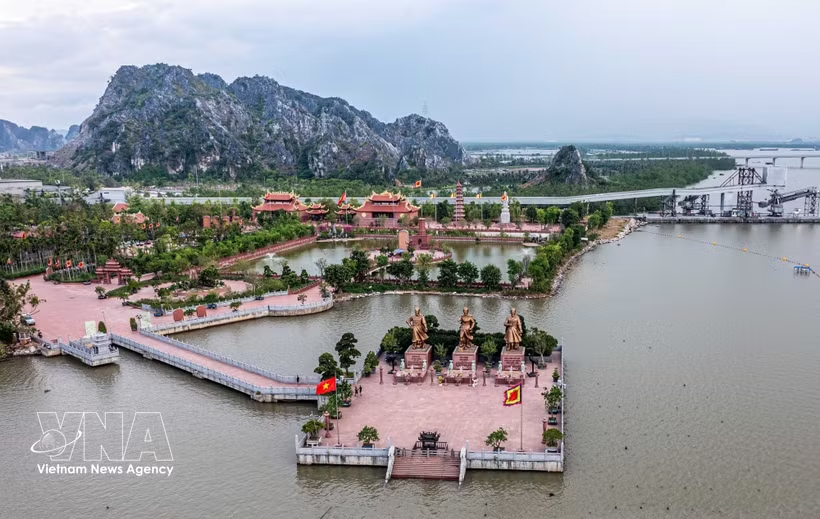
Hanoi (VNA) - Few places in Vietnam carry the weight of history like the Bach Dang River.
In the Trang Kenh-Bach Dang area, the river preserves the memory of three landmark naval victories in 938, 981 and 1288 that helped safeguard national independence and shaped Vietnam’s military tradition.
Led respectively by Ngo Quyen, King Le Dai Hanh and Tran Quoc Tuan, Vietnamese forces turned the river’s terrain and tides into formidable weapons, defeating powerful invading armies and leaving an enduring legacy of strategic ingenuity and national resilience.
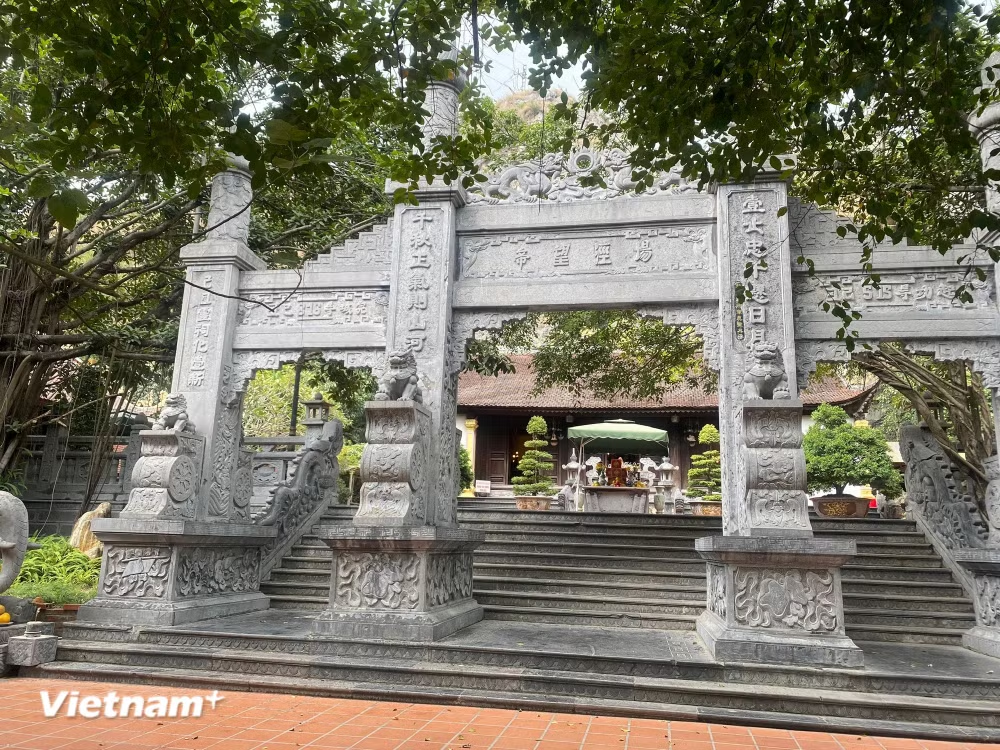
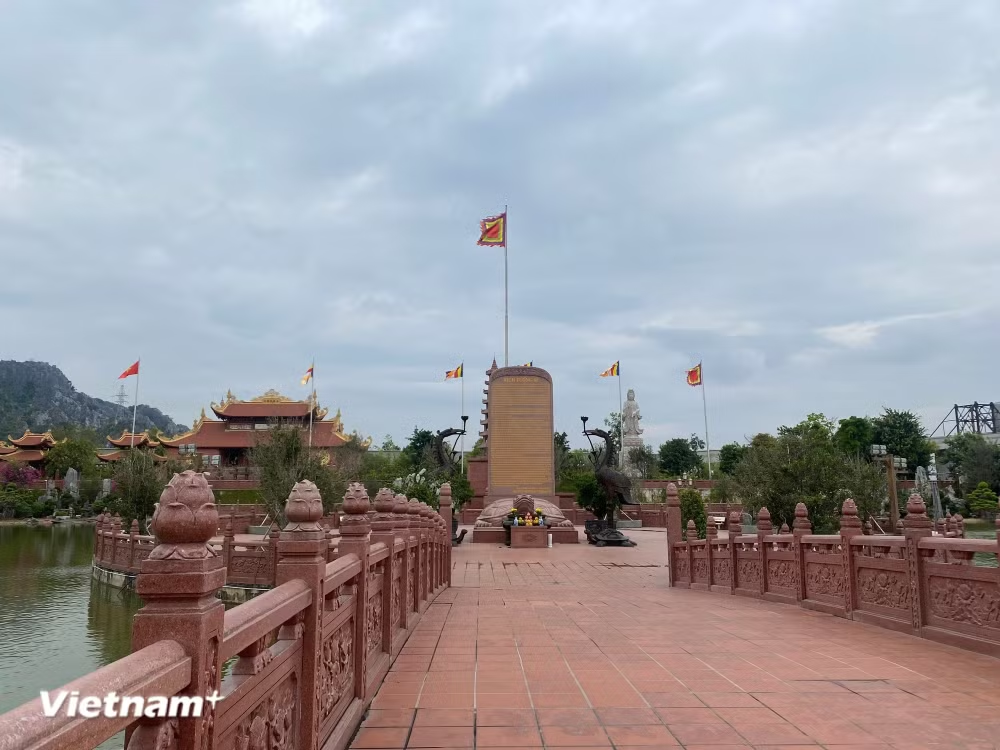
Today, the Bach Dang Giang (Bac Dang River) historical site in the northern city of Hai Phong brings that legacy to life through temples dedicated to national heroes, Victory Square, an exhibition house and a model of the ancient stake field.
Tran Dynasty scholar Pham Su Manh once wrote that the sacred spirit of the nation’s mountains and rivers converged at Bach Dang. Centuries later, his words still capture the unique character of this land, where nature, human ingenuity and the aspiration for independence have repeatedly come together.
A river of decisive battles
The first great victory came in 938, when Ngo Quyen confronted the Southern Han forces led by Hoang Thao.
Rather than engage the enemy fleet directly, Ngo Quyen turned the river into a battlefield. Sharpened wooden stakes were planted beneath the water, and the tides were incorporated into the battle plan.
At high tide, Vietnamese troops used small boats to lure the enemy deep into the river before retreating. As the water receded, the larger Southern Han warships became trapped by the submerged stakes. Vietnamese forces then attacked from both banks, destroying the fleet and killing its commander.
The victory ended more than a millennium of northern domination and opened a new era of independence and self-rule. In 939, Ngo Quyen became king and established his capital at Co Loa.
Bach Dang again became a decisive battlefield in 981, when King Le Dai Hanh led the resistance against the Song invasion, adapting Ngo Quyen’s stake-field tactic to defeat the invading forces and protect Dai Co Viet – a former name of Vietnam.
The river witnessed its most spectacular victory in 1288, when Tran Quoc Tuan led Dai Viet (Great Viet – another former name of Vietnam) forces against the Mongol-Yuan army during its third invasion.
By exploiting the river network, tides, and a strategically positioned stake field, the Tran army trapped the enemy fleet and launched a coordinated attack at the decisive moment. Large numbers of enemy troops were killed or captured, hundreds of vessels were destroyed, and the invasion was crushed.
Historians regard the 1288 victory as a masterpiece of strategic warfare. The campaign combined tactical withdrawal, attrition, and the exploitation of local terrain before delivering a decisive counterattack.
The success also reflected knowledge accumulated over generations. Researchers suggest that techniques for building river stake fields may have drawn partly on local fishing practices, demonstrating how indigenous knowledge could be transformed into military strategy.
Bringing history back to life
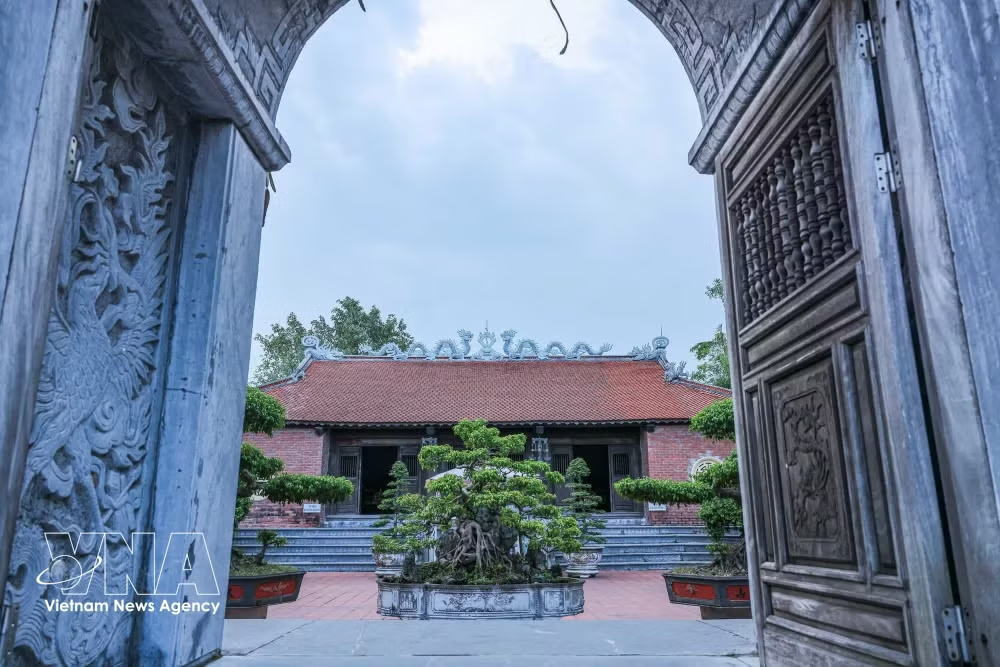
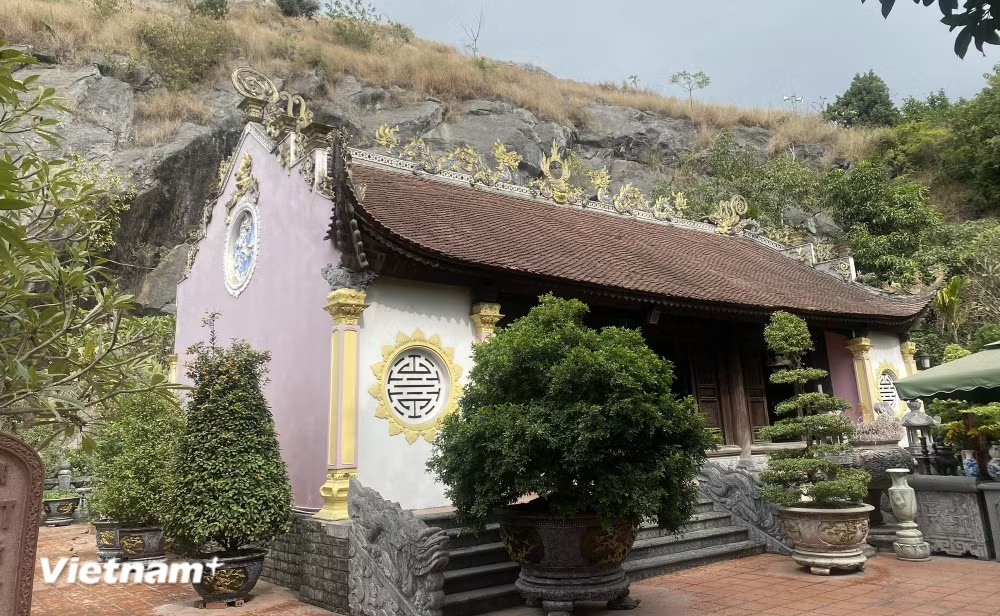
Today, Bach Dang Giang stands amid the mountains, rivers and coastal landscape of Trang Kenh. The complex includes temples dedicated to Ngo Quyen, King Le Dai Hanh and Tran Quoc Tuan, a pagoda, a temple dedicated to President Ho Chi Minh, an exhibition house and Victory Square.
Preserved wooden stakes and ancient dugout boats offer visitors a tangible connection with the past, while the battlefield model helps explain how the river and tides were turned into weapons.
For thousands of pupils and students visiting the site, particularly at weekends, history becomes more than a lesson in a textbook.
Local guide Do Van Giau said he hopes his stories can help younger generations understand that the nation’s history is not distant, but rooted in the very land where they stand.
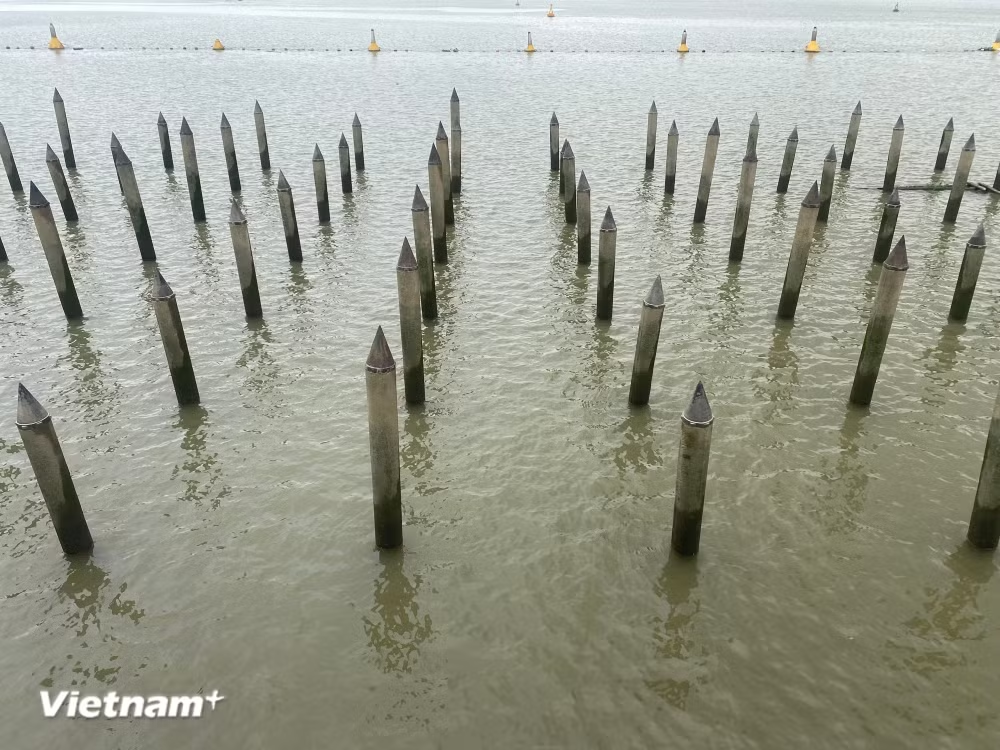
Today, the battle drums have fallen silent and the warships are gone. The Bach Dang River flows peacefully beneath the Trang Kenh mountains, while the ancient stake fields remain powerful symbols of intelligence, courage and determination.
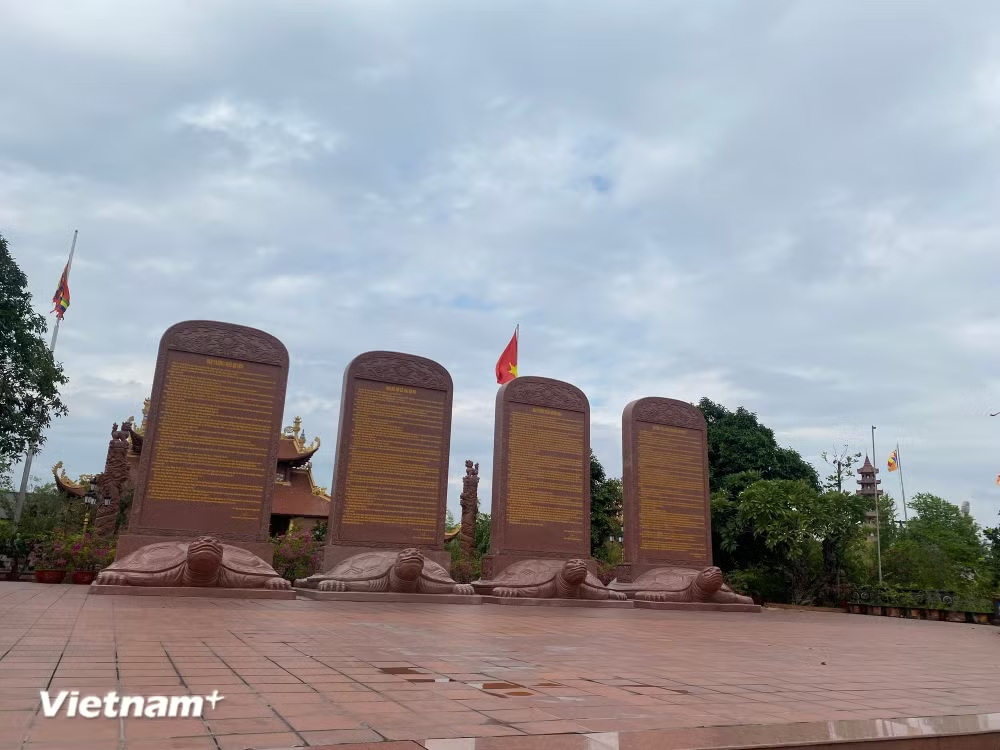
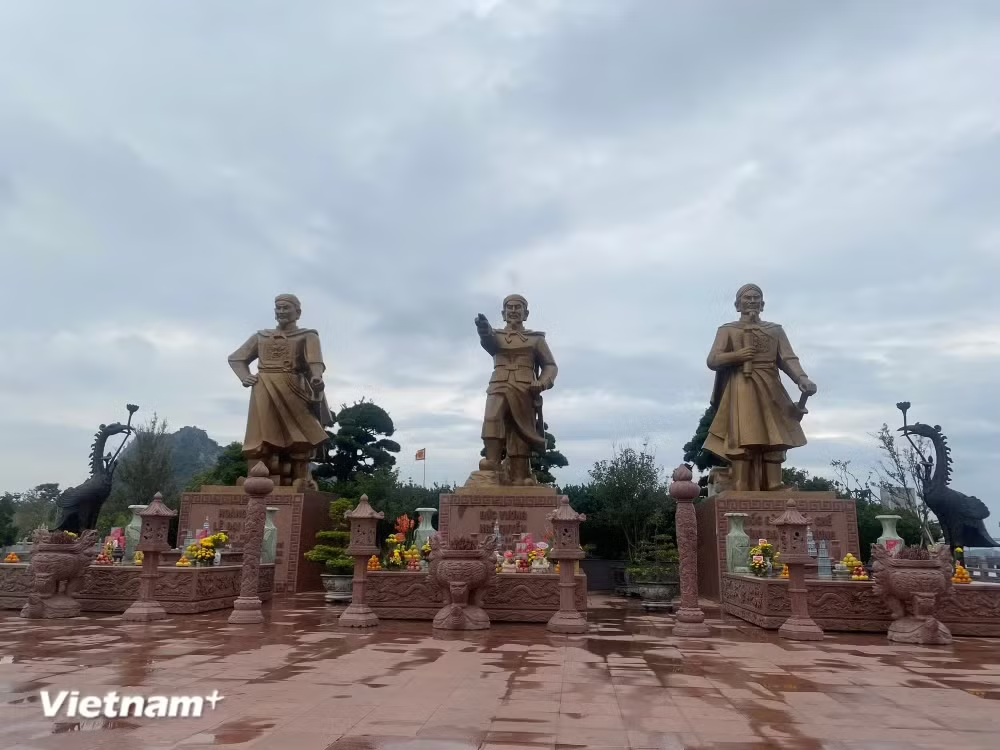
At Victory Square, statues of Ngo Quyen, King Le Dai Hanh and Tran Quoc Tuan face the river — a reminder that Bach Dang is more than a historic battlefield.
It is a place where national memory lives on, inspiring generations to cherish peace and independence and to uphold their responsibility to the nation. /.