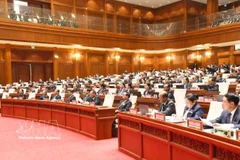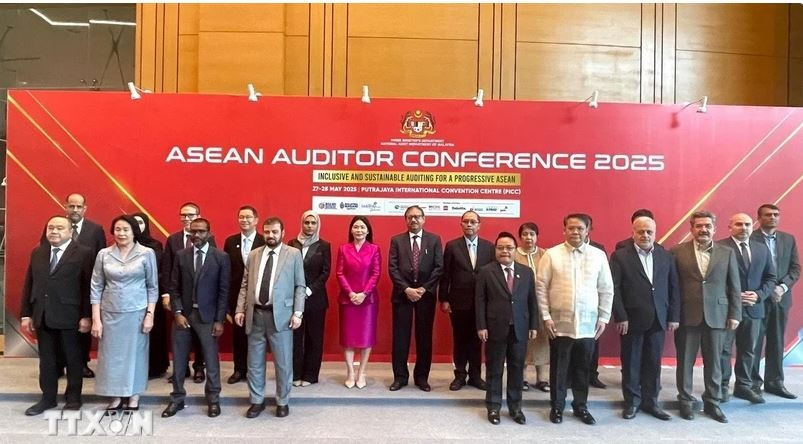
Kuala Lumpur (VNA) – The ASEAN Auditor Conference 2025 concluded on May 28 in Putrajaya, Malaysia, after two days of discussions.
Held under the theme “Inclusive and Sustainable Auditing for a Progressive ASEAN,” the conference served as a strategic platform for sharing knowledge and experiences aimed at strengthening audit frameworks in response to emerging challenges. Key topics included digital transformation in auditing, alignment with Environmental, Social, and Governance (ESG) reporting standards, capacity building, and enhanced cross-border collaboration.
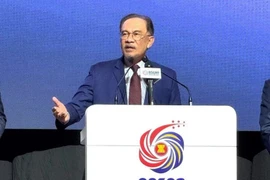
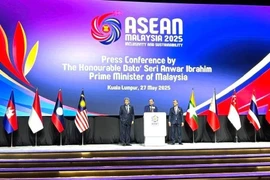
In his closing remarks, Malaysian Prime Minister Anwar Ibrahim stressed the need to elevate the quality of audit institutions across ASEAN to ensure reliable financial reporting for investors and to promote regional economic integration.
He emphasised that countries must uphold the highest standards of accountability, including empowering auditors and regulatory bodies to effectively fulfill their mandates. Anwar also called on auditors and oversight agencies to maintain the highest levels of transparency and independence, describing them as critical to reinforcing anti-corruption frameworks.
Reaffirming his support for audit institutions, the Malaysian PM pledged continued backing their efforts in realising the ASEAN Community Vision 2045, and noted that a strong auditing sector not only strengthens ASEAN’s status as a robust economic bloc but also solidifies its image as a symbol of peace, good governance, and accountability.
In his video message, ASEAN Secretary-General Dr. Kao Kim Hourn praised the auditing profession’s contributions to ASEAN’s efforts in fostering regional peace, stability, and prosperity. He called for greater regional and cross-sectoral collaboration to build an inclusive and united audit profession and to enhance its collective impact in achieving the newly adopted ASEAN Community Vision 2045 and related strategic plans.
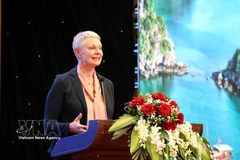
Earlier, Malaysia’s Auditor-General Seri Wan Suraya Wan Mohd Radzi highlighted the importance of adaptability, cooperation, and shared principles of transparency, accountability, and inclusiveness amid ongoing global trade realignments. She called for closer collaboration between auditors and policymakers to build public trust and reinforce institutional transparency.
A delegation from the State Audit Office of Vietnam (SAV), led by Deputy Auditor General Ha Thi My Dung, made active technical contributions during the conference.
The Vietnamese delegation also held a working session with representatives from the United Arab Emirates (UAE)’s Accountability Authority during which both sides acknowledged the functional similarities between their respective supreme audit institutions (SAIs) and agreed to organise exchange visits to share expertise in areas of mutual interest. A Memorandum of Understanding is expected to be signed, laying the foundation for sustainable bilateral cooperation and expanded engagement in regional and international audit forums.
The conference drew over 2,000 participants, including representatives from ASEAN SAIs, the Asian Organisation of Supreme Audit Institutions (ASOSAI), international professional bodies, government regulators, and the private sector. Discussions focused on strengthening public sector audits, the role of digital auditing in enhancing governance, promoting sustainability, increasing transparency in internal audits, developing future human resources, and integrating artificial intelligence into auditing practices./.
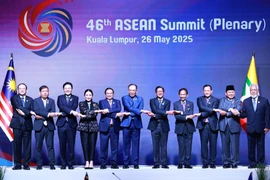
ASEAN vows to uphold peace, freedom of navigation in East Sea
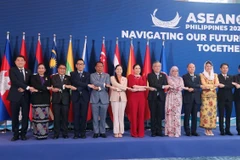
ASEAN leaders have reasserted their unwavering commitment to maintaining peace, stability, and freedom of navigation and overflight in the East Sea, amid growing concerns over rising maritime tensions in the region.