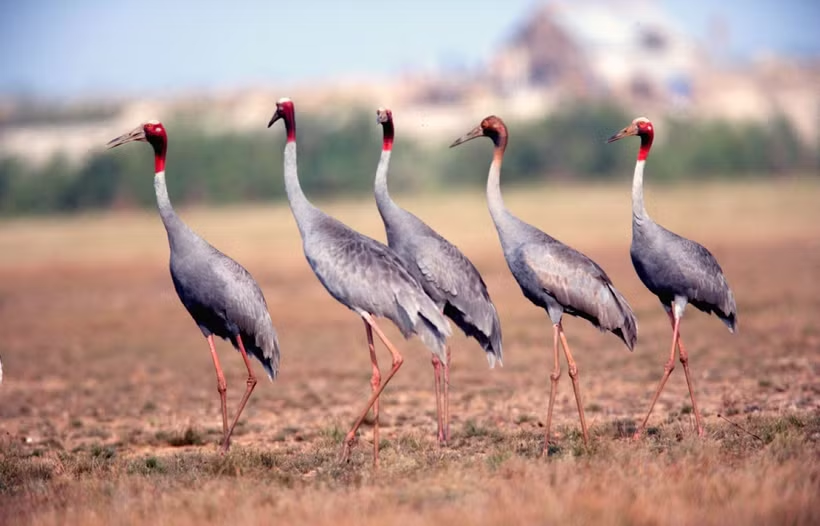
Dong Thap (VNA) – The Mekong Delta province of Dong Thap has been actively implementing a project on conserving and developing Eastern sarus cranes at the Tram Chim National Park during 2022–2032, recording encouraging initial results in caring for the first group of cranes while preparing to receive a second group this year.
Nguyen Van Lam, Director of the Tram Chim National Park, said the park received six six-month-old cranes from Thailand in April 2025 for nurturing under a strict technical process. After more than one year of monitoring, five cranes remains healthy and have adapted well to the climate and soil conditions of the Dong Thap Muoi (Plain of Reeds) wetlands.
By November 2025, the birds had reached weights ranging from 5.4kg to 7.2kg each and were paired for breeding from early 2026.
To support conservation efforts, the national park has invested in a comprehensive system of breeding enclosures, quarantine areas, reproductive research facilities, wastewater treatment systems and surveillance cameras. A nine-member crane management and care team has also been established, including two veterinarians on 24/7 duty, working closely with international experts in caring for the flock.
In addition to industrial feed, the cranes are provided with various natural food sources such as small fish, crickets, mealworms, young frogs and wild water chestnuts collected from the Tram Chim ecosystem in order to restore their natural wild instincts.
Veterinary work and disease prevention measures are implemented strictly through avian influenza vaccination, periodic epidemiological monitoring and thorough disinfection of breeding areas.
Building on the initial results, the park plans to receive another six sarus cranes in 2026, including two males and four females weighing between 5.3kg and 6.7kg each. Procedures relating to CITES export – import permits, quarantine and transportation plans have largely been completed, while the park is coordinating with Thai partners to bring the birds to Vietnam in the near future.
Under the long-term breeding management roadmap, cranes from both groups will be placed in pairing enclosures once they reach one year of age so they can choose mates naturally. It is expected that during 2027–2028, the pairs will reach sexual maturity and lay their first eggs at Tram Chim, paving the way for a sustainable crane population with clear pedigree records to prevent inbreeding.
According to the park’s management board, restoring and maintaining a stable breeding population of sarus cranes – a spiritual and ecological symbol of Dong Thap Muoi – is a long-term and challenging journey but one full of promise.
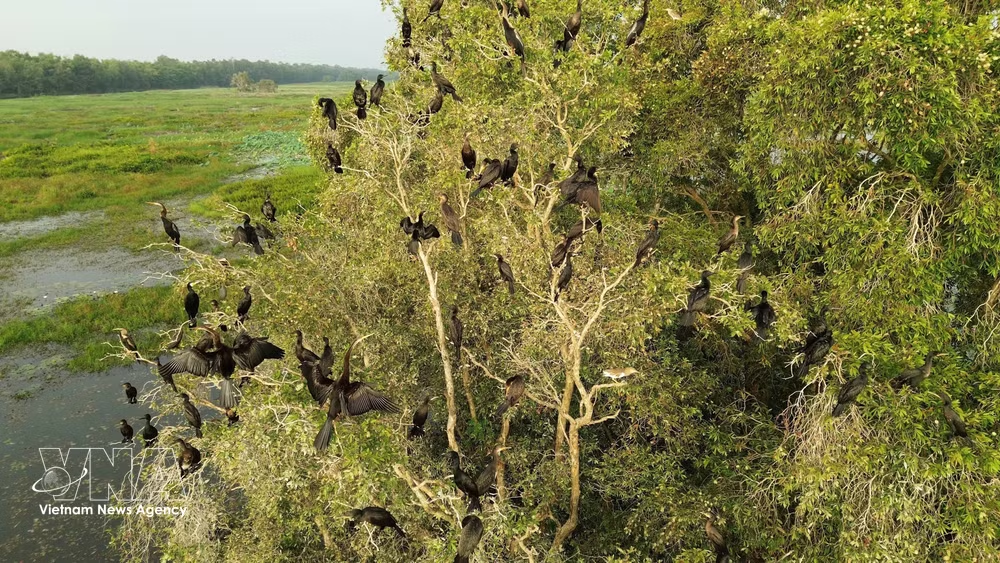
Over the past three years, the park has intensified efforts to rehabilitate ecosystems and habitats for the species, aiming to restore the typical biodiversity values of the wetlands.
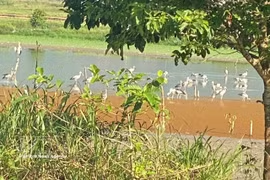
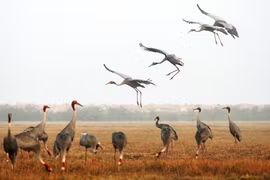
Once home to more than 1,000 sarus cranes, Tram Chim later witnessed a sharp decline in the bird number. However, in 2024, several cranes returned to its A5 sub-zone, offering a positive signal for the conservation project.
The Tram Chim National Park, covering more than 7,300 hectares, is one of the remaining wetlands typical of the ancient Dong Thap Muoi ecosystem. This area is of particular importance for biodiversity as it harbours hundreds of rare plant, waterbird, and aquatic species./.