Hanoi (VNA) - As the International Day for Biological Diversity 2026 underscores the theme of “local action for global impact,” Vietnam is stepping up efforts to safeguard its “green home,” highlighting the decisive role of local authorities, communities and society at large in advancing sustainable development.
According to the Ministry of Agriculture and Environment, the country has made notable progress in recent years in conserving nature, restoring ecosystems and promoting development in harmony with the environment. However, biodiversity continues to face mounting pressures from environmental degradation, climate change and illegal wildlife exploitation.
Observed annually on May 22, the global event aims to raise awareness of biodiversity’s critical role in sustainable development. This year’s theme calls for stronger community-driven initiatives and a “whole-of-society” approach to implementing the Kunming-Montreal Global Biodiversity Framework under under the UN Convention on Biological Diversity and Vietnam’s national biodiversity strategy.
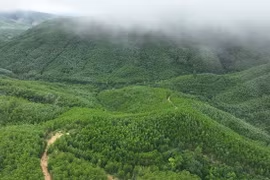
Vietnam has established a network of 180 terrestrial and marine nature reserve covering more than 2.67 million hectares. These sites are being further strengthened to improve ecological connectivity, restore habitats and conserve endangered species. Forest cover remains stable at over 42%, contributing to water protection, climate adaptation and carbon absorption.
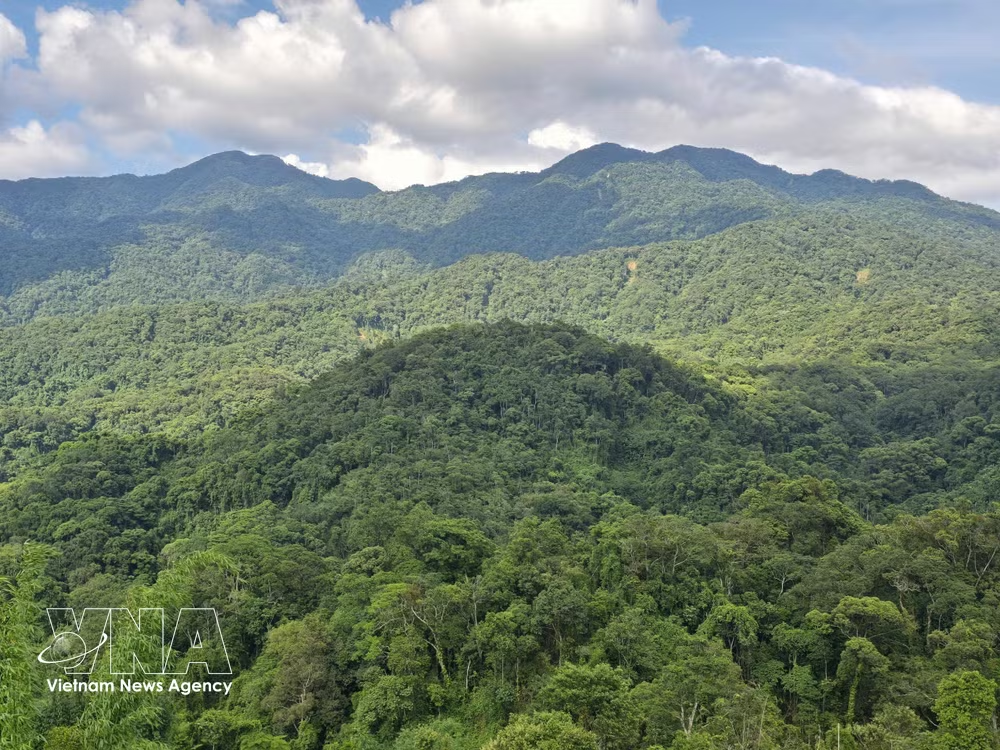
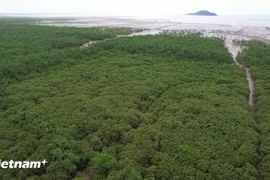
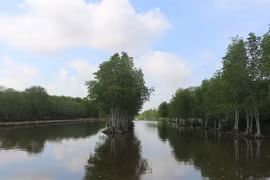
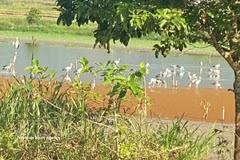
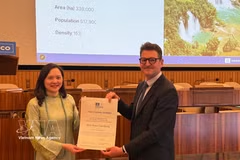
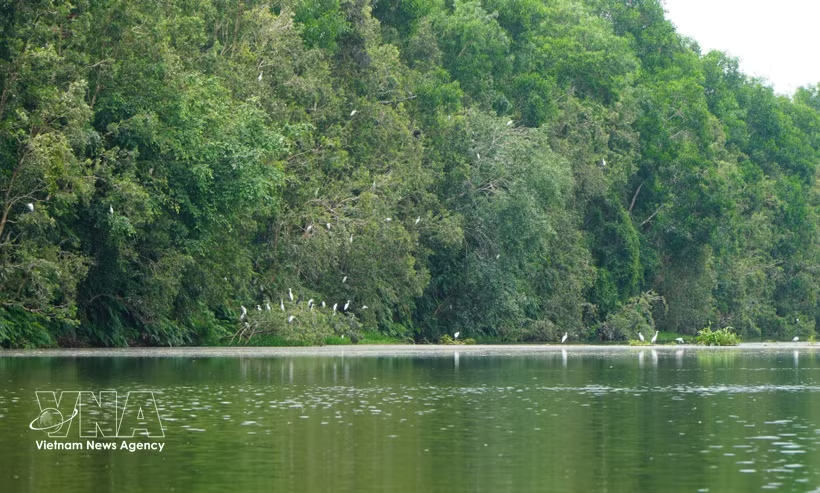
Key ecosystems—including mangroves, wetlands, coral reefs, seagrass beds and coastal zones—are gradually being restored through ecosystem rehabilitation programmes and nature-based solutions. In recent years, Vietnam has expanded its portfolio of internationally recognised conservation sites, including Ramsar wetlands, biosphere reserves and ASEAN heritage parks, contributing to protecting global environment and boosting international cooperation.
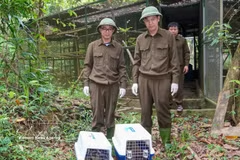
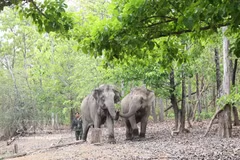
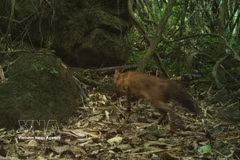
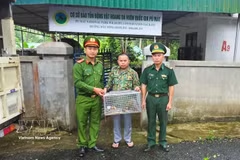
Efforts to conserve endangered wildlife have also intensified through rescue, captive breeding and reintroduction programmes, alongside stricter controls on illegal trade. The legal framework and inter-agency coordination mechanisms are being further refined to improve enforcement and curb violations.
Notably, biodiversity considerations are increasingly being integrated into national, local and sectoral development strategies and plans covering land use, marine spatial planning, ecological agriculture, sustainable fisheries, forestry, eco-tourism and green infrastructure. The ministry said this integrated approach is seen as key to minimising environmental impacts while fostering balanced growth between humans and nature.
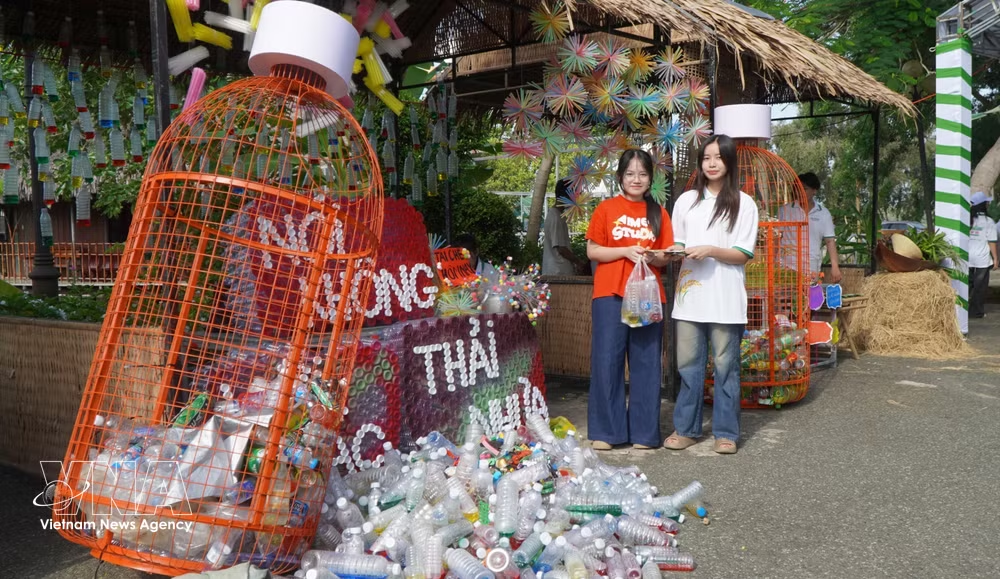
Despite these gains, challenges persist. Ecosystem degradation, habitat loss, pollution, marine plastic waste, overexploitation of natural resources and climate change continue to threaten biodiversity. Addressing these issues requires long-term investment, cross-sector coordination and broader public participation.
In response, the ministry has called on agencies, organisations and localities to intensify communication efforts and raise public awareness of biodiversity conservation. It is also encouraging communities, businesses and social organisations to take concrete actions such as tree planting, forest protection, environmental clean-ups and the development of community-based conservation models.
At the same time, localities are stepping up the implementation of the National Biodiversity Strategy by advancing digital transformation, applying science and technology, and promoting nature-based solutions. They are also mobilising multi-stakeholder partnerships in biodiversity conservation, encouraging organisations and individuals to sign agreements with authorities and adhere to voluntary standards and commitments on nature protection, and strengthening efforts to prevent violations related to resource exploitation as well as the illegal trade and consumption of wildlife.
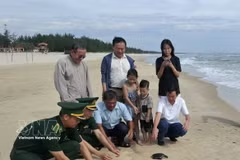
Across the country, local authorities are actively rolling out practical initiatives. Campaigns to plant trees, restore mangroves, clean marine environments, protect water resources and reduce plastic waste have attracted widespread participation from residents, youth groups and businesses.
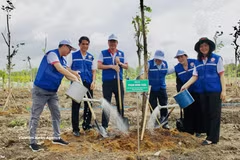
One notable example is the “Rung Xanh Len” (Regreening Forest) programme launched in 2022 in Son La province. The initiative aims to restore 500 hectares of natural forest linking Mai Chau and Van Ho over a decade. A recent tree-planting event on May 17 brought together local communities, forest rangers, authorities and businesses to plant 6,000 trees. This activity has not only helped restore hectares of natural forest in Son La, but also sown hope for a more sustainable future in the northwestern region.
Trinh Le Nguyen, Director of the People and Nature Reconciliation (PanNature), noted that the forest corridor between Mai Chau and Van Ho serves as a vital “green lung” in the northwestern region, and habitat for rare species such as the white-cheeked gibbon. However, it has come under increasing pressure from economic development and resource exploitation.
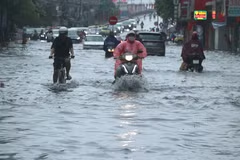
Environmental advocates stress that recent extreme weather events serve as a stark reminder of the consequences of ecological imbalance. Protecting nature, they say, is a shared responsibility that requires sustained commitment from all sectors of society.
Earlier, in March 2026, the Department of Agriculture and Environment of Tay Ninh province in southern Vietnam has launched creative campaigns, including art and short video contests, to raise awareness of natural heritage and ecosystem conservation. Such initiatives aim to inspire public engagement and reinforce the message that safeguarding biodiversity today is essential for a sustainable future./.