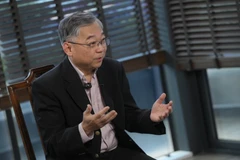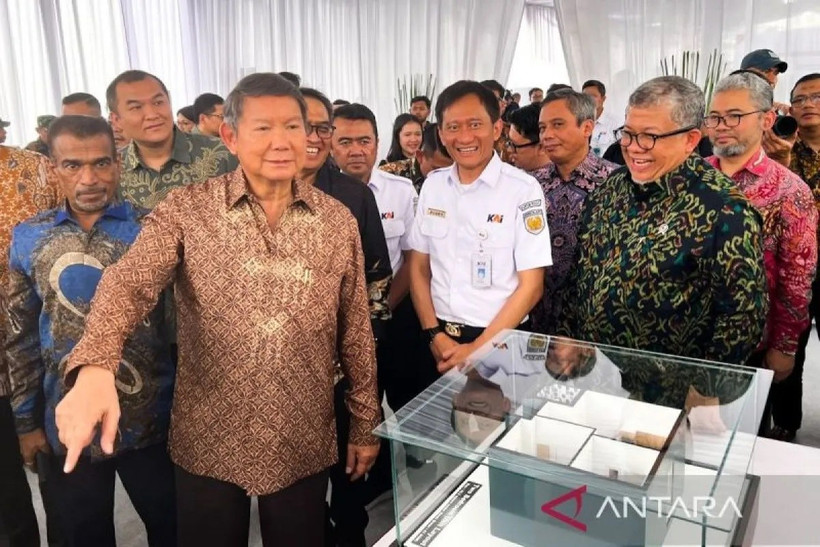
Jakarta (VNA) – The development of social housing in Indonesia is not only aimed at meeting housing needs but also serves as a strategic driver of national economic growth, according to Hashim S. Djojohadikusumo, head of Indonesia’s Housing Task Force.
Speaking at the launch of the pre-cooperation phase of the “3 Million Homes Development Programme” on September 17, Djojohadikusumo noted that the programme could significantly impact the economy, particularly through the construction of millions of apartment units and rural homes, which are projected to increase the national growth rate by up to 2.5% annually.
He added that housing development will meaningfully improve the quality of life for younger generations, especially millennials and Gen Z, who continue to face challenges in accessing affordable and livable housing.
Beyond meeting basic needs, the social housing initiative aims to create a sustainable development ecosystem, offering renewed hope to tens of millions of families without access to proper housing.
The official also stressed the importance of locating housing near mass transit systems such as MRT and rail lines, which will enhance daily efficiency, reduce travel time, and improve overall quality of life.
At the launch event, PT Kereta Api Indonesia (KAI) and the Ministry of Housing and Settlement Areas (PKP) announced a partnership with Qatari investor Al Qilaa International Group to develop vertical housing as part of the 3 Million Homes initiative.
PT KAI President Director Bobby Rasyidin said the collaboration is a strategic move to optimise KAI’s land assets through the Transit-Oriented Development (TOD) concept. The initial phase will involve constructing 50,000 residential units on PT KAI-owned land within TOD zones.
The first development will be located in Kampung Bandan, Kemayoran, Jakarta, marking a joint commitment to national development and strengthening investment ties between Indonesia and Qatar.
The project will feature vertical housing such as smart towers, integrating modern living with facilities like schools, playgrounds, communal areas, and smart systems, desined to elevate community well-being./.