Jakarta (VNA) – Indonesia is promoting a comprehensive greenhouse gas emissions reduction ecosystem, with carbon trading and results-based payments playing a key role in mobilising sustainable financing.
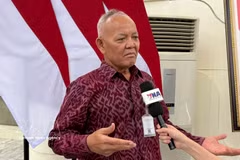
Indonesian Forestry Minister Raja Juli Antoni was quoted by local media on August 12 as saying that the country will build an integrated ecosystem to reduce greenhouse gas emissions through sustainable financing from carbon trading and results-based payments, thereby expanding programmes for beneficiaries.
According to the minister, Indonesia’s domestic carbon market is supported by a range of regulations and management tools, including the Carbon Credit Registration System (SRUK), a platform for developing the national carbon market.
Managed by the Environment Ministry, the SRUK records, manages and verifies traded carbon credits. It is designed to ensure a transparent, credible and high-integrity carbon market while preventing double counting of emissions reductions.
Raja Juli said further improvements to the system would lay the foundation for a more efficient carbon market, helping Indonesia mobilise additional resources for emissions reduction programmes and green economic development.
Alongside carbon trading, the Indonesian Government continues to promote climate financing mechanisms. Part of the funding managed by the Indonesian Environment Fund Management Agency (BPDLH) comes from the GCF through results-based payments, as well as support from the Norwegian Government under a results-based contribution mechanism.
In 2026, proposals from 10 provinces have completed assessment and are being prepared for implementation ahead of agreements on the allocation of results-based payment funding.
To date, 34 Indonesian provinces have accessed REDD+ GCF Output 2 financing, with total commitments reaching 761 billion IDR, equivalent to 94.8% of the total funding allocated to localities./.