Hanoi (VNA) – Vietnam has recently issued a lot of strategic policies and mechanisms, which are expected to help it continue pursuing the economic growth target of at least 8% this year, in the context that the country is accelerating institutional reform and streamlining its organisational apparatus.
Platform for growth
At the 9th plenum of the 15th National Assembly, lawmakers passed 34 laws, accounting for 52.3% of all laws enacted during the 17 sessions of the 15th tenure. In addition, the legislature also approved 14 resolutions and exchanged opinions on six draft laws.
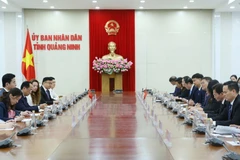
Particularly, the NA adopted a resolution amending and supplementing several articles of the Constitution, along with a range of synchronised laws and resolutions, thus laying the groundwork for reforming and reorganising the two-tier local administration system.
Deputy Minister of Finance Ho Sy Hung emphasised that these changes will create a broader space for socio-economic development and simplify administrative procedures by delegating authority to frontline units. This will help reduce the administrative burden, in line with the Government’s goal of cutting at least 30% of administrative procedures, thereby saving time and compliance costs for individuals and businesses.
Notably, the “Four Pillars” — a set of four key resolutions issued by the Politburo — are expected to serve as major drivers of economic development. These include Resolution No. 57-NQ/TW on breakthroughs in science and technology, innovation, and digital transformation; Resolution No. 59-NQ/TW on international integration in the new context; Resolution No. 66-NQ/TW on reforming the process of lawmaking and law enforcement; and Resolution No. 68-NQ/TW on the development of the private economy.
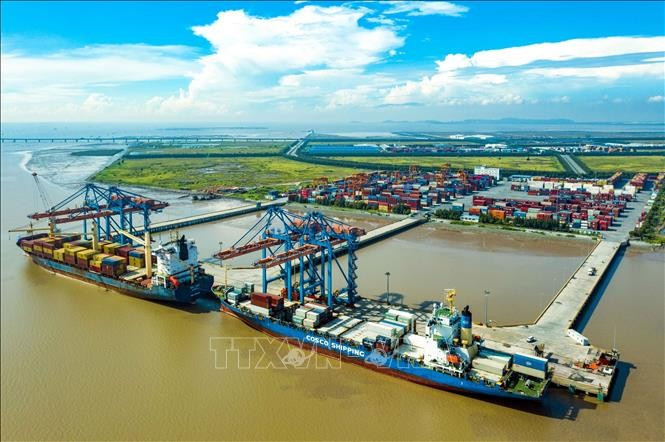
In addition, over the past six months, the Government has issued a wide range of decrees, resolutions, decisions, directives, and official dispatches to steer the country’s socio-economic development. In particular, in response to US tariff policies, ministries and sectors have actively engaged in negotiations, increased imports from the US, and begun drafting a decree on strategic trade controls.
Beyond peak campaigns against smuggling and counterfeit goods, the Government has focused on urging ministries and local authorities to continue efforts in combating smuggling and trade fraud, while strengthening inspections and monitoring of product origin. These efforts aim to protect brands and legitimate businesses, foster a fair and transparent business environment, promote trade and domestic consumption, and ultimately support sustainable economic growth.
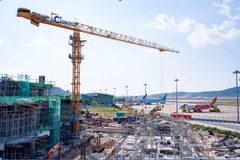
In terms of fiscal policy, the Government Resolution No. 154/NQ-CP dated May 31, 2025, emphasises the continued acceleration of public investment disbursement, while also strengthening the recovery of outstanding tax debts, advancing digital transformation, and promoting the use of electronic invoices. The goal is to increase state budget revenue by over 15% in 2025, and reduce regular expenditures by 10% to reallocate funds for development investment.
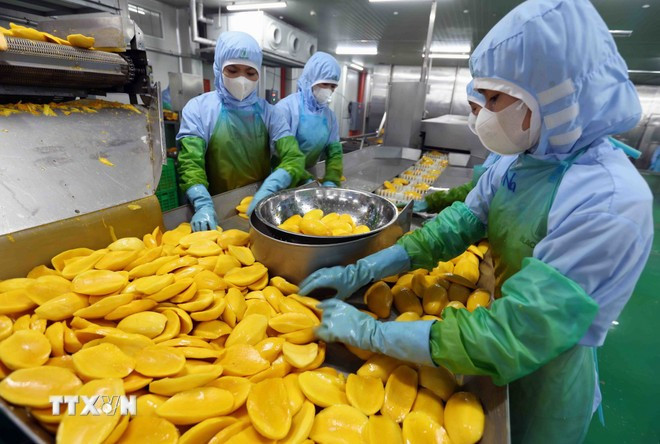
A series of supportive policies for business operations have also been introduced. Notably, Decree No. 108/2025/ND-CP dated May 19, 2025, allows for a reduction in export tax on cement clinker from 10% to 5%. At the same time, the National Assembly passed a resolution approving the extension of the 2% VAT reduction through the end of 2026.
The Government has also directed efforts to ensure credit growth is aligned with economic growth targets and inflation control, accelerate the effective implementation of credit programmes, explore new credit policies to stimulate consumer demand, and reform gold market management.
Optimistic about long-term growth potential
The European Chamber of Commerce in Vietnam (EuroCham) on June 30 released its latest Business Confidence Index (BCI) report, in which the European businesses continue to express strong confidence in Vietnam’s long-term economic prospects.
The BCI for the second quarter of 2025 recorded a slight dip to 61.1, reflecting heightened global uncertainty. However, the overall sentiment remains one of cautious optimism, with Vietnam still viewed as a resilient and promising investment destination.
This quarter BCI results showed a shift in Vietnam’s trade and investment environment. From rising tariffs and administrative burdens to the growing traction of the EU-Vietnam Free Trade Agreement (EVFTA), the data underscores the evolving opportunities and persistent challenges as well as shaping the strategy of European investors in Vietnam. Specifically, 72% of surveyed enterprises said they would recommend Vietnam as an investment destination with long-term potential.
“As geopolitical shifts continue to redraw global supply chains, having a clear and verifiable origin story for products is becoming a key competitive advantage,” said EuroCham Chairman Bruno Jaspaert.
Since May 5, the Ministry of Industry and Trade (MoIT) has taken over the Certificate of Origin (C/O) issuance process with plans to roll out a fully digital system nationwide. This move is widely welcomed by the business community as it is expected to reduce paperwork, improve turnaround times, and integrate more seamlessly with digital customs systems and electronic signatures.
“This push toward digitalisation is not just about reducing paperwork – it’s about positioning Vietnam as a trusted, future-ready trade partner,” Jaspaert said. He added that strengthening Vietnam’s domestic value chain and increasing the share of authentically ‘Made in Vietnam’ products would offer a major advantage in global markets.
Alongside the vigorous and effective implementation of the Government’s Action Programme to carry out the Politburo’s four key resolutions, experts stressed the importance of resolutely addressing institutional bottlenecks. They urged turning institutional reform into a source of competitive advantage and a key development resource, issuing regulations and guidelines for the newly passed laws and resolutions of the National Assembly, as well as taking decisive action to streamline and simplify administrative procedures and reduce compliance costs for businesses.
Vanessa Kristina Steinmetz, Director of the Friedrich Naumann Foundation for Freedom in Vietnam (FNF Vietnam), also highlighted that the private sector remains the most dynamic engine of the economy. Therefore, institutional reform, ensuring fair competition, and facilitating access to capital, technology, and skills are critical factors for enabling private enterprises to grow stronger and more sustainably in the years ahead./.