Malaysia boosts investment in green technology, digital transformation

As part of its long-term clean energy strategy, the government, he said, is also exploring advanced nuclear technologies, including Small Modular Reactors (SMRs), which offer potential not only for decarbonisation but also for driving high-value research and development (R&D), technology transfer and skilled talent development.

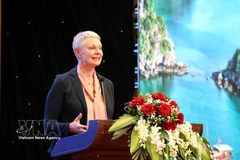
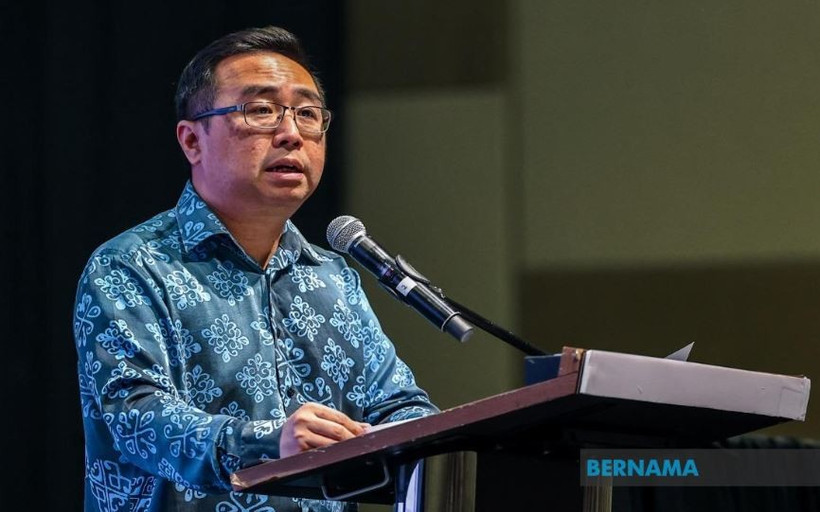
Minister of Science, Technology and Innovation Chang Lih Kang. (Photo: Bernama)

Kuala Lumpur (VNA) – Malaysia is unlocking high-impact investments at the intersection of sustainability and digital transformation, a key priority under the MADANI government’s green growth agenda.

Speaking at the Malaysia’s National Economic Forum 2025 on July 17, Minister of Science, Technology and Innovation Chang Lih Kang said Malaysian Government is promoting innovation in carbon management, hydrogen energy, green materials and circular economy models to accelerate the nation’s low-carbon transition.

As part of its long-term clean energy strategy, the government, he said, is also exploring advanced nuclear technologies, including Small Modular Reactors (SMRs), which offer potential not only for decarbonisation but also for driving high-value research and development (R&D), technology transfer and skilled talent development.

In the coming time, Malaysia is positioning itself as a regional hub for advanced materials, especially rare earth elements (REE), which are essential to green technologies, electric vehicles and digital industries.

Chang further said the government is working to strengthen local capabilities across the entire value chain, from sustainable extraction to downstream high-tech applications, through strategic roadmaps such as the National Advanced Materials Technology Roadmap.

With a 17% increase in private-sector R&D investment recorded in 2024, particularly in clean energy and digital health, investor confidence is rising.

“To build on this momentum, efforts are being made to de-risk deep-tech investments through matching grants, co-investment models and collaborative public-private platforms that foster innovation and long-term growth,” Chang said.

On the National Biotechnology Policy (DBN 2.0), biotechnology is driving growth in biopharmaceuticals, industrial and agricultural biotech, with ambitions to position Malaysia as a regional bio-based hub aligned with sustainability and ESG (Environmental, Social and Governance) goals.

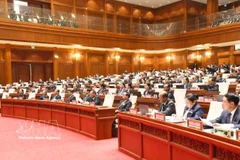
The National Economic Forum 2025 themed ‘Turning Strategy into Reality: Institutional Delivery, Economic Resilience and Investor Confidence’, aims to serve as a platform for robust dialogues and collaborative solutions to address the evolving challenges facing Malaysia amidst global economic realignment, technological disruption and sustainable growth.

It focused on positioning Malaysia strategically for the next phase of growth by cultivating a forward-thinking economic ecosystem driven by investment, innovation and inclusivity./.
VNA

See more

A commemorative publication titled “50 Years of Germany – Vietnam Relations: Partners in the Past, Present and Future”, published in 2025, offers a timely and comprehensive reflection not only on the 50th anniversary but also on the two countries' strategic path ahead. (Illustrative photo: the Vietnamese – German University)

German economic cooperation ministry praises Vietnam’s development

Commenting on the German Government’s prominent reference to Vietnam’s achievements in a key policy document shaping the future direction of its development policy, Dr Kambiz Ghawami, President of Germany’s World University Service (WUS), described this as highly significant.

Indonesia’s meat industry faces widespread job loss risks (Photo:en.infosawit.com)

Indonesia’s meat industry faces risk of mass layoffs

The Indonesian Meat Entrepreneurs and Processors Association (APPDI) said the total beef import quota for private companies this year has been cut to 30,000 tonnes, down sharply from 180,000 tonnes in 2025. The figure accounts for only a small fraction of Indonesia’s overall import plan of 297,000 tonnes of beef and buffalo meat for 2026.

Vietnamese Minister of National Defence General Phan Van Giang (left) and Lao Minister of National Defence Senior Lieutenant General Khamlieng Outhakaysone (Photo: VNA)

Laos focuses on building comprehensive all-people national defence posture

Reporting on defence and security work over the past five years, he noted that despite numerous challenges, Laos has recorded significant achievements under the direct, comprehensive and resolute leadership of the LPRP, the guidance of the Central Commission for Defence–Security, the solidarity and efforts of administrations at all levels, sectors, local authorities and the Lao people, along with cooperation from strategic partners.

Governor of National Resilience Institute (Lemhannas RI) of Indonesia Dr. Ace Hasan Syadzily (Photo: VNA)

Indonesia's programme to develop visionary leaders unveiled

This programme is designed to equip prospective senior leaders with strategic leadership mindset, geopolitical and geostrategic vision, and the capacity to formulate policies and govern the country amid a dynamic domestic and international environment.

Indonesia moves to build clean energy ecosystem for new capital (Photo: indonesiabusinesspost.com)

Indonesia develops clean energy ecosystem for new capital

The involvement of Indonesia's strategic state-owned companies such as Pertamina will strengthen the vision of developing Nusantara into a “forest city” with low carbon emissions, through close collaboration between the government and the business community.