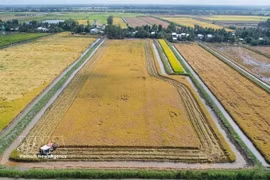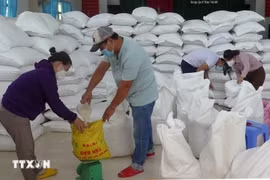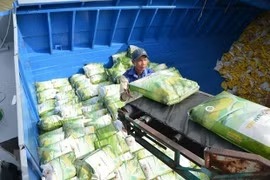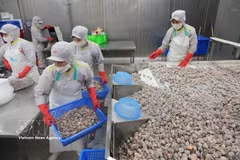
Hanoi (VNA) - Vietnam is facing a major opportunity to reshape its rice sector to a modern, sustainable, and environmentally-responsible model, as the one-million-hectare high-quality, low-emission rice project in the Mekong Delta delivers encouraging early results, according to the Ministry of Agriculture and Environment.
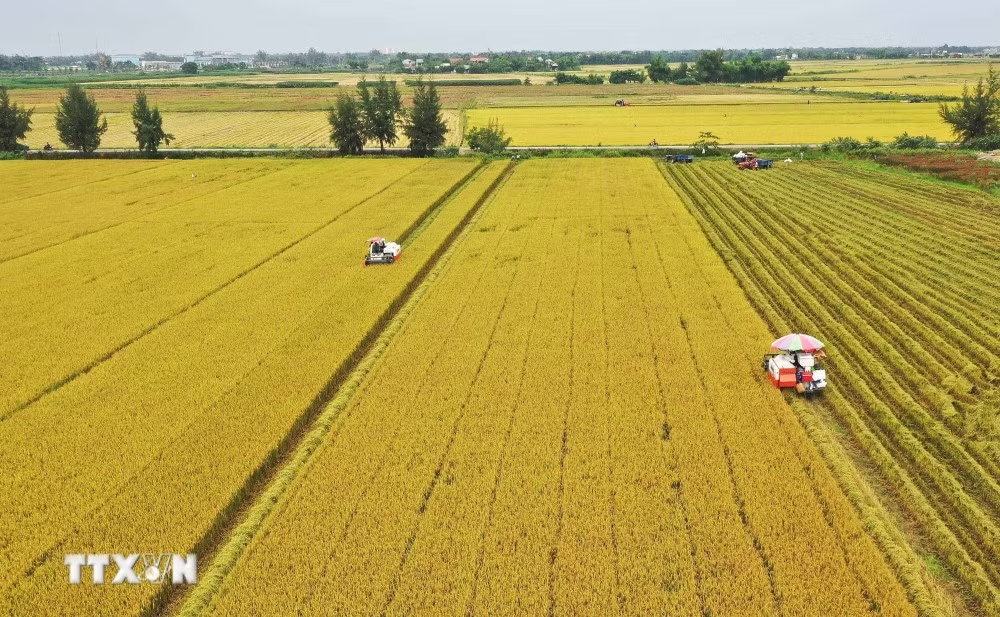
After more than two years of implementation, the project on rice cultivation linked to green growth has recorded significant progress. The cultivated area has exceeded the initial target by 197%, reflecting strong adoption at the local level and a clear shift in production mindset toward reducing emissions, enhancing economic value, and protecting the environment.
Deputy Minister of Agriculture and Environment Tran Thanh Nam said the cultivation area has reached over 354,800 hectares, compared to the initial target of 180,000 hectares. Pilot models applying technical processes guided by the ministry have delivered notable outcomes, including a 45% reduction in seed use, 30% lower fertiliser input, fewer pesticide use, and about 20% savings in irrigation water. Rice yields rose by around 12%, profits increased by approximately 6 million VND (230 USD), and there was a reduction of 3–4 tonnes of carbon dioxide emissions per hectare, per crop.
These improvements have helped shape more integrated rice value chains, laying a foundation for Vietnam’s rice sector to expand into strictly regulated export markets such as the EU, Japan, the Republic of Korea, Singapore, and Canada.
The participation from businesses, cooperatives, and international partners has also increased. More than 1,100 cooperatives and over 210 enterprises have joined the project, including more than 100 firms engaged in production and consumption linkages. Around 600 cooperatives have signed contracts with enterprises, accounting for 60–70% of the project’s cultivated area, with farmers linked through cooperative structures.
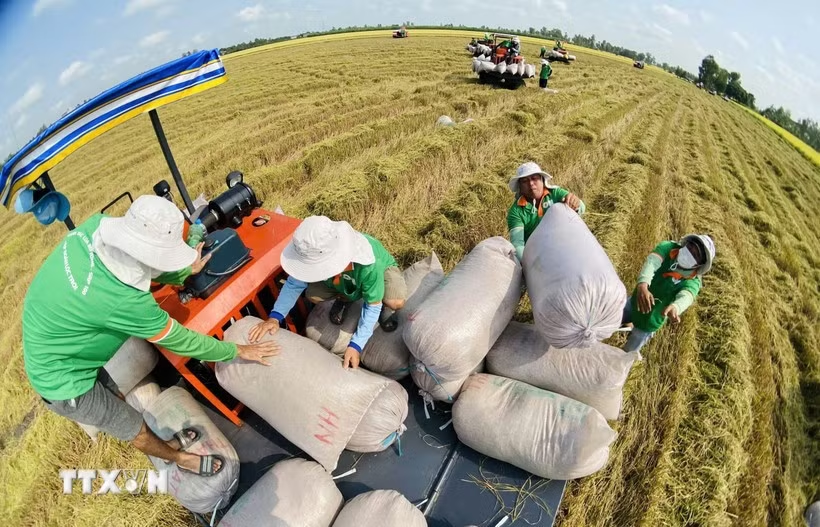
Mechanisation has been significantly enhanced. In pilot areas, all stages of land preparation, seeding, and harvesting have been mechanised using thrashers, transplanters and drones. Irrigation systems are coupled with increasing use of mechanised fertiliser application and drone-based pesticide spraying. Production costs have been reduced through the adoption of science and technology, aligned with national policies on innovation and digital transformation.
Circular agriculture practices are also gaining traction. About 70% of post-harvest straw has been collected and reused for mushroom cultivation, fertiliser production, and other commercial purposes, reducing greenhouse gas emissions.
The Vietnam Rice Industry Association has begun developing the “low-emission green Vietnamese rice” label. So far, more than 18,000 hectares have been certified under this label, with output reaching around 75,000 tonnes, including initial exports of 500 tonnes to Japan.
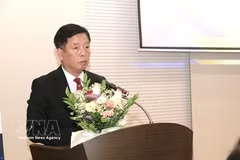
Minister of Agriculture and Environment Tran Duc Thang noted that the project aligns with Vietnam’s commitment at COP26 to achieve net-zero emissions by 2050. It also contributes to building a national rice brand associated with green, clean, high-quality, and sustainable production.
However, challenges remain. Some localities have faced implementation issues, while irrigation infrastructure, particularly at the field level, has yet to meet production requirements. Limitations in post-harvest straw management, as well as the capacity of certain cooperatives and enterprises, also need to be addressed. In addition, greater mobilisation of green finance and support mechanisms is required to scale up low-emission models.
In the coming time, Vietnam plans to expand an additional 820,000 hectares during 2026–2030 to achieve the one-million-hectare target. Authorities are expected to focus on improving infrastructure, strengthening production organisation, promoting digital applications, and enhancing linkages among enterprises, cooperatives, and farmers.
With coordinated efforts from ministries, localities, businesses, and farmers, the project is expected to serve as a key driver in building a greener agricultural sector, improving rural livelihoods, and advancing sustainable development in Vietnam’s rice industry./.