Singapore retains top spot as Asia’s most peaceful nation

The Institute for Economics and Peace (IEP), which compiles the index, noted that Singapore ranked particularly high in terms of safety and security.

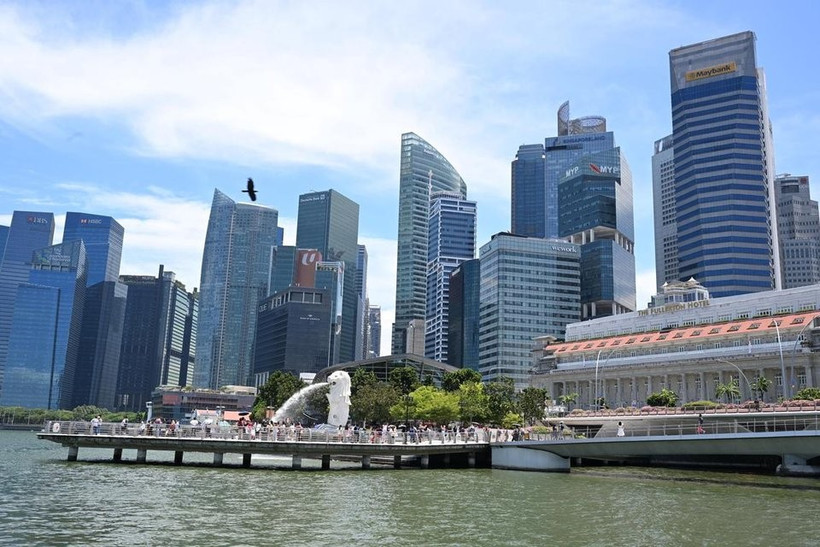
The Institute for Economics and Peace, which compiled the Global Peace Index, says Singapore ranks especially high in terms of safety and security. (Photo: Straitstimes)

Singapore (VNA) – Despite conflicts devastating many parts of the world, tightening borders and trade disputes, Singapore has retained its top spot as the most peaceful country in Asia and ranked sixth globally, according to the latest Global Peace Index.

The Institute for Economics and Peace (IEP), which compiles the index, noted that Singapore ranked particularly high in terms of safety and security.

Strict laws, low crime rates and a safe environment have fostered and reinforced a strong sense of public order in the island state. Singapore also topped the rankings for indicators measuring the absence of internal conflict, reflecting its political and social stability.

Among other Asian nations, Japan ranked 12th and Malaysia 13th.

The war-torn nations like Ukraine, Sudan, the Democratic of Congo, and Syria are at the bottom and considered “least peaceful”.

The report highlighted that the number of state-based conflicts has reached its highest level since World War II, with three new breaking out in 2025 alone.

Against this backdrop of mounting instability, many states have chosen to respond with increased militarisation.

Yet, despite those grim statistics, some nations continue to prioritise policies of peace, stability and cooperation, standing out as bright spots in efforts to uphold a sustainable international order./.

VNA

See more

Malaysia busts massive drug syndicate

Malaysia busts massive drug syndicate

An international drug syndicate was busted after Malaysian police seized over 18 tonnes of drugs worth nearly 375 million USD in one of the country’s biggest drug busts on record.

Indonesia will not import rice for either consumption or industrial use next year. (Photo: tempo.co)

Indonesia to stop rice imports next year

Indonesia's rice production in 2025 is projected to reach 34.77 million tonnes, up 13.54% year on year, driven by favourable weather and farmer support policies under President Prabowo Subianto’s administration.

Distinctive festivals across Indonesia attract international visitors. (Photo published by VNA)

Indonesia identifies 15 priority tourism markets for 2025–2026

According to data compiled by the Ministry of Tourism, the number of tourists from Malaysia reached 2.18 million in the January-October 2025 period, showing a growth of 15.91% compared to last year. Meanwhile, the number of visitors from Singapore totaled 1.19 million this year, growing by 7.66% from 2024.

The 8th Cooperative Plan Meeting between the Ministry of Commerce of Thailand and the Ministry of Industry and Commerce of Lao PDR, December 17, Bangkok, Thailand (Photo: nationalthailan.com)

Thailand, Laos aim to boost bilateral trade

Laos is Thailand’s 7th largest trading partner in ASEAN and 18th globally. From January to October 2025, two-way trade grew by 18.65% to 8.18 billion USD, with Thai exports increasing by 16.90% to 4.81 billion USD and imports rising by 21.23% to 3.60 billion USD.

File photo of Visa and Mastercard credit cards. (Photo: AP)

Unpaid credit card balances in Singapore hit record high in 10 years

Experts attributed the worrying trend to factors like people not spending within their means, consumer culture emphasising prestige items, and easier access to credit like “buy now, pay later” services. Analysts said this can be a hint of growing financial pressures faced by Singaporeans amid rising prices.

Malaysian Deputy Prime Minister Datuk Seri Fadillah Yusof (Photo: Bernama)

Malaysia accelerates clean energy transition

Delivering a speech at the Clean Energy Transition Asia (CETA) Summit 2025 in Kuala Lumpur, Fadillah, who is also the energy transition and water transformation minister, said that the Southeast Asian region now drives more than half of the global energy demand.