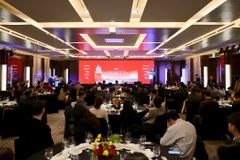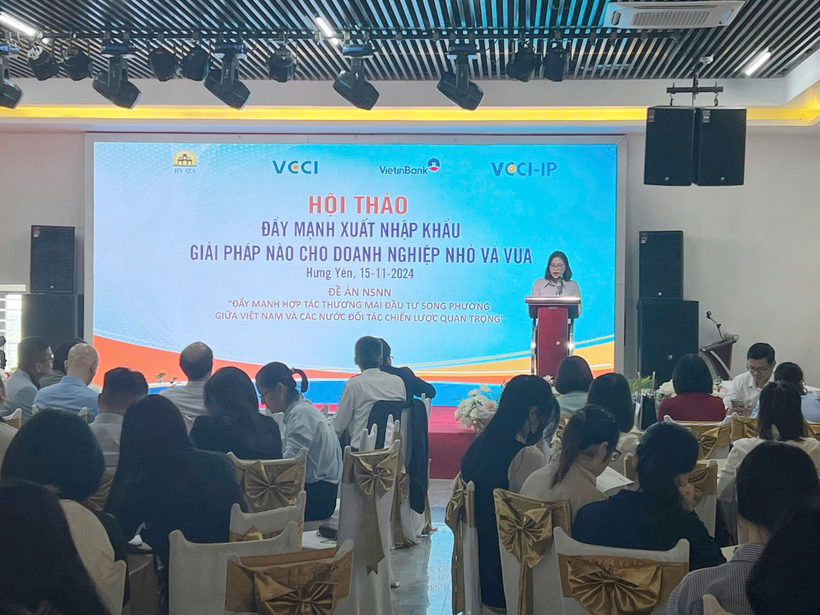
Hanoi (VNA) – Strategies to help small and medium-sized enterprises (SMEs) strengthen import-export activities was the focal point of discussions at a workshop held in the northern province of Hung Yen on November 15.
It was jointly organised by the SME Support Centre under the Vietnam Chamber of Commerce and Industry (VCCI) and the Management Board of Hung Yen Provincial Industrial Parks.
In her opening remarks, Tran Thi Thanh Tam, Director of the SME Support Centre, highlighted the significant role of free trade agreements (FTAs), such as the EU-Vietnam Free Trade Agreement (EVFTA) and the Comprehensive and Progressive Agreement for Trans-Pacific Partnership (CPTPP). These agreements, she said, have been instrumental in driving Vietnam’s export growth to key markets, including the US, the European Union (EU), China, Japan, and the Republic Korea.
“This positive trend is expected to continue into 2024 and 2025, especially in FTA and EU markets, offering a promising path for Vietnamese exports,” Tam remarked.
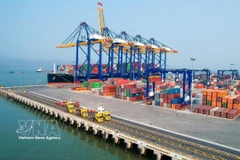
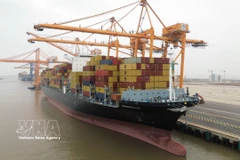
According to the General Statistics Office, Vietnam’s import-export turnover reached 647.8 billion USD in the first 10 months of 2024, a year-on-year increase of 15.8%, with a trade surplus of 23.31 billion USD.
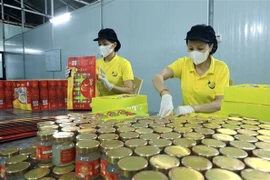
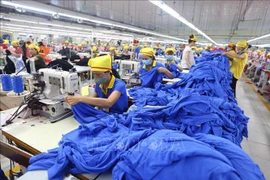
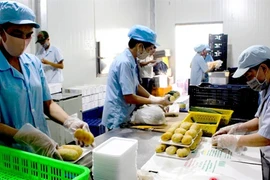
Seven key export commodities were electronics, computers, phones and components, machinery, textiles, footwear, wood products, and automotive parts, accounting for 66.5% of the nation’s total export value.
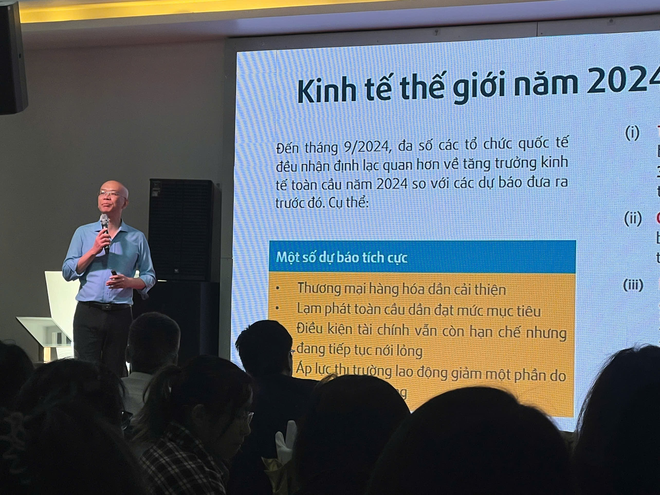
Despite these achievements, Tam warned of emerging challenges for export activities in late 2024 and 2025.
Export activities, particularly to major markets in Europe and the Americas, will face both opportunities and risks amid complex global geopolitical developments, she said.
She went on to say that issues such as conflicts in Europe and the Middle East, natural disasters, and climate change will continue to slow global economic recovery, trade, and investment growth.
Addressing technical barriers
Participants at the workshop also identified internal challenges for SMEs, particularly limited access to credit.
Nguyen Anh Duong, Director of the Department for General Economic Studies under the Central Institute for Economic Management (CIEM), noted that value chain-based financing remains underdeveloped in Vietnam. Most production enterprises still rely heavily on bank credit, while capital mobilisation through the stock market remains limited.
“Securing foreign currency loans for importing raw materials and production inputs for export remains a significant hurdle,” Duong said.
")
He urged businesses to proactively research new market regulations, create response strategies, adopt innovative business models such as the circular and digital economy, and share experiences to adapt to emerging trends. These actions, Duong explained, would allow SMEs to seek and secure appropriate technical support from partners.
Tran Thanh Hai, Deputy Director of the Agency of Foreign Trade under the Ministry of Industry and Trade, forecast robust growth in Vietnam’s import-export activities in 2025. He said they will be driven by global market stability, reduced inflation, recovering demand, stable domestic production, strong foreign direct investment (FDI) inflows, and the continued impact of FTAs.
However, Hai cautioned about new "technical barriers," including stricter quality, safety, environmental, and labor standards, as well as the potential for trade defense measures.
To capitalise on opportunities and mitigate risks, Hai advised SMEs to develop long-term business plans, enhance competitiveness, strengthen trade promotion, and leverage State support. He also urged enterprises to fully utilise FTAs, invest in workforce development, adopt digital technologies, establish risk contingency plans, and remain vigilant against international trade fraud./.