Thailand: schools told to stay open despite COVID-19

Dr Jurai Wongsawat, spokeswoman for the DDC, has said cluster outbreaks of the virus have been identified in several settings: six outbreaks in prisons involving 198 cases, five in schools with 258 cases, two in military camps, totalling 178 cases, and one hospital cluster with 35 cases.

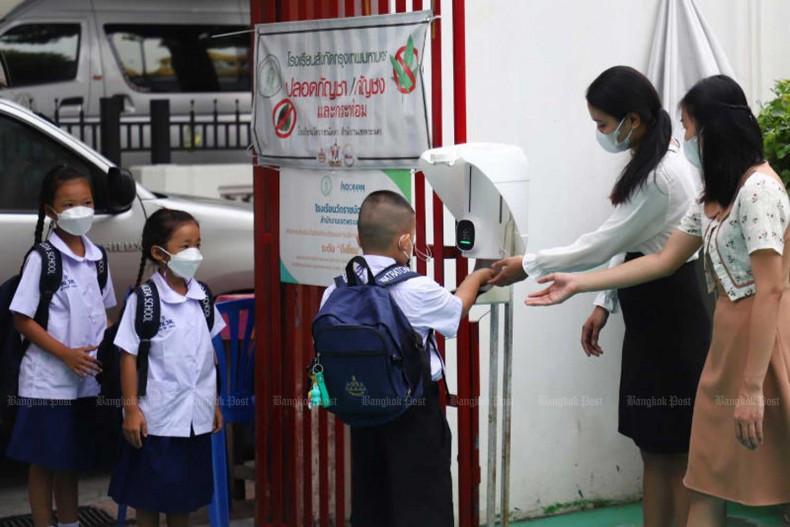
Students arrive at Wat Ratchanatda School in Bangkok. (Photo: Bangkok Post)

Bangkok (VNA) - Schools should not be closed to control a seasonal surge of COVID-19, as proper screening and isolation measures are sufficient to limit the virus's spread within education institutions, says Thailand’s Department of Disease Control (DDC).

Dr Jurai Wongsawat, spokeswoman for the DDC, has said cluster outbreaks of the virus have been identified in several settings: six outbreaks in prisons involving 198 cases, five in schools with 258 cases, two in military camps, totalling 178 cases, and one hospital cluster with 35 cases.

She recommend schools intensify screening of students and staff. If infection is found, home isolation is sufficient. There is no need to close schools, except in extreme cases where control becomes difficult.

She also advised that schools should notify health officials immediately if two or more COVID-19 cases are detected in the same classroom within one week.

She cited that the current COVID-19 outbreak in Thailand mirrors trends seen in other countries like Singapore and China. It is now in a surge phase, but with lower severity.

She said that COVID-19 cases have sharply increased following the Songkran festival in April. The number of reported infections rose from 9,083 cases during April 20–26 to 67,484 cases from May 18–24, a figure exceeding the five-year average and last year's count for the same period. There have been 211,717 confirmed cases and 51 deaths so far this year.

The infection rate currently stands at 326 cases per 100,000 people, while the fatality rate remains relatively low at 0.08 deaths per 100,000 people. The majority of deaths, 78%, occurred among elderly patients, most of whom developed lung infections due to the virus.

The DDC says the JN.1 variant remains the dominant COVI-19 strain in Thailand, accounting for 63% of sequenced cases. The XEC variant is in decline, representing just 3%, which is consistent with global trends.

The Ministry of Public Health is encouraging preventive measures, such as wearing masks, practising frequent handwashing, and avoiding crowded areas. Travellers returning from countries with ongoing outbreaks should monitor their health, the ministry advised./.
VNA

See more

Illustrative Image (Photo: Bangkokpost)

Thailand extracts bio-calcium from fish waste

Researchers at Rajamangala University of Technology, Thanyaburi (Thailand) developed a method to extract calcium from discarded parts of blackchin tilapia, including heads, bones, scales and tails - materials typically treated as waste and a source of pollution.

Philippines receives first Russian oil shipment in five years

Philippines receives first Russian oil shipment in five years

On March 24, Philippine President Ferdinand Marcos Jr. declared a national energy emergency through an executive order, allowing the government to fast-track fuel procurement, make advance payments for fuel contracts, and ensure the availability of fuel and other essential goods amid rising prices.

Philippines declares energy emergency over Middle East tension (Photo: BBC)

Philippines declares energy emergency

The Philippine Government on March 24 announced an "imminent danger of a critically low energy supply" as tensions in the Middle East threaten fuel supplies and the stability of the country’s power system.

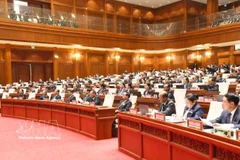
Delegates at the event (Photo: cambodia.un.org)

Cambodia accelerates access to climate-resilient water services

Funded by the UN Joint Sustainable Development Goals (SDG) Fund, the Water Infrastructure & Smart Energy Joint Programme (WISE JP) introduces a pioneering financial model that combines commercial and low-interest capital - a revolving blended‑finance facility - dedicated to ensuring climate‑smart water systems.

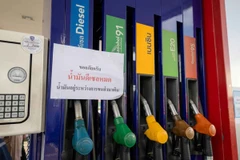
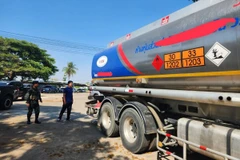
Officials inspect the 10-wheel tanker found smuggling fuel to Myanmar in Mae Sot border district on Sunday. (Photo:bangkokpost.com)

Thailand seizes 20,000 litres of diesel bound for Myanmar

Authorities of Thailand's Tak province have ordered intensified patrols and stricter inspections to prevent fuel stockpiling and illegal cross-border exports. They also called on local residents to report any suspicious signs related to fuel hoarding or smuggling.

Illustrative image (Photo: Internet)

Wildfires surge to 96 hotspots in Thailand

According to the provincial forest fire and haze prevention centre, satellite data from the Suomi NPP VIIRS system recorded the hotspots at 02:13. The fires were spread across multiple districts though firefighting teams have been working around the clock to contain the blazes.

In major cities such as Hanoi and Ho Chi Minh City, demand for pet-related services is surging. (Photo: VNA)

Vietnamese pet market attractive to RoK businesses

RoK pet food companies are increasingly targeting Vietnam as a key growth market, leveraging the country’s rapidly developing pet economy and rising demand for premium pet care products in Southeast Asia.

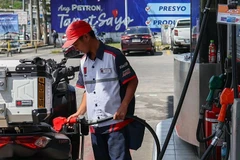
Residents refuel at a petrol station in Stung Treng province, north-eastern Cambodia. (Photo: VNA)

Cambodia introduces energy-saving measures amid Middle East conflict

Despite these challenges, the government noted that Cambodia’s fuel and electricity supply remains stable, supporting economic activities and public service delivery, based on assessments conducted with the Ministry of Mines and Energy, Electricité du Cambodge (EDC), and fuel import companies.