Hanoi (VNA) – Many localities are rethinking seasonal tourism, turning weather-related challenges into opportunities to create unique experiences, stimulate demand and attract visitors year-round while ensuring their safety.
“Awakening” the low season
Seasonality has long been a challenge for Vietnam’s tourism industry. In many localities, tourism peaks in summer but visitor numbers fall during the rainy months. Destinations are now seeking to restructure their tourism ecosystems and develop products that can operate year-round.
Quang Ninh, a famous tourist destination in the north, is among the localities focusing on four-season tourism. Instead of relying mainly on marine attractions, it is developing cultural and spiritual tourism, entertainment, and night-time activities, while tapping the potential of mountain and forest landscapes, festivals, and new experiential spaces.
It also hosts free fireworks and water-music shows every week to attract visitors, helping extend stays and create a more stable flow of customers for tourism businesses.
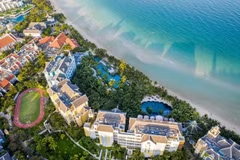
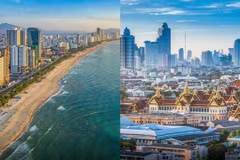
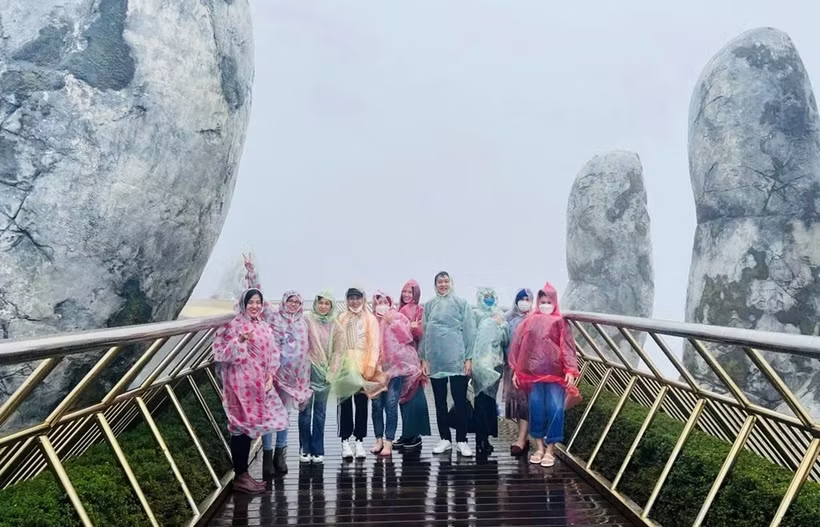
In the central city of Da Nang, the low season from September to December has traditionally affected tourism businesses. The city has gradually shifted from a “beach tourism” model to an integrated model of urban tourism, resorts, entertainment, and culture, giving visitors more reasons to come when weather conditions are unsuitable for swimming.
Bordering Da Nang, Hue city has a particular advantage, as rain has long been part of the cultural and emotional character of the former imperial capital. Heritage tours, nha nhac (Hue Royal Court Music), cuisine, coffee, museums and contemplative views of the city can offer visitors distinctive experiences. This year, Hue continues to organise festivals throughout the four seasons, expanding its cultural tourism offerings.
")
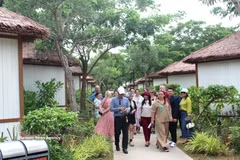
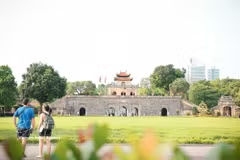
Hanoi is also promoting four-season tourism. During the low season, marked by hot weather and unpredictable rain, the capital is developing night-time and cultural tourism combined with resort experiences in suburban areas. Community-based destinations and upgraded activities at the Vietnam National Village for Ethnic Culture and Tourism are providing additional options for visitors.
Vice Chairman of the Hanoi Tourism Association Nguyen Tien Dat said “turning disadvantages into advantages” did not mean taking tourists into areas at risk of natural disasters, but restructuring tourism products.
A rainy day is an opportunity for museum visits, heritage tours, culinary experiences, wellness, art or craft villages, while a beach itinerary can be replaced with a city tour, nature excursion, and community-based cultural activities.
“The low season also offers advantages in service prices, less crowded spaces and opportunities to organise more in-depth experiences,” Dat was quoted by Ha Noi Moi (New Hanoi) newspaper.
He added that appropriate pricing policies, accommodation-food-tour packages, indoor products and attractive event schedules could help turn the rainy season into an advantage.
Boosting demand with safety in mind
The line between rain that creates an interesting experience and a dangerous natural disaster is clear. Storms, tropical depressions, flash floods, landslides, thunderstorms, tornadoes and rough seas cannot become tourism products. Close monitoring of weather forecasts and timely warnings are therefore essential.
Vice Chairman of the Vietnam Tourism Association Phung Quang Thang said rainy-season tourism products require careful preparation, including forecasting, warnings, protective measures and rescue arrangements.
Visitors should check weather conditions at both their destinations and along their travel routes and should not proceed with itineraries when authorities, meteorological agencies or site managers have issued danger warnings, he said.
Nguyen Cong Hoan, General Director of Flamingo Redtours, said tourism businesses must establish procedures for updating warnings and alternative itineraries. Tour guides should receive timely information and be capable of handling emergencies, while revenue pressures must never lead operators to take groups to high-risk areas.
As climate change makes weather increasingly unpredictable, adaptability will become an important part of a destination’s competitiveness. A destination’s appeal will depend not only on its scenery or prices but also on its ability to provide accurate information, respond quickly to disasters and protect visitors in exceptional circumstances.
Turning the rainy season into a season of unique experiences is an encouraging approach as it can help reduce seasonality and make more effective use of tourism resources. However, this approach will only be sustainable when destinations are well prepared, with detailed guidance on tourism products and comprehensive measures to ensure visitor safety./.