Vietnam actively engages in ASEAN financial, banking initiatives

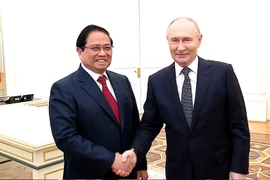
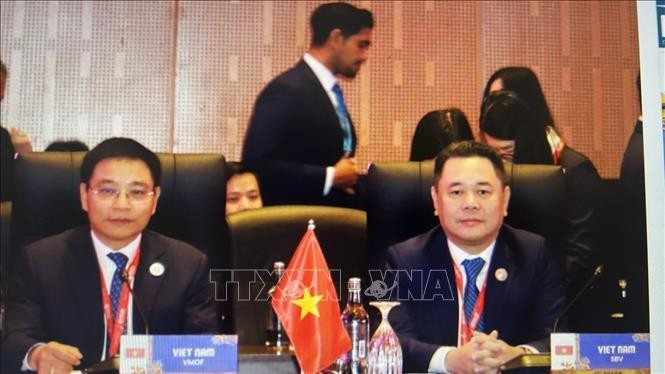
Leading the Vietnamese delegations, Minister of Finance Nguyen Van Thang and SBV Deputy Governor Nguyen Ngoc Canh, participated in key dialogues between ASEAN ministers and major business councils, including the US-ASEAN Business Council (US-ABC), the EU-ASEAN Business Council, and the ASEAN Business Advisory Council.

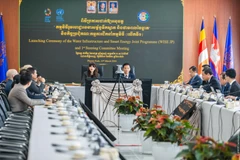
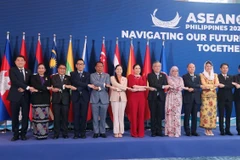
Minister of Finance Nguyen Van Thang (left) and SBV Deputy Governor Nguyen Ngoc Canh at the 12th ASEAN Finance Ministers’ and Central Bank Governors’ Meeting (AFMGM) in Kuala Lumpur, Malaysia, on April 9. (Photo: VNA)

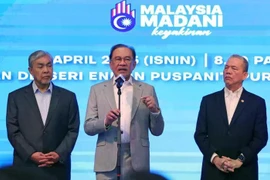
Kuala Lumpur (VNA) – Delegations from the Ministry of Finance and State Bank of Vietnam (SBV) actively joined discussions at the 12th ASEAN Finance Ministers’ and Central Bank Governors’ Meeting (AFMGM) in Kuala Lumpur, Malaysia, on April 9.

Leading the Vietnamese delegations, Minister of Finance Nguyen Van Thang and SBV Deputy Governor Nguyen Ngoc Canh, participated in key dialogues between ASEAN ministers and major business councils, including the US-ASEAN Business Council (US-ABC), the EU-ASEAN Business Council, and the ASEAN Business Advisory Council. These discussions focused on pressing economic issues, particularly concerns over the US's new tariff policies. ASEAN ministers received strong backing from the US-ABC, while conveying regional concerns to the US regarding the potential negative impact of its tariffs on Southeast Asian businesses.

At these sessions, Thang affirmed Vietnam’s commitment to streamlining administrative procedures, accelerating decision-making processes, and ensuring regulatory consistency to foster deeper economic and financial integration within ASEAN. He said that amid global trade policy shifts affecting supply chains and investment flows, Vietnam expects the US-ABC to serve as a crucial bridge between the US and ASEAN business communities and support regional economies in adapting to changes while promoting fair and sustainable trade.

Thang also noted that Vietnam supports ASEAN's sustainability priorities, and is actively joining the shaping of regional mechanisms such as the ASEAN Taxonomy for Sustainable Finance, the carbon credit market, and the measurement, reporting, and verification (MRV) framework to enhance transparency and accountability in emissions management.

Meanwhile, Canh underscored the importance of advancing digital payments for small- and medium-sized enterprises (SMEs), harmonising financial regulations, and developing cross-border digital infrastructure as key steps toward a more resilient and integrated ASEAN digital economy. He said it is necessary to combat fraud and financial scams, which remain critical challenges for the region.

On the sidelines of the meetings, Thang and his delegation held bilateral discussions with those from the Lao Ministry of Finance, the US-ABC, and the Malaysian finance ministry and central bank. Meanwhile, the SBV delegation engaged in meetings with the US Department of the Treasury./.
VNA

See more

KKP cuts GDP forecast, warns Thailand faces recession risk. (Photo: The Nation)

Thailand’s economy may face recession risk

In its latest report, KKP Research noted that Thailand’s vulnerability goes beyond its reliance on imported crude oil and liquefied natural gas (LNG). Disruptions to shipping routes in the Middle East could also worsen shortages of fertilisers, affecting agricultural output, as well as petrochemical feedstocks, which would impact the plastics and textile industries.

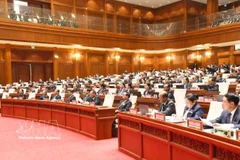
Thai Prime Minister Anutin Charnvirakul speaks before Thai Parliament in Bangkok. (Photo: Xinhua/VNA)

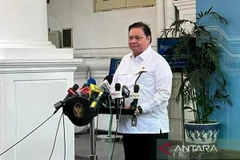
Thailand plans tighter, targeted fiscal 2027 budget

Thailand's fiscal 2027 budget is projected at around 3.78 trillion THB (nearly 118 billion USD), a 2% increase from the previous year, with a focus on targeted spending and cutting unnecessary expenses, according to Prime Minister Anutin Charnvirakul.

Fitch downgrades Philippines’ outlook to ‘negative’. (Illustrative photo: Reuters)

Fitch downgrades Philippines’ outlook to ‘negative’

The Outlook revision reflects rising risks to the Philippines' strong medium-term growth prospects from recent disruptions to public investment, exacerbated in the near-term by elevated exposure to the ongoing global energy shock.

The Singapore Maritime Technology & Research Roadmap is aimed at advancing the sector’s efficiency and sustainability. (Photo: businesstimes.com.sg)

Singapore unveils new roadmap to boost innovation in maritime sector

The Singapore Maritime Technology & Research Roadmap is aimed at advancing the sector’s efficiency and sustainability. It highlights priorities – including digital technologies, decarbonisation and operational integration – to boost resilience, productivity and innovation in Singapore’s maritime ecosystem. It also addresses structural issues such as manpower, land and sea space limitations.

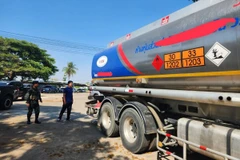
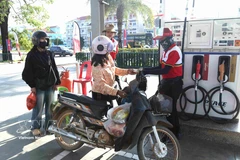
Malaysia considers establishing strategic petroleum reserve

Malaysia considers establishing strategic petroleum reserve

Malaysia, which was previously a net exporter, has now become a net importer due to declining domestic production and rising consumption, with demand estimated at around 800,000 barrels per day compared to production of about 400,000 barrels per day.

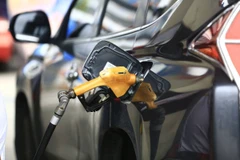
Indonesia to halt diesel imports from July

Indonesia to halt diesel imports from July

The move is part of the Indonesian Government’s efforts to strengthen national energy independence by utilising palm oil as an alternative fuel, said Agriculture Minister Andi Amran Sulaiman.

Malaysia’s growing microplastics crisis is largely self-inflicted, driven by domestic waste, weak recycling practices and everyday plastic use, said experts. (Photo: New Straits Times)

Malaysia seeks solutions to microplastic crisis

Microplastics originating from domestic waste and wastewater are increasingly entering the food chain, posing serious threats to seafood safety and the livelihoods of coastal communities.