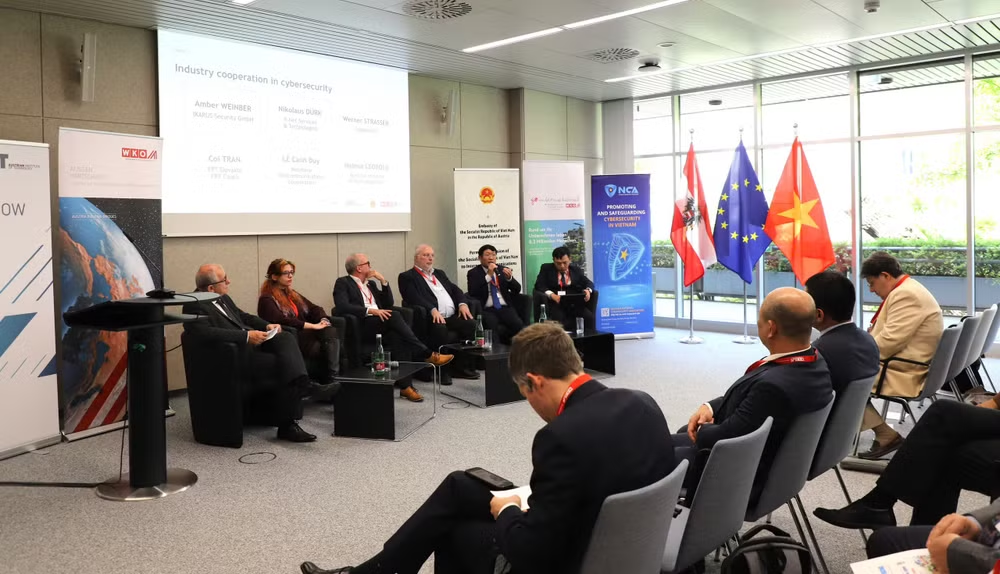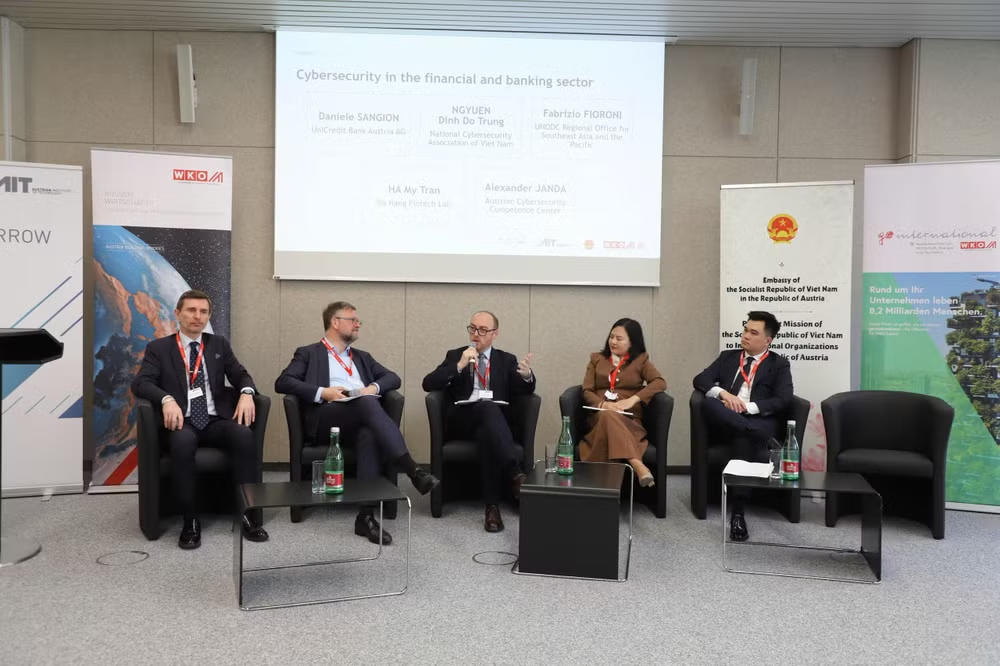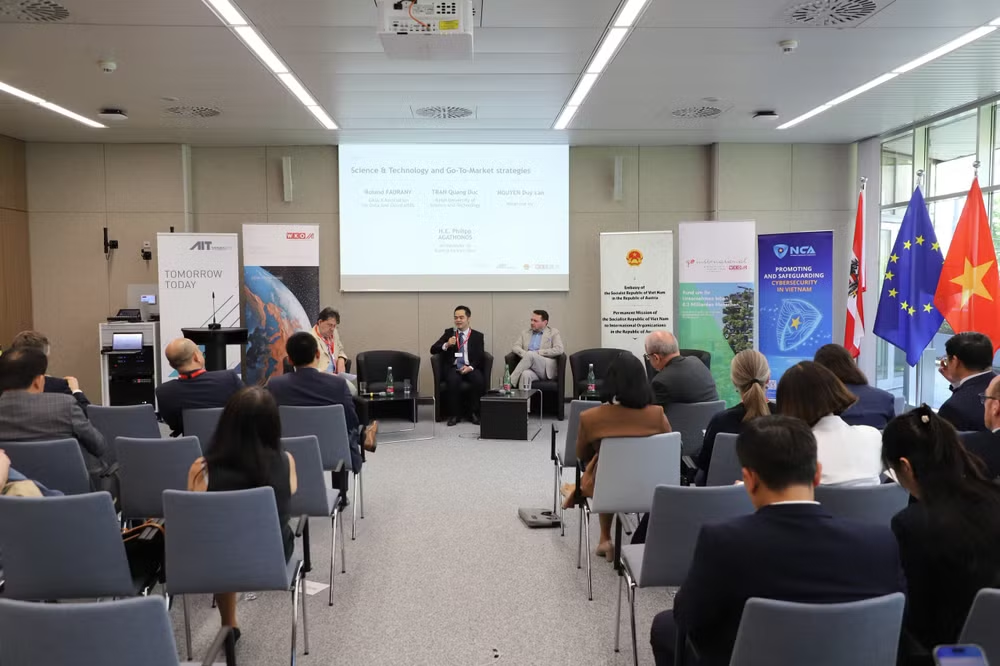
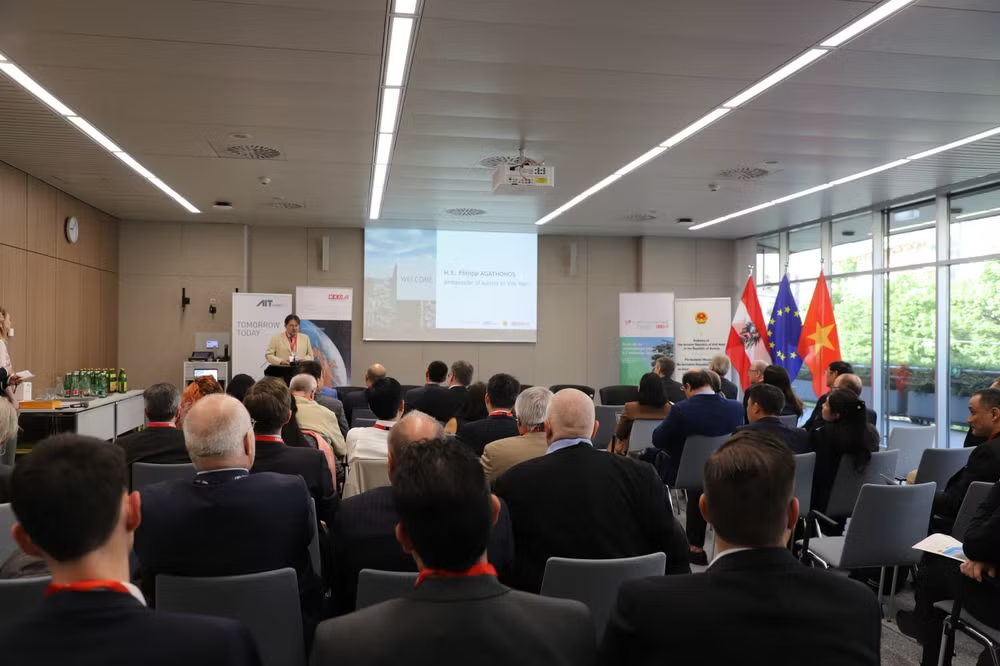
Hanoi (VNA) - The Austria–Vietnam Cybersecurity Forum was held in a hybrid format in Vienna on May 5, bringing together policymakers, businesses, and experts to explore opportunities for bilateral cooperation while advancing policy dialogue on cybersecurity.
The event was co-organised by the Embassy of Vietnam in Austria, the Austrian Federal Economic Chamber (WKO), the Austrian Institute of Technology (AIT), and Vietnam’s FPT Corporation. It aims to deliver concrete outcomes that deepen collaboration, strengthen institutional and technological capacities, and foster new business and investment opportunities, contributing to global cybersecurity efforts.
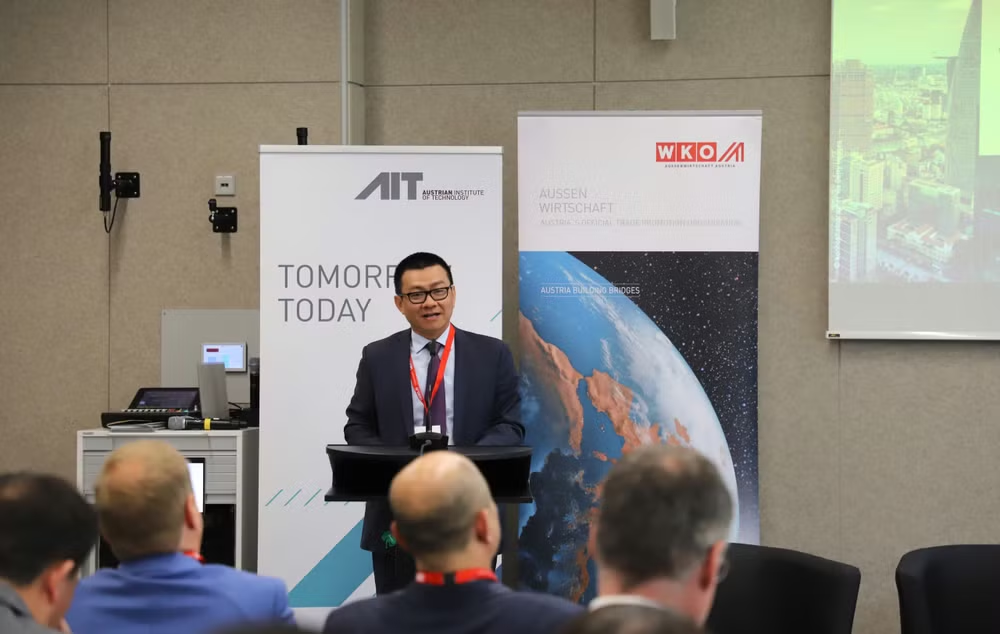
Addressing the forum, Ambassador and Permanent Representative of Vietnam to Austria Vu Le Thai Hoang stressed that cybersecurity is no longer merely a technical issue, but “a pillar of national resilience, economic stability, and international trust.”
He noted that in Vietnam, digital transformation is already a reality, with nearly 80% of the country’s 100 million people online. Digital banking, e-government, and smart manufacturing are expanding rapidly.
However, this rapid growth also brings significant risks. In 2024 alone, Vietnam recorded more than 13,000 cyberattacks, causing damages exceeding 800 million USD, with ransomware, data breaches, and phishing incidents on the rise.
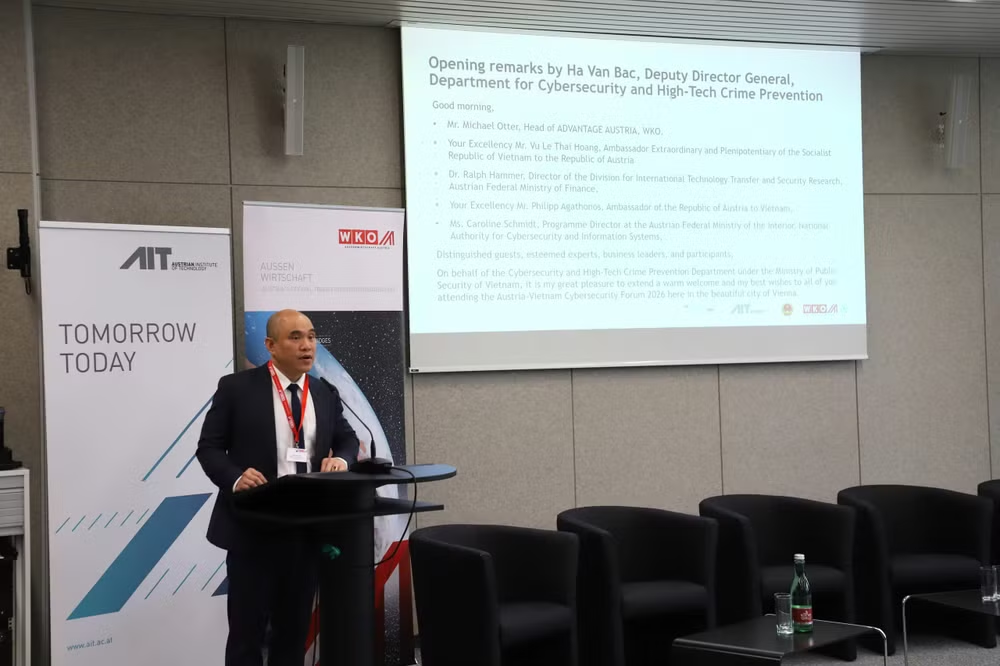
Echoing these concerns, Ha Van Bac, Deputy Director General of the Department for Cybersecurity and High-Tech Crime Prevention, said that cyber threats have continued to grow in both scale and sophistication. In 2025, thousands of cyberattacks targeted information systems across government agencies, organisations, and businesses.
Notably, ransomware incidents have surged, affecting more than 3,000 enterprises. These attacks are increasingly targeting not only large corporations but also small and medium-sized enterprises, service providers, and interconnected supply chains, amplifying the risk of widespread disruption.
According to Bac, as of January 2026, Vietnam has over 85.6 million internet users, accounting for approximately 84.2% of the population, ranking 12th globally. While this creates vast opportunities for digital services and innovation, it also places greater demands on cybersecurity, data protection, and the fight against high-tech crime.
In response, Vietnam has made cybersecurity a national priority. Ambassador Hoang highlighted the establishment of the Department of Cybersecurity and High-Tech Crime Prevention under the Ministry of Public Security, along with the activation of the National Cybersecurity Incident Response Alliance to enhance cross-sector coordination.
He emphasised that Vietnam is entering a new phase of rapid and sustainable development driven by science and technology, with digital transformation, innovation, and high-tech industries identified as key engines of growth. “Technology without trust is fragile - and trust begins with security,” he said.
At the international level, Vietnam has also stepped up its engagement. Last October in Hanoi, the country hosted the signing ceremony of the United Nations Convention against Cybercrime, also known as the Hanoi Convention, marking a significant milestone in global cooperation. Vietnam is the first country in Southeast Asia and the third in the world to ratify the convention, and is actively working with the United Nations Office on Drugs and Crime (UNODC), the International Atomic Energy Agency (IAEA), and other partners to strengthen capacity in combating cyber-enabled crime and terrorism.

From the Austrian side, Austrian Ambassador to Vietnam Philipp Agathonos highlighted cybersecurity as one of the key priorities during his tenure, alongside innovation and technology. He noted that Vietnam’s growing digital economy also places it in a more exposed position, requiring stronger resilience and international cooperation.
“A safe and secure digital environment is essential for economic growth and societal stability. Both governments and businesses stand to benefit from strengthened cybersecurity,” he said, expressing confidence in the potential for deeper bilateral engagement.
Agathonos also pointed to ongoing initiatives such as the International Digital Security Forum (IDSF) and upcoming EU cooperation programmes, including Horizon-related activities, as platforms to further expand collaboration between Austria and Vietnam.
Reinforcing this outlook, Dieter Hempel, Head of the Austrian Agency for Economic Cooperation and Development (AED), noted that the two sides have recently signed a memorandum of understanding (MoU) with Vietnam’s National Cyber Security Association (NCSA), creating a foundation for more concrete cooperation.
He said the MoU is expected to be translated into practical initiatives, including training programmes, technical exchanges, and joint projects. “Our goal is to bring Austrian best practices to partner countries and work directly with practitioners to deliver tangible results,” he noted, adding that such cooperation would also help foster stronger business and economic ties between the two countries.
Highlighting the potential for bilateral cooperation, Ambassador Hoang noted that Austria brings strong expertise to the partnership, with AIT leading major EU cybersecurity competence networks and working closely with the IAEA on nuclear cybersecurity. Vietnam, meanwhile, offers a dynamic and fast-growing digital economy, along with a firm political commitment to strengthening cybersecurity governance.
Together, the two countries can move beyond dialogue into concrete action through technology transfer, joint research, thematic solutions, and workforce development, Hoang said./.