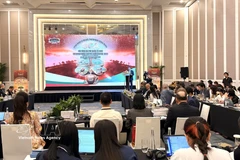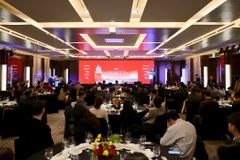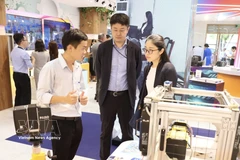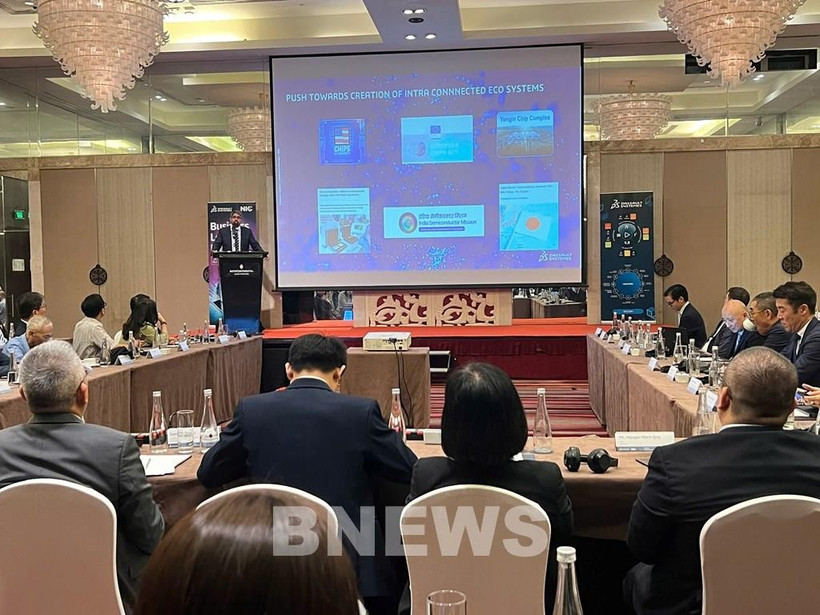
Hanoi (VNA) – The National Innovation Centre (NIC) and French multinational software group Dassault Systèmes on August 20 co-hosted the Business Leaders Forum in Hanoi, aiming to promote innovation and strategic technologies in Vietnam.
At the event, representatives from Dassault Systèmes pledged to deepen cooperation with Vietnam, including the training of 50,000 semiconductor engineers by 2030. The company will also support the development of a skilled innovation workforce to help Vietnam seize opportunities in the digital era.
The forum provided a platform for exchanging international experience in applying 3D simulation, product design, and Dassault’s digital platform, 3DEXPERIENCE, strategic technologies and semiconductor value chains. It also highlighted solutions for building high-quality human resources in Vietnam’s strategic technology sectors and connecting Vietnamese companies with global tech leaders.
More than 50 senior leaders from the semiconductor, high-tech, government, and academic sectors gathered to discuss how Vietnam can accelerate its digital transformation, strengthen its workforce, and expand global partnerships. Key sessions covered artificial intelligence-driven “digital twin” solutions, integrated modelling and simulation (MODSIM), and advanced manufacturing technologies that can boost competitiveness and attract more investment.
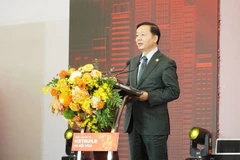
In his opening speech, Dr. Vo Xuan Hoai, NIC Deputy Director, highlighted Vietnam’s strong commitment to science, technology, and innovation as outlined in Politburo Resolution 57-NQ/TW dated December 22, 2024 and Prime Ministerial Decision 1131/QĐ-TTg issued on June 12, 2025. They identify 11 strategic technology groups and 35 key technology products as national development priorities.
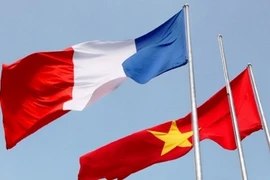
Samson Khaou, Executive Vice President for Asia-Pacific at Dassault Systèmes, and Marie Keller, Acting Chargé d’Affaires of the French Embassy in Vietnam, both affirmed France’s commitment to supporting Vietnam’s innovation and technological cooperation.
Together with NIC, Dassault Systèmes pledged to help strengthen Vietnam’s innovation-led ecosystem and build a strong digital workforce by applying global expertise, industry best practices, and advanced digital twin solutions. This partnership is expected to play a vital role in realising Vietnam’s semiconductor ambitions in the years to come./.
Photo book connects cultures of Vietnam, France
The work is the product of French writer-photographer Dominique de Miscault and Vietnamese cultural scholar Dr. Hoang Thi Hong Ha. More than a conventional album, it weaves three decades of images into an emotional journey through Vietnam’s Northern, Central, and Southern regions.