Hanoi (VNA) – Vietnamese businesses are actively adapting to challenges by accelerating digital transformation, embracing sustainable development, and calling for both financial assistance and long-term strategic support.
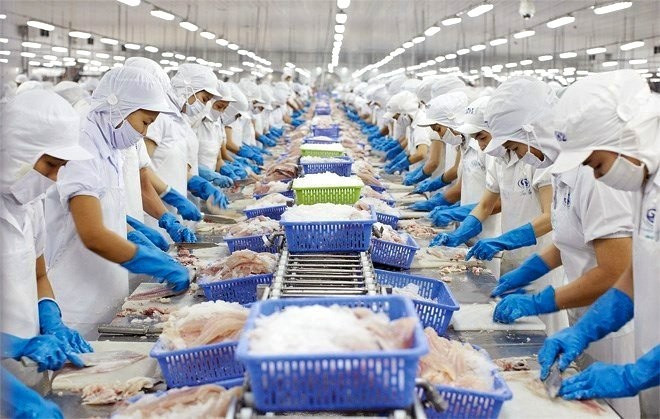
Businesses seek tax support
According to the 2025 Business Outlook Survey released by United Overseas Bank (UOB) Vietnam on June 25, many Vietnamese businesses have implemented measures to mitigate potential impact following the announcement by the United States of a 46% reciprocal tariff on Vietnamese goods on April 2.
Despite ongoing uncertainties in the global market, 60% of surveyed Vietnamese firms remain optimistic about their prospects in the coming year. Notably, 46% said they plan to accelerate expansion into overseas markets.
The US government’s decision to delay the tariff enforcement for 90 days has created room for trade negotiations and given businesses more time to respond. Many are focusing on stabilising supply chains and managing rising input costs. Around 52% expect material and production costs to increase significantly, while 30% are concerned about heightened inflation.
In response, businesses are diversifying suppliers, increasing local sourcing, and reducing reliance on the US market. Nearly 70% expect intra-ASEAN trade to strengthen, underscoring the region’s growing strategic importance.
Firms are prioritising digital transformation and sustainability, with 61% focusing on digitisation and 56% on sustainable practices—key to boosting efficiency, attracting investment, and enhancing brand credibility amid tariff-related uncertainty.
Beyond internal initiatives, many Vietnamese businesses are also seeking external support. In the short term, 73% are calling for financial assistance to mitigate tariff impacts, while 65% hope for targeted subsidies or tax relief for heavily affected sectors.
In the long term, 62% of respondents said they would welcome strategic support in the form of new bilateral trade agreements with key markets, as well as assistance in restructuring and relocating supply chains.
Lim Dyi Chang, Country Head of Commercial Banking, UOB Vietnam, said the bank remains optimistic about Vietnam’s economic outlook despite recent tariff concerns. He noted that strong fundamentals, recent policy reforms, and the proactive approach of the business community are encouraging signs.
Lim noted that this was an opportune time for Vietnamese firms to adjust their strategies, lessen their dependence on individual export markets, and take advantage of the growing momentum of intra-ASEAN trade.
ASEAN remains a key target market.
UOB’s 2025 Business Outlook Study surveyed over 4,200 businesses across ASEAN and China, including 532 from Vietnam. Now in its sixth year, the study monitors corporate development trends in seven key markets, reflecting changing priorities, expectations, and strategies amid global volatility.
This year’s results reaffirm ASEAN’s position as a top-priority market. Thailand Singapore were identified as leading destinations for Vietnamese firms, while Europe is also emerging as a key strategic region, with one in four firms naming it as a future focus.
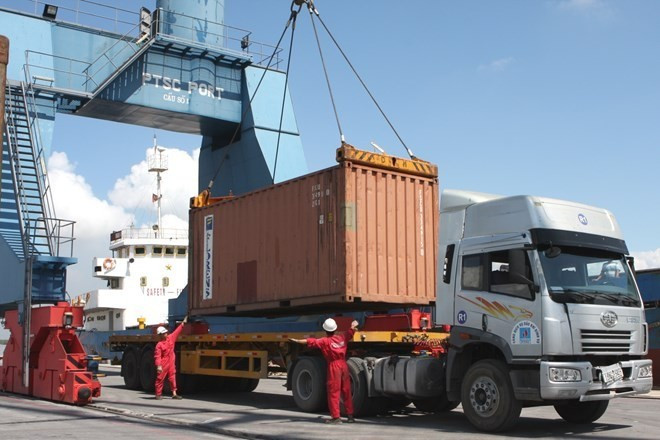
Supply chain management remains a top priority for 90% of Vietnamese firms, given ongoing geopolitical risks. The three main concerns are rising procurement costs, existing supply chain disruptions, and inventory management.
To adapt, firms are diversifying supply sources, increasing digitisation, and strengthening collaboration with suppliers. Among surveyed businesses, 72% now favour domestic sourcing, 67% prioritise ASEAN-based suppliers, and 43% look to China.
Vietnam leads the region in next-generation leadership, with nearly 75% of businesses run by successors—well above the ASEAN average of 60%.
These leaders focus on key sectors like manufacturing, energy, and oil and gas, and are driving innovation through digital tools such as AI, cloud computing, and blockchain.
Notably, over 95% prioritise sustainability, with many leveraging green loans and sustainable financing to boost resilience and attract investment, and build resilience against future disruptions./.