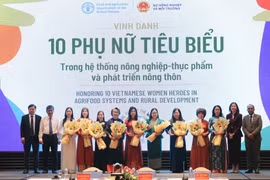
Hanoi (VNA) – Women play a vital role in Vietnam’s economic development, family welfare and preservation of cultural and social values. Collective economic models, particularly cooperatives, are creating opportunities for women to participate in large-scale production, access technology, connect with markets and strengthen resilience to climate change.
Promoting women’s participation in high-tech agriculture and green growth is therefore not only a matter of gender equality but also a driver of higher agricultural value, sustainable rural development and stronger collective economic models.
Empowering women through cooperatives
On January 3, 2023, the Prime Minister approved a project supporting cooperatives managed by women and creating jobs for female workers through 2030 under Decision No. 01/QD-TTg.
After more than three years of implementation, the project has helped consolidate 1,137 cooperatives and 6,598 cooperative groups, while supporting the establishment of 554 new cooperatives, generating jobs for more than 15,000 female cooperative members and workers and over 40,000 women in cooperative groups. Average monthly income among cooperative members has reached approximately 5 million VND (193 USD).
Support for management, science and technology applications, digital transformation, branding, the One Commune One Product (OCOP) programme and market access has helped many cooperatives move from small-scale production towards commercial production and value-chain integration.
Women account for 3,890 of the 4,429 members of newly established cooperatives, or more than 87%, highlighting their growing role in cooperative management and development.
In Son La province, the Women's Union has worked with the provincial Cooperative Alliance to establish 30 new cooperatives involving women from 2021 to 2026, maintain 149 cooperatives and support 147 collective economic models, including cooperative groups and production linkages.
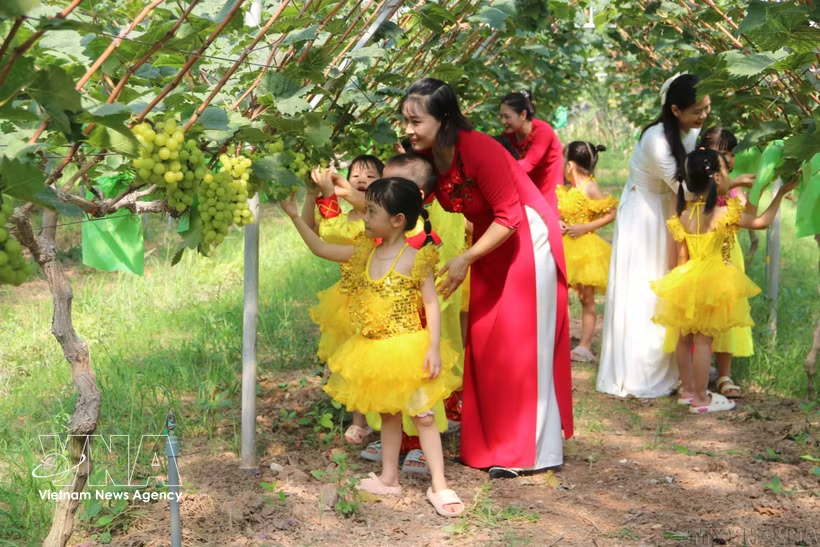
Women-led cooperatives in tea, coffee, fruit, medicinal herbs, agricultural processing and community-based tourism have created jobs and increased incomes while promoting local products and preserving traditional culture.
Women as drivers of innovation
Nguyen Thi Hoang Yen, deputy head of the Department of Cooperative Economy and Rural Development under the Ministry of Agriculture and Environment, said women-led cooperatives often excel in community engagement, quality control and developing distinctive local products while linking economic growth with cultural preservation and environmental protection.
Many cooperatives managed by women in Son La, Bac Giang, Dong Thap and Lam Dong provinces have adopted VietGAP and organic standards, electronic traceability, digital sales platforms and e-commerce marketplaces. Female cooperative leaders have also helped build local agricultural brands and connect production with community tourism.
However, women continue to face barriers to resources, digital skills and management training, alongside the double burden of earning a living and caring for their families. They are also particularly vulnerable to climate change and market fluctuations.
The Vietnam Women's Union has identified key priorities through 2030, including strengthening women-led cooperatives, improving workforce skills, expanding employment for women and enhancing cooperation with international organisations, businesses, financial institutions and technology partners.
Investment in women is not only investment in gender equality but also in a greener, more modern and climate-resilient agricultural sector. Empowering women to lead innovation and sustainable production will help build inclusive rural communities and ensure that no one is left behind./.