Phu Tho (VNA) – Amid the fast-paced changes of modern life, the traditional cultural heritage of the Mong ethnic community in the mountainous area of Pa Co, Phu Tho province, remains resiliently preserved through the skillful hands of local women.
Brightly coloured brocade fabrics crafted here are no longer just daily attire, they have become a bridge between cultural preservation and economic empowerment, reaching beyond remote villages to international markets.
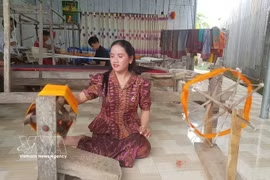
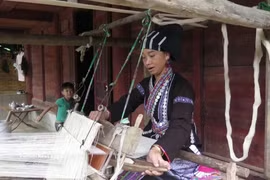
In Pa Co commune, brocade weaving has long been an indispensable part of Mong people’s life. From early childhood, young girls learn how to spin thread, weave cloth, embroider, and draw beeswax patterns on linen.
Born into a multi-generational weaving family, Giang Thi Mua grew up with the daily clatter of the loom.
“Seeing my mother weave regularly since I was little inspired me to learn,” Mua shared. "After getting married, my mother-in-law further guided me in embroidery and beeswax painting techniques. To me, traditional craft not only generates additional income but also helps preserve the cultural identity of the Mong people.”
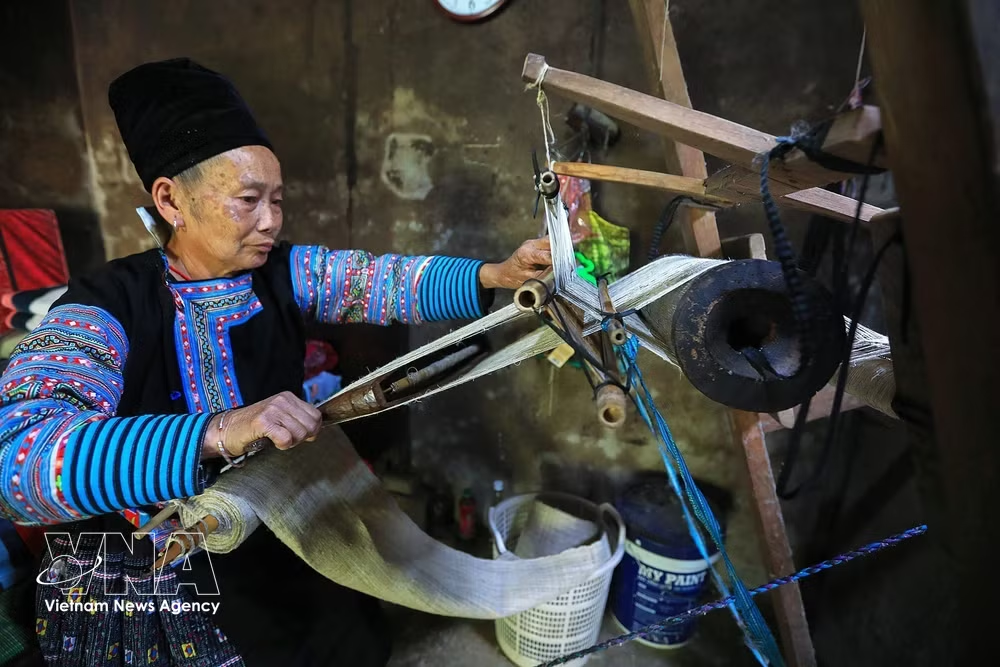
Crafting a complete traditional garment requires immense patience and meticulousness. Flax harvested from hillside fields is stripped, dried, and spun into fine threads before being set on looms. The woven cloth is beaten soft, washed, and ironed before intricate patterns are added – a stage that best highlights the creativity of Mong women.
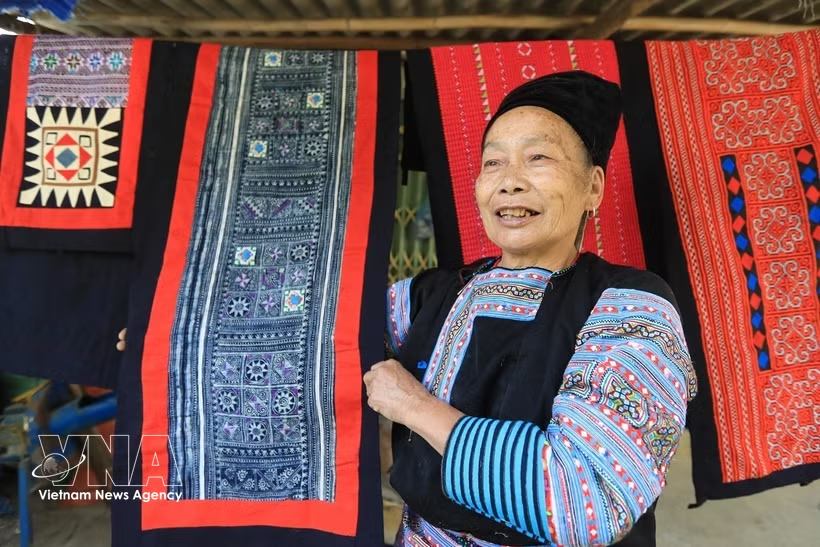
A defining element of Mong textiles is the technique of beeswax drawing on linen. Using a small copper pen dipped in molten beeswax, women skillfully trace intricate patterns onto white linen. The fabric is then repeatedly dyed in indigo vats. Once the wax layer is removed, striking white motifs emerge against a deep indigo background, creating a harmonious aesthetic rich in ethnic identity.
Patterns on Mong brocade typically depict nature, mountains, and daily life, carrying deep cultural narratives within every stroke beyond their aesthetic value.
Sung Y Thanh, a local resident, said mastering needlework is an essential milestone for Mong women, who sew clothes for their entire families.
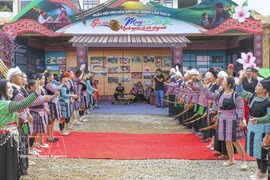
Today, Thanh noted, many traditional crafts face the risk of fading as young people move to urban areas. However, in Pa Co, brocade weaving is maintained thanks to community awareness and support from local women’s unions.
Beyond heritage preservation, brocade weaving has opened up sustainable livelihoods. Traditional garments, handbags, scarves, and handcrafted souvenirs are increasingly sought after by tourists for their uniqueness and authentic craftsmanship.
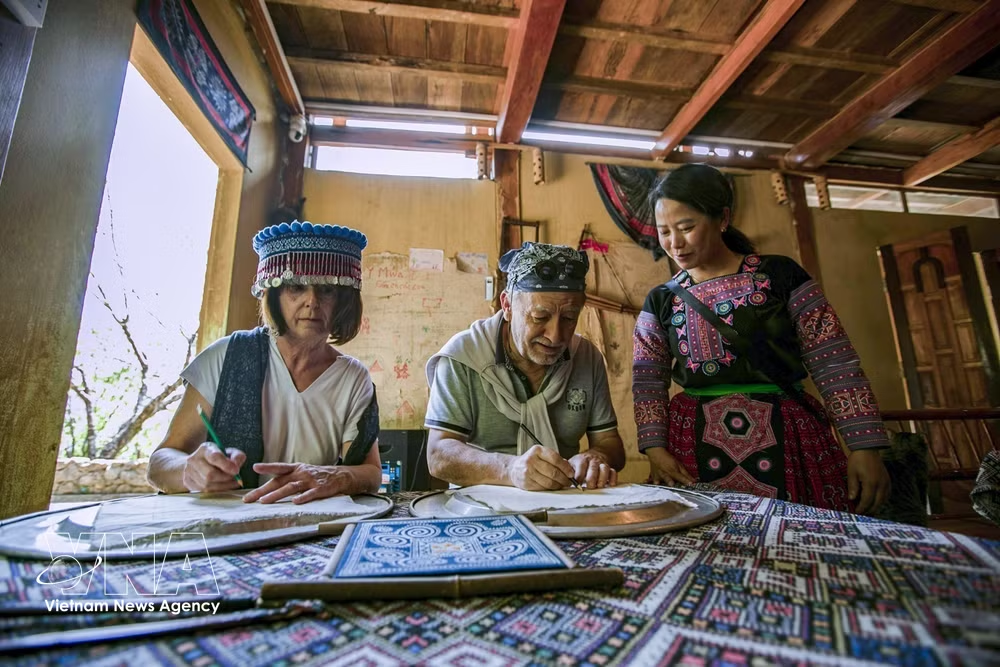
Hang Y Tenh, head of the Pa Co commune Women's Union, highlighted that active weaving groups in Pa Co 1 and Cha Day hamlets cater to both local needs and commercial demand.
Many brocade products made by local Mong women have been introduced to domestic and international visitors, even reaching markets in Laos, Thailand, and the US, Tenh said.
Thanks to this, many women have earned a stable income, averaging 70 to 80 million VND (2,700–3,000 USD) annually, she added.
Amid modern shifts, the image of Mong women quietly working beside their looms remains a serene symbol of highland culture. Each flax thread and needle stitch not only weaves vibrant fabrics but also bridges the past with the present, safeguarding the cultural soul of their ethnic group for generations to come./.