Hanoi (VNA) – The 8th Hanoi International Film Festival (HANIFF VIII) will run from November 28 to December 2 under the theme “Cinema – Connection – Development”, aiming to drive cultural exchange, showcase films and widen cooperation among film makers.
A new industry marketplace
The festival’s centerpiece is the Vietnam Film & Television Market (VFM), which is to make professional networking and deal making a core part of the event.
VFM is slated for November 28–30 to connect producers, distributors, investors, content companies and international partners. The meetings are meant to generate copyright sales, co-production, distribution and multi-platform content deals, giving firms a way to find partners, gauge demand and push Vietnamese films to foreign audiences.
Dang Tran Cuong, Director of the Cinema Department under the Ministry of Culture, Sports and Tourism, said Vietnamese cinema needs a professional market linking producers with buyers and distributors. The festival, in his view, must showcase films, drive art exchange and enable trade.
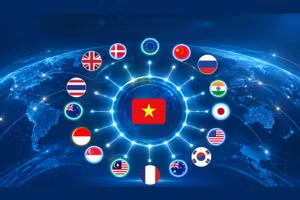
To that end, the department signed a Memorandum of Understanding on cooperation with GLOEX in August. With 14 years of experience running trade events in content and entertainment alongside TELEFILM Vietnam, GLOEX expects VFM to draw about 200 booths and more than 100 firms and brands from 15 countries and territories, a scale aimed at making Hanoi an industry meeting point and widening Vietnamese cinema’s international footprint.
Building a sustainable cinema ecosystem
Box office revenue totaled about 6.14 trillion VND (236 million USD) in 2025 on more than 70 million tickets, with Vietnamese films taking about 62% of the market across 55 releases.
But 2026 has been shakier. Box Office Vietnam, an independent tracker, puts first-quarter Vietnamese movie revenue at about 1.08 trillion VND, down from 1.108 trillion VND a year earlier. Through end-September 2026, Vietnamese film revenue was about 2.91 trillion VND, versus 3.852 trillion VND in the same period of 2025.
Box office also captures only part of a film’s economic value. The upside sits in international markets, streaming, television, adaptation rights and other intellectual property (IP) development. Capturing it requires an ecosystem that tightly links creation, production, investment, distribution and IP protection.
Ngo Phuong Lan, Chairwoman of the Vietnam Film Development Association, admitted that Vietnamese cinema has bright spots but lacks an integrated ecosystem. The chain from script building and project packaging to fundraising, production, distribution and long-term value exploitation still has weak links, and the country lacks large-scale studios and content owners able to develop long-term projects.
Against that backdrop, VFM’s value lies in bridging resources: investors for promising projects, co-production partners for producers, more titles for distributors and copyright opportunities for content owners. What matters is whether those ties outlast HANIFF and grow into durable partnerships./.