Jakarta (VNA) - The Indonesian Government is developing a new extended producer responsibility (EPR) mechanism to require businesses to take greater responsibility for waste generated by their products and packaging, as part of efforts to promote a circular economy and ease pressure on the waste management system.
Under the draft regulation being prepared by the Ministry of Environment and the Environmental Control Agency, producers will be responsible for waste arising from products, packaging and containers they place on the market, from product design to post-consumer management.
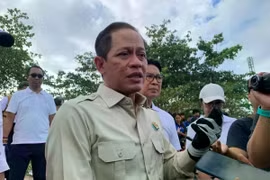
Deputy Minister of Environment Diaz Hendropriyono, who is also Deputy Head of the Environmental Control Agency, said EPR obligations should apply equally to all businesses. The government plans to finalise and announce the regulation in November.
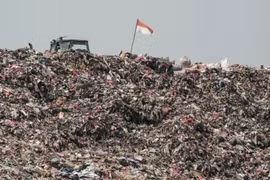
Indonesia generates around 144,500 tonnes of waste daily, but only about 25% is managed. Around 70% of the country’s 522 waste disposal sites still use open dumping, posing risks to the environment. The government aims to manage all waste generated nationwide by 2029.
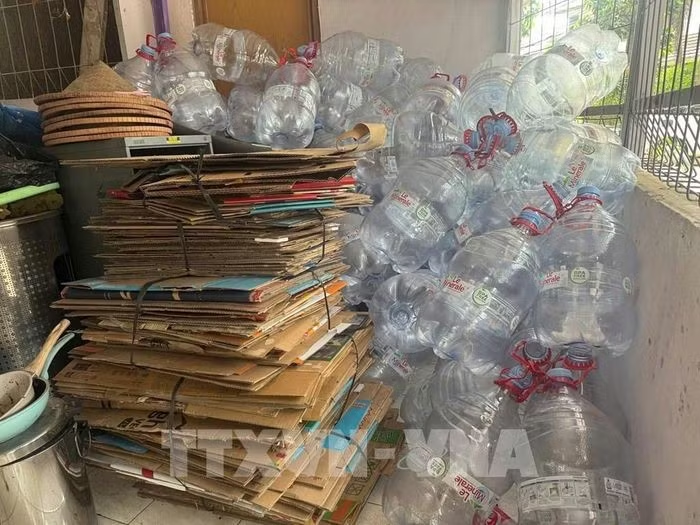
The country produces approximately 10.83 million tonnes of plastic waste annually. Although 227 domestic recycling companies have a combined capacity of 3.16 million tonnes a year, they utilise only about 48% of it. In 2024, the industry imported around 263,000 tonnes of raw materials to meet quality requirements, while approximately 61% of domestic plastic waste remained inadequately managed./.