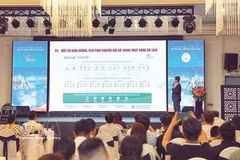
Hanoi (VNA) – Connecting distinct cultural spaces into a seamless travel experience can significantly enhance destination appeal while creating new momentum for sustainable tourism-driven economic growth, tourism officials said at a promotion conference in Hanoi on April 10.
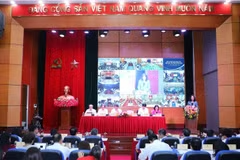
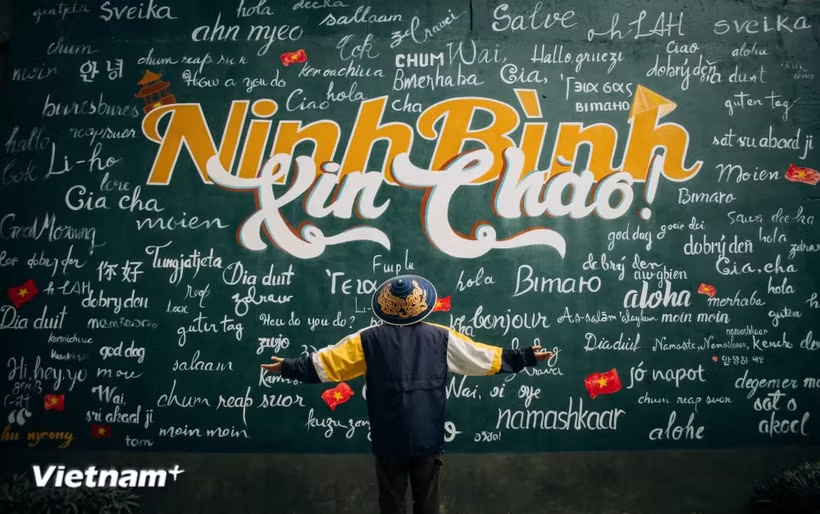
The event, themed “Hung Yen – Ninh Binh – Ca Mau: Connecting heritage, spreading identity”, brought together tourism authorities and businesses to explore opportunities to strengthen inter-regional cooperation and develop new tourism products.
Speaking at the conference, Pham Duy Phong, Deputy Director of the Ninh Binh Department of Culture, Sports and Tourism, said the three localities represent different cultural regions of Vietnam and, when linked together, create a rich and diverse tourism journey with substantial development potential.
The conference also reflected the spirit of the Politburo’s Resolution No. 80-NQ/TW on developing Vietnamese culture, which places cultural heritage at the centre of efforts to preserve and sustainably promote national values through tourism and economic activities.
The event took place amid growing demand for market connectivity and tourism product diversification, particularly in Hanoi and northern provinces, which welcome large numbers of domestic and international visitors.
According to Phong, Hung Yen and Ninh Binh provinces in the north and Ca Mau province in the south possess abundant and diverse tourism resources, ranging from cultural and historical sites to natural attractions, scenic landscapes, and distinctive local traditions.
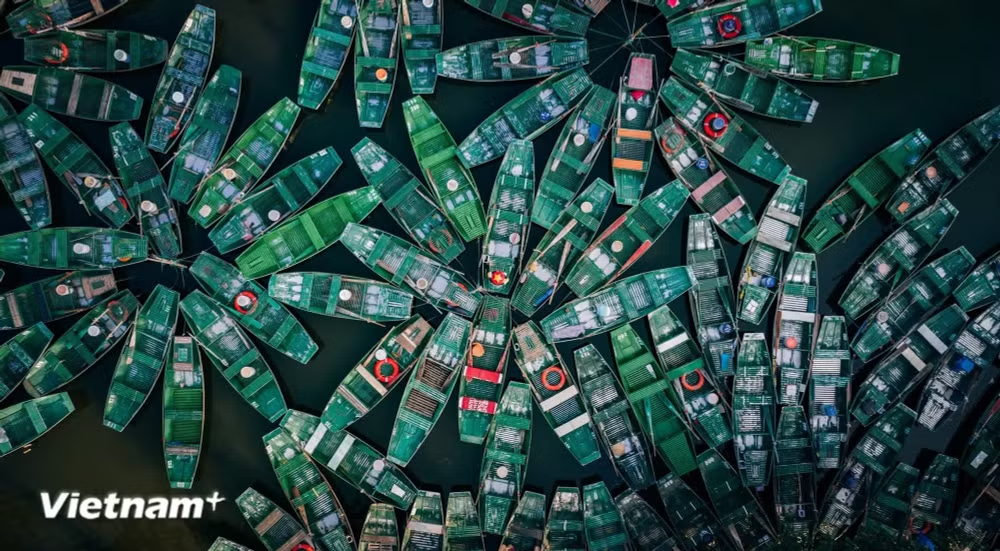
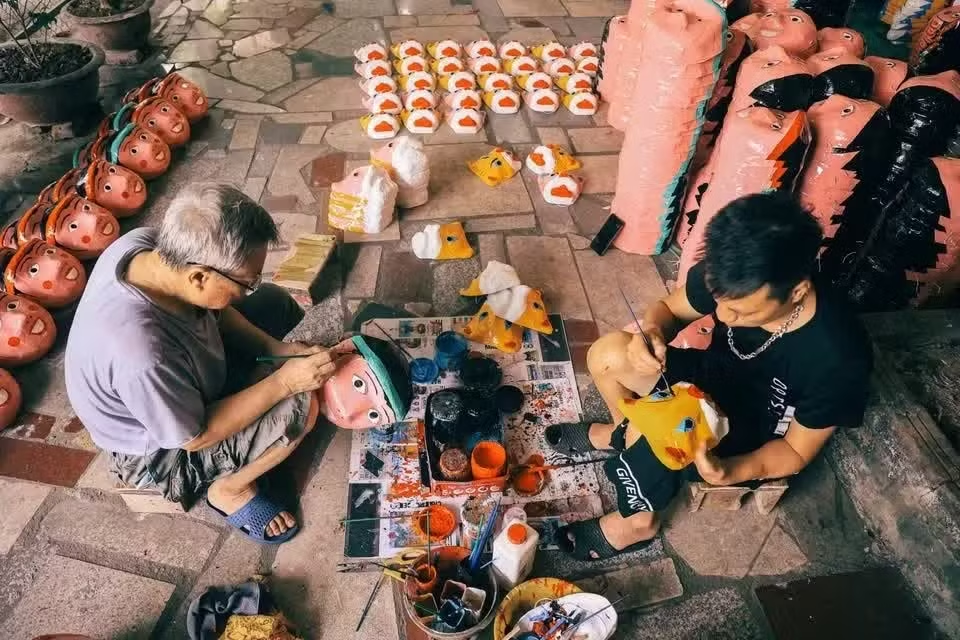
Each locality offers unique strengths that complement one another. Ninh Binh is renowned for its rich cultural and natural heritage, highlighted by the UNESCO-listed Trang An Scenic Landscape Complex. Ca Mau, Vietnam’s southernmost province, is known for its distinctive coastal and forest ecosystems and warm hospitality, while Hung Yen stands out for its cultural heritage, traditional craft villages, and long-standing history.
Tourism cooperation among the three provinces has gained momentum in recent years through joint promotion campaigns and destination marketing initiatives. The development of linked tourism products helps expand markets, strengthen destination branding, and attract more visitors.
Phong said the conference is expected to facilitate the creation of attractive inter-provincial tourism products, improve service quality, and strengthen tour connectivity, thereby contributing to sustainable tourism development and local socio-economic growth.
Officials noted that the three localities collectively represent the cultural diversity of Vietnam, stretching from the Mekong Delta to the Red River Delta. Their contrasting landscapes, ecosystems, and cultural identities provide a strong foundation for high-value inter-regional tourism experiences.
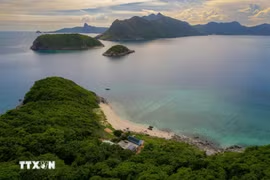
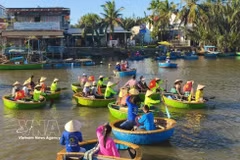
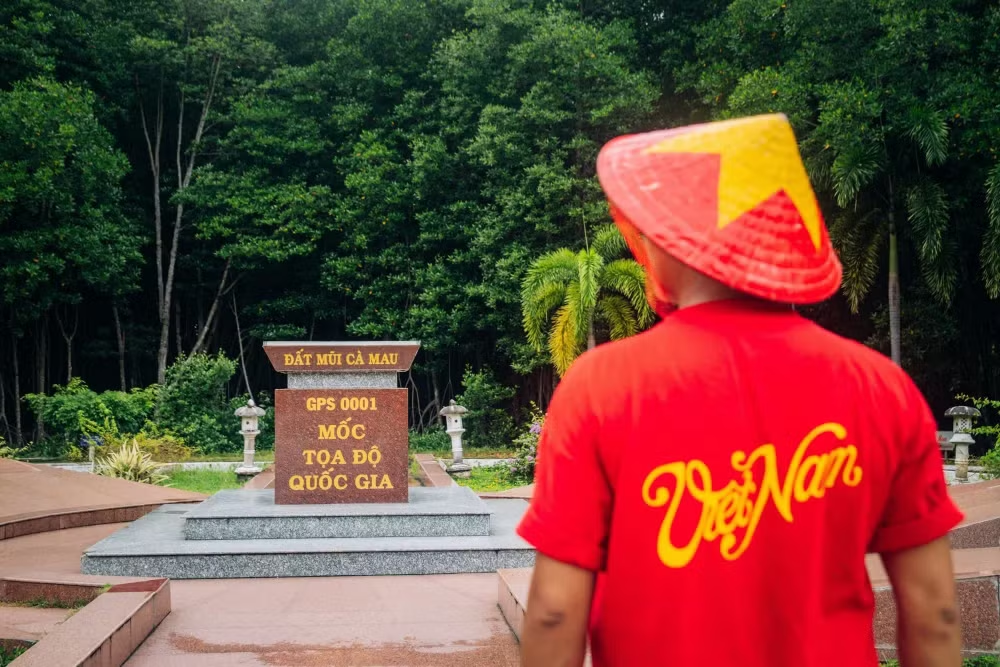
Ca Mau offers mangrove forests, melaleuca wetlands, coastal ecosystems, and river-based cultural experiences, making it well-suited for eco-tourism, community-based tourism, and experiential travel. Despite challenges, the province has made steady progress in enhancing tourism products while balancing conservation and cultural preservation.
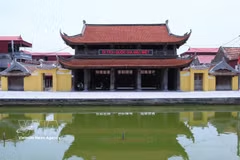
Meanwhile, Ninh Binh continues to leverage its world-class natural and cultural attractions, while Hung Yen attracts visitors with its historic Pho Hien heritage, traditional craft villages and distinctive cultural traditions.
Pham Van Hieu, Deputy Director of the Hung Yen Department of Culture, Sports and Tourism, said the three provinces each possess distinctive identities: Hung Yen with the cultural legacy of Pho Hien, Ninh Binh with its outstanding heritage values and internationally recognised attractions, and Ca Mau with the unique character of Vietnam’s southernmost region.
“It is precisely this diversity that creates the strength of regional connectivity. Once linked together, these differences no longer represent geographical distance but become a tourism value chain with enormous potential,” he said.
During the conference, representatives agreed on several priorities, including strengthening joint promotion activities, developing inter-provincial tour routes, accelerating digital transformation, and supporting businesses in product development and market expansion.
As Vietnam’s tourism industry undergoes rapid transformation, closer cooperation among localities is increasingly viewed as an essential strategy. By combining their distinctive strengths and broadening market access, destinations can enhance their competitiveness while creating a more compelling and sustainable tourism offering for domestic and international travellers./.