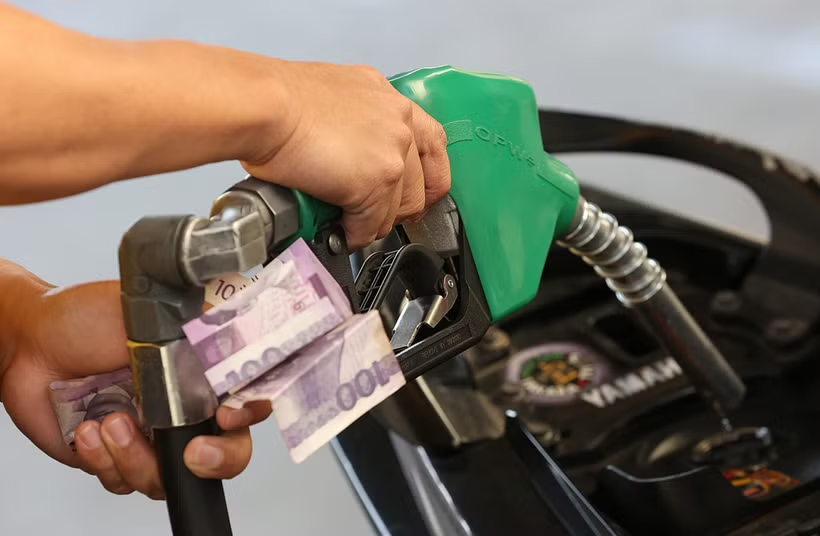
Hanoi (VNA) – Inflation in the Philippines surged in March, reaching its highest level since July 2024, as conflicts in the Middle East disrupted energy supplies and drove up fuel prices.
Data released on April 7 by the Philippine Statistics Authority (PSA) showed that consumer prices in March rose 4.1% year-on-year, exceeding the average estimate of 3.8% in a Bloomberg News survey and the 2.4% increase recorded in February.
PSA chief Dennis Mapa said the main driver of the sharp rise in inflation in March was a 9.9% increase in transportation costs, the highest since January 2023, as petrol and diesel prices saw their biggest gains since September 2022. The price of diesel fuel, widely used in public transportation, has risen by nearly 60%.
Core inflation, which excludes certain food and energy items, rose to 3.2%, its highest level in almost two years.
The Central Bank of the Philippines (Bangko Sentral ng Pilipinas) forecasts that inflation could exceed its 2–4% target range this year. However, the bank maintained its policy interest rate at last month’s meeting, noting that monetary policy has “limited effectiveness” against supply shocks.
The Southeast Asian nation is particularly vulnerable as it imports almost all of its oil from the Middle East. Oil prices have surged after Iran tightened its control over the Strait of Hormuz, forcing countries like the Philippines to compete for supplies.
The Philippine government has taken steps to mitigate the impact of the oil shock, including postponing increases in transportation fees and negotiating with producers to stabilise prices of essential goods./.