Hanoi (VNA) – Vietnam’s stock market has emerged as a key driver of economic growth, serving as a channel for medium- and long-term capital mobilisation and a launchpad for businesses to enhance governance and financial transparency, said insiders.
According to Minister of Finance Nguyen Van Thang, the establishment of Vietnam’s stock market is a vivid outcome of the country’s reform in mindset and the improvement of its socialist-oriented market economy institutions under the sound leadership of the Party and State.
Over the past 25 years, the stock market has weathered challenges and volatility to achieve remarkable growth in legal framework, market structure, liquidity, transparency, and international integration. From just two listed companies at its inception with a market capitalisation equal to 0.2% of GDP, the market has now expanded to more than 1,600 companies, with the capitalisation of stocks and bonds hitting nearly 100% of GDP, positioning itself as a key mobilisation channel for medium- and long-term capital for the economy.
Through a resilient and steadfast journey in the last 25 years, from its humble beginnings to the standards of an advanced market, Vietnam’s stock market has consistently demonstrated its role and effective contributions across the nation’s development periods.
In the new phase, attention will be paid to finalising the legal framework, strengthening supervision, diversifying products, promoting digital transformation, and expanding global cooperation. The key goal is to upgrade from frontier to emerging market status and affirm its role as a vital channel for mobilising capital.
Meanwhile, Luong Hai Sinh, Chairman of the Members' Council of the Vietnam Stock Exchange (VNX), stated that after 25 years, the stock market has proven to be a launchpad for listed enterprises to establish their brands and expand. It serves as a channel to encourage businesses to enhance governance standards, ensure financial transparency, and foster investors’ trust.

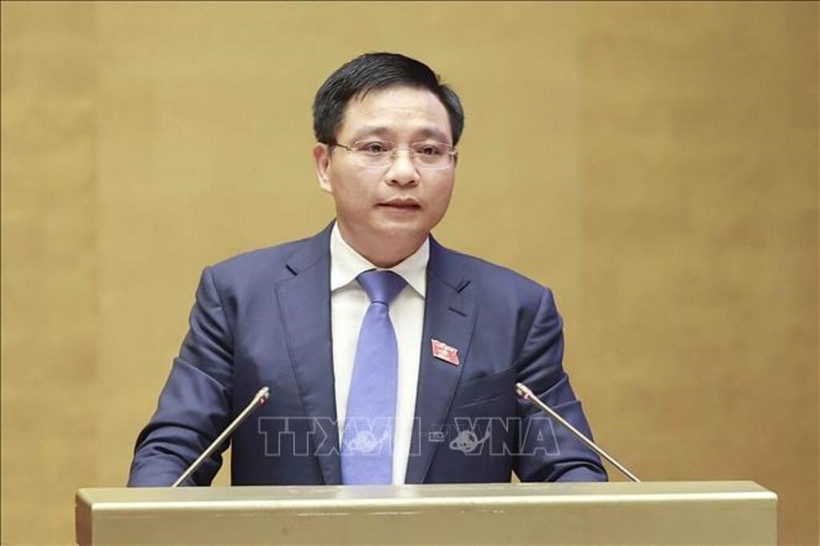
Luong Hai Sinh, Chairman of the Members' Council of the Vietnam Stock Exchange (VNX) (Photo: VNA)
Upgrading the stock market will create greater opportunities for businesses as the country enters a new era of development with strong aspirations and determination, he said, adding that this also motivates enterprises to be more proactive in innovation and deeper integration.
Don Lam, CEO of VinaCapital, emphasised that the stock market has played a pioneering role in Vietnam’s economic transformation and served as a crucial foundation for the development of the private sector, paving the way for the nation’s financial self-reliance.
The market upgrade is an important goal, but not the ultimate destination. More importantly, it aims to boost domestic capital mobilisation, laying a foundation for national financial self-reliance, and affirming Vietnam’s economic position in the context of global integration, he said.
Nguyen Thi Mai Thanh, Chairwoman of the Board of Directors of REE Corporation, said that issuing shares on the stock market is a safe, transparent, and sustainable way to raise capital. She emphasised that investors always expect transparency, clear strategies, and long-term commitment, which in turn fosters healthier growth for businesses.
Insights from representatives of the financial sector, listed companies, and investment funds highlight the market’s resilience, determination, and new directions in an era of deeper global integration./.