Hanoi (VNA) – UK travel magazine National Geographic Traveller has highlighted an early-morning food tour of Hanoi, offering visitors a chance to explore traditional markets, sample local dishes and experience the capital’s daily life before sunrise.
In an article titled “Follow Hanoi's Breakfast Trail for a Feast Before Sunrise”, Natasha Bazika follows a local chef on a culinary journey beginning at around 4:00 am, away from the city’s usual tourist attractions and well-known restaurants.
The first stop is Dong Xuan alley, where the restaurants are yet to open, though some of the vendors are flicking their gas stoves on to heat big steel vats of broth.
The lively trading atmosphere, vendors’ conversations, and aromas of cooking broth offer a different perspective on Hanoi.
The journey continues to Long Bien wholesale market, where goods, vegetables, fruit, meat, and fish are constantly transported and sorted for restaurants and eateries across the city. Visitors can also learn how Vietnamese people select and use aromatic herbs, which help shape the distinctive flavours of Hanoi’s cuisine.
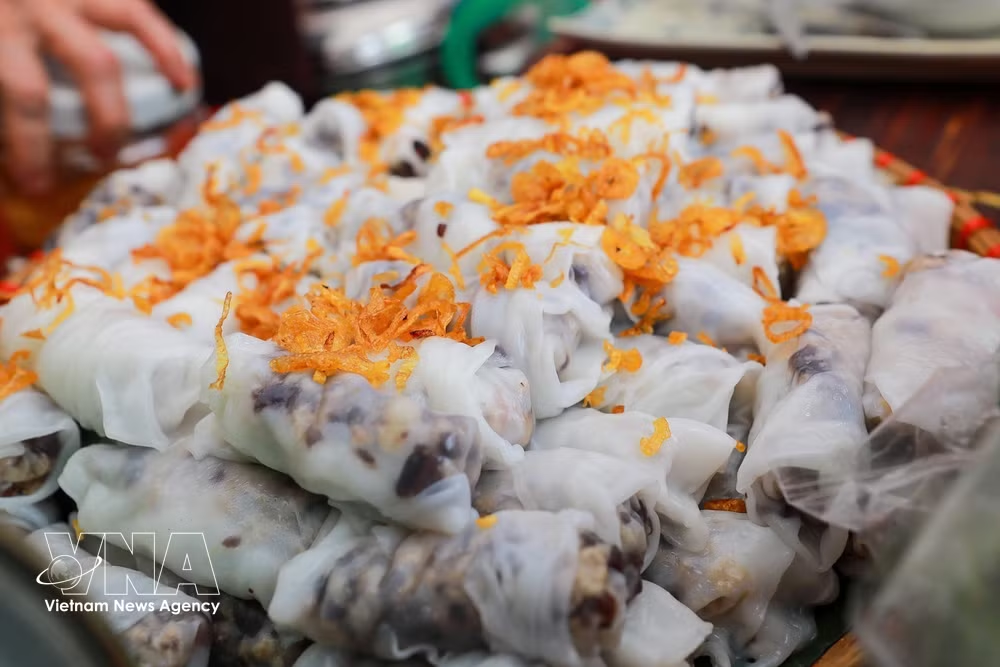
After exploring wholesale markets, the tour takes visitors to small and affordable eateries frequented by local residents for breakfast.
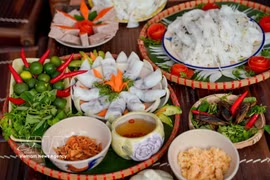
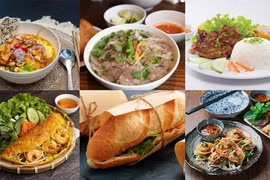
Among the dishes featured are banh cuon, steamed rice paper rolls filled with pork, and bun cha, grilled pork served with fresh rice vermicelli, herbs, and salty-sweet dipping sauce.
Pho bo (beef noodle soup), a signature dish of Vietnamese cuisine, is another highlight. Its rich broth, beef, and traditional seasonings create a distinctive flavour enjoyed by many international visitors. Other dishes introduced in the article include cha muc (fried squid cake), xoi thap cam (steamed sticky rice), bun moc (soup with vermicelli, meatballs and bamboo shoots) and cold egg coffee. The variety allows visitors to sample a range of the capital’s culinary specialities in a single morning.
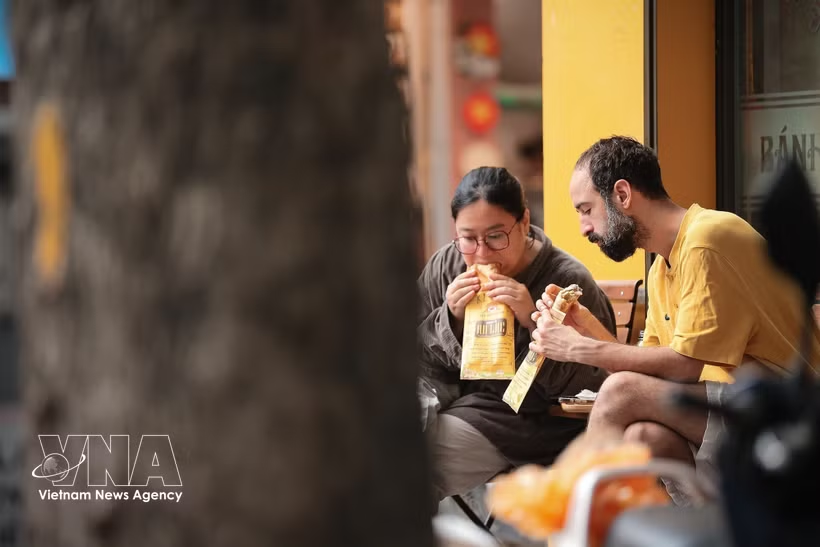
According to the article, beyond the food itself, the experience also offers an insight into local life. Small family-run eateries, plastic stools on pavements and residents having breakfast before heading to work provide an authentic glimpse into the daily routines of Hanoians. “By 8.30 am, the tarps are folded and the crates cleared away. As Hanoi emerges into the daylight and tourists start to line up at restaurants for breakfast, there’s little sign that the street stalls have been here at all,” it said.
The Vietnam National Authority of Tourism said culinary tours linked to local life can help create distinctive tourism products. Beyond sampling local specialities, visitors can learn about cultural traditions, trading activities and the livelihoods behind each dish.
Developing such in-depth experiences also offers Hanoi opportunities to diversify its tourism products, tap into the value of traditional markets, and introduce Vietnamese cuisine to international visitors./.