Hanoi (VNA) – Vietnam has asked for continued support from the Joint United Nations Programme on HIV/AIDS (UNAIDS) to end AIDS as a public health threat by 2030 and ensure the epidemic does not resurge beyond that date, as the country shifts toward a more sustainable HIV response amid declining international assistance.
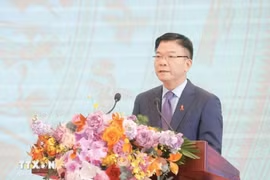
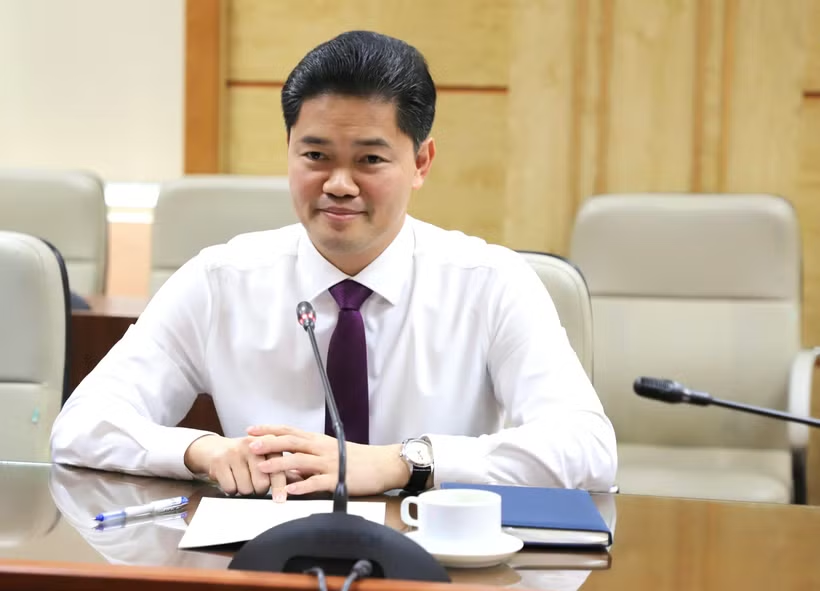
Permanent Deputy Minister of Health Vu Manh Ha had a meeting in Hanoi on June 8 with Patricia Ongpin, UNAIDS Country Director for Vietnam, Laos, Cambodia and Malaysia, to discuss future cooperation on HIV/AIDS prevention and control.
Ha thanked UNAIDS for its longstanding support, saying the partnership has helped Vietnam become a regional success story in HIV control.
He noted that as international funding has declined, Vietnam must move towards a more sustainable response by strengthening domestic ownership, mobilising national resources, expanding the role of health insurance, maintaining community participation and ensuring uninterrupted access to essential HIV services.
Ongpin reaffirmed UNAIDS' commitment to coordinating international support for Vietnam in achieving its national HIV/AIDS targets.
She highlighted ongoing cooperation with the Ministry of Health's Vietnam Administration of Disease Prevention to accelerate the integration of HIV service costs into Vietnam's national financing system, including social health insurance, the National Target Programme on Health and Population, disease prevention funds and other public financing mechanisms.
Ongpin also outlined key international priorities, including preparations for Vietnam's funding proposal under the Global Fund's Grant Cycle 8 (GC8) for 2027–2029. The proposal will include financial gap analysis, financing matrices, transition planning, implementation roadmaps and sustainability measures.
She stressed the importance of integrating HIV services into primary healthcare and universal health insurance, expanding social contracting to sustain community-led services, strengthening community engagement and ensuring equitable access for key populations.
Participants also discussed technical cooperation, transition plans and priority interventions to improve programme coordination, reduce operating costs, strengthen integration across programme components and respond effectively to declining external resources.
The success of the GC8 proposal was seen as critical to sustaining Vietnam's HIV/AIDS achievements after international donor support ends.
The Vietnam Administration of Disease Prevention has incorporated transition and sustainability measures into the proposal. These include mobilisation of domestic resources, expanded use of health insurance, phased transfer of essential HIV services and commodities to domestic financing, and development of social contracting mechanisms to preserve community-based services.
Ha said Vietnam is implementing the Politburo’s Resolution No. 72-NQ/TW and other policies that shift the healthcare system's focus from treatment to prevention, making preventive healthcare a central pillar of the national health system. The strategy includes regular health check-ups and, eventually, free screening programmes, including for people living with HIV.
He reaffirmed Vietnam's commitment to ending AIDS as a public health threat by 2030 while maintaining long-term epidemic control.
The Deputy Minister emphasised that HIV/AIDS prevention remains an integral part of protecting and improving public health through universal health insurance, primary healthcare, equitable access to services and the principle of leaving no one behind.
He called on UNAIDS to continue providing technical support in finalising Vietnam's GC8 proposal, particularly in areas such as financial gap analysis, financing frameworks, transition planning, co-financing arrangements, sustainability strategies and the gradual transfer of essential HIV services to domestic funding.
He also requested support in developing sustainable financing models by increasing domestic budget mobilisation, expanding the role of health insurance, reducing out-of-pocket spending and ensuring uninterrupted HIV prevention, testing and treatment services during the transition.
UNAIDS is expected to continue working with the Global Fund, the Country Coordinating Mechanism (CCM), United Nations agencies and development partners to help Vietnam build policy consensus during the transition, while sharing international experience on sustainable financing, grant management, HIV service integration and community engagement./.