Hanoi (VNA) - Escalating tensions in the Middle East following large-scale military strikes by the United States and Israel on Iran have raised concerns over global energy markets and supply chains, creating new challenges for economies around the world, including Vietnam.
According to Deputy Minister of Industry and Trade Nguyen Sinh Nhat Tan, the Ministry of Industry and Trade has activated contingency plans aimed at ensuring fuel supplies, stabilising the domestic market and supporting the country's economic growth targets.
The deputy minister said following the Government’s issuance of key economic resolutions, the ministry developed a comprehensive action plan designed to promote growth while maintaining market stability amid an increasingly uncertain global environment.
In response to the latest developments in the Middle East, the ministry has focused its efforts on three main priorities.
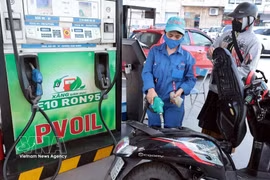
The first is safeguarding energy security and ensuring stable fuel supplies, which officials describe as the “lifeblood” of the economy.
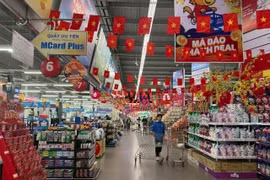
The second is strengthening market monitoring and managing the supply and demand of essential goods to prevent shortages, hoarding and speculation, particularly as higher logistics costs continue to put pressure on businesses and consumers.
The third pillar focuses on early warning mechanisms and agile responses across supply chains. The ministry has been working closely with Vietnam’s trade offices abroad to monitor market developments and provide timely information to businesses, enabling them to adjust transport routes and payment methods when necessary.
The ministry has also strengthened coordination with other government agencies, particularly the Ministry of Finance, to ensure that fuel prices are managed in line with market principles while maintaining appropriate state oversight.
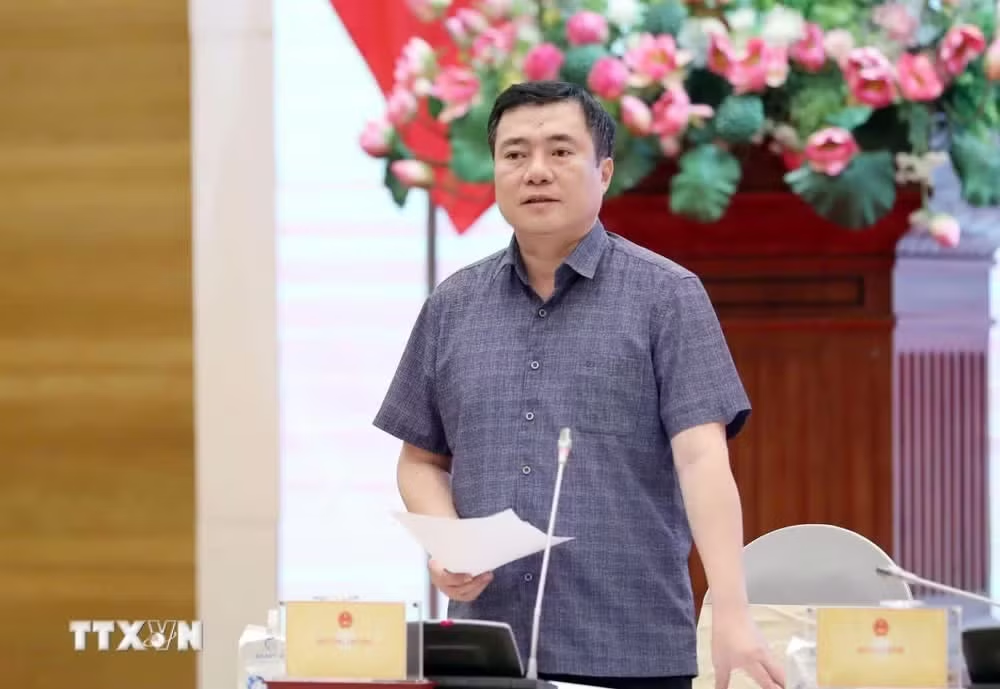
Nguyen Sinh Nhat Tan noted that the Prime Minister recently established a special task force on energy security in response to the evolving situation in the Middle East. The task force covers not only petroleum supplies but also other forms of energy. As its standing agency, the Ministry of Industry and Trade is providing daily reports to support policy decisions and ensure rapid responses to emerging risks.
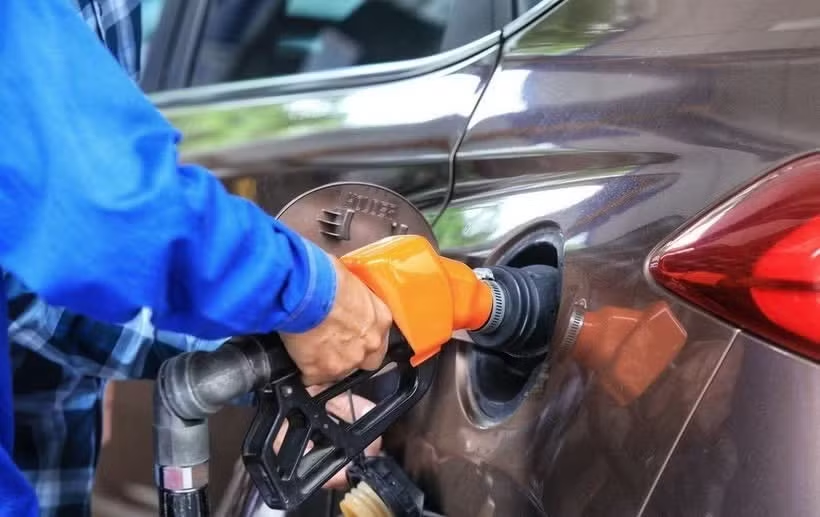
Ensuring fuel availability remains a key component of the ministry’s strategy. To reduce the risk of supply disruptions caused by international transport challenges, Vietnam is seeking to diversify import sources and avoid excessive dependence on any single region.
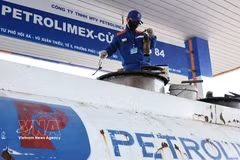
Fuel importers have been encouraged to expand long-term supply agreements with partners in Southeast Asia, Australia and the United States to offset potential disruptions to shipping routes through the Middle East. At the same time, distributors are required to maintain mandatory commercial reserves and remain prepared for possible tightening of global supplies.
The ministry is also working to maintain stable output from domestic refineries while prioritising supplies for the local market.
Alongside supply security, controlling inflation and stabilising prices remain top priorities.
The ministry said it is coordinating closely with industry associations, local authorities and major enterprises to closely monitor supply-demand conditions, particularly for strategic commodities such as petroleum, electricity, gas and steel.
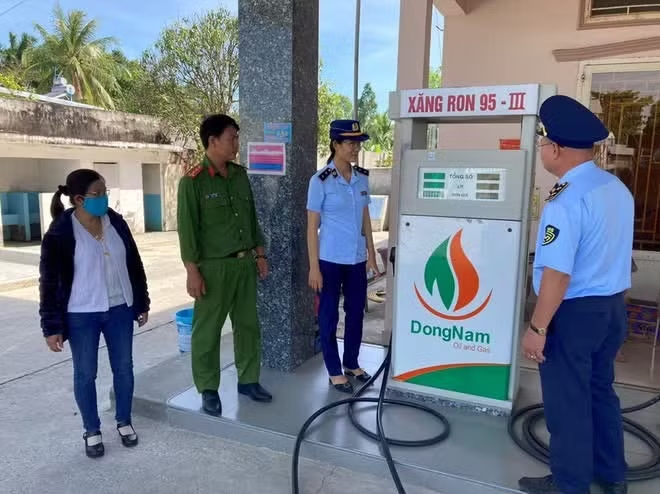
Should unusual market fluctuations arise, the domestic market management team is prepared to convene emergency meetings to assess the situation and implement appropriate measures aimed at preventing shortages or sharp price increases.
Through close inter-agency cooperation, the Ministry of Industry and Trade aims to contain inflationary pressures, maintain market confidence and support macroeconomic stability.
Officials believe these measures will help protect economic growth while ensuring that essential goods and energy supplies remain available despite growing uncertainties in the global economy./.