Sydney (VNA) – As Vietnam steps up the implementation of Politburo Resolution No. 23-NQ/TW on overseas Vietnamese affairs and Resolution No. 80-NQ/TW on cultural development, Vietnamese representative agencies in Australia are renewing their approach to mobilise overseas Vietnamese (OV) resources and promote cultural ties, contributing to national development and stronger bilateral relations.
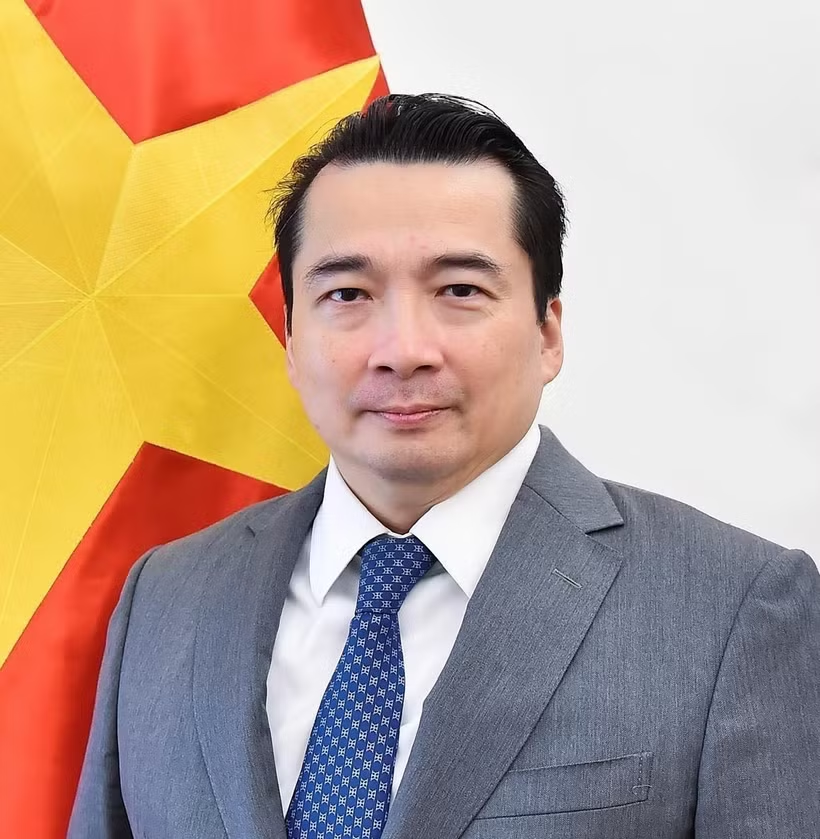
Vietnamese Consul General in Perth Pham Hai Anh highlighted the potential of the Vietnamese community, the role of younger generations and the importance of culture as a bridge between the two countries in an interview with the Vietnam News Agency.
Regarding Resolution No. 23, he noted a significant shift in approach, from mobilising and supporting OVs to working alongside them, creating enabling mechanisms for them and harnessing their resources.
The Vietnamese community in Western Australia and the Northern Territory is relatively young and dynamic, with many experts, engineers and entrepreneurs working in key sectors such as energy, mining, healthcare and high-tech agriculture. Australia's strengths in natural resources and technology also complement Vietnam's market of more than 100 million people. With their understanding of both languages and business cultures, OVs are well placed to promote trade, investment and knowledge exchange.
Vietnamese identity and life in Australia are complementary rather than separate. The more successful overseas Vietnamese became in Australia, the greater their ability to contribute to their homeland and bilateral ties, he said.
He also highlighted the role of younger generations, pointing to the establishment of the Vietnamese Students' Association in the Northern Territory (NOVAS) on September 29, 2026. The organisation extends the network of Vietnamese student associations to all Australian states and territories. However, he stressed that young people should be empowered to lead activities themselves, with community initiatives addressing practical needs such as education, employment, skills development and entrepreneurship.
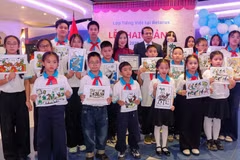
Preserving the Vietnamese language among children born and raised in Australia is equally important. Weekend language classes, homeland visits and cultural activities can help maintain their connection with their roots. Contributions to the homeland need not be major undertakings; research projects, business connections, charity work and sharing authentic stories about the country on social media can all make a difference.
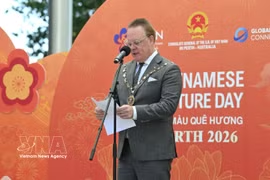
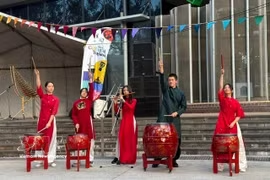
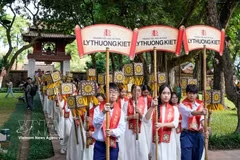
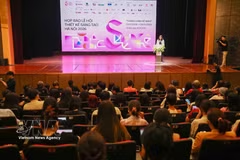
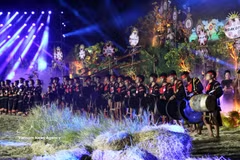
Meanwhile, Resolution No. 80 highlights culture as an endogenous resource and a source of national soft power. Cultural events in Western Australia and the Northern Territory demonstrate the potential of this approach. This year's Lantern and Light Festival in Darwin attracted around 5,000 visitors, while Vietnamese Cultural Day 2026, themed “Viet Nam in Full Colours”, in Perth drew nearly 4,000.
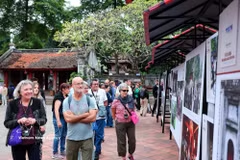
The growing participation of Australian residents, international visitors and local officials alongside the Vietnamese community shows that these events are becoming part of Australia's multicultural life.
To sustain their impact, Anh called for distinctive cultural event brands, regular annual activities and closer cooperation with local authorities, schools and cultural institutions. He also stressed the need to connect culture with tourism, education and economic activities.
He commended the active contributions made by Vietnamese community organisations in Western Australia and the Northern Territory, including the Western Australian Vietnamese Women's Association (WAVNWA), the Vietnamese-Australian Scholars & Experts Association in Western Australia (VASEA-WA), the Australia-Vietnam Talent Network, the Vietnamese International Students Association of Western Australia (VISAWA), the Vietnamese Families Association, and NOVAS, expressing his hope that they would continue to grow and strengthen the community.
He affirmed that Vietnam's diplomatic mission in Perth would continue connecting overseas Vietnamese with domestic resources and local partners, enabling the community to contribute more effectively to their homeland and the Vietnam–Australia Comprehensive Strategic Partnership./.