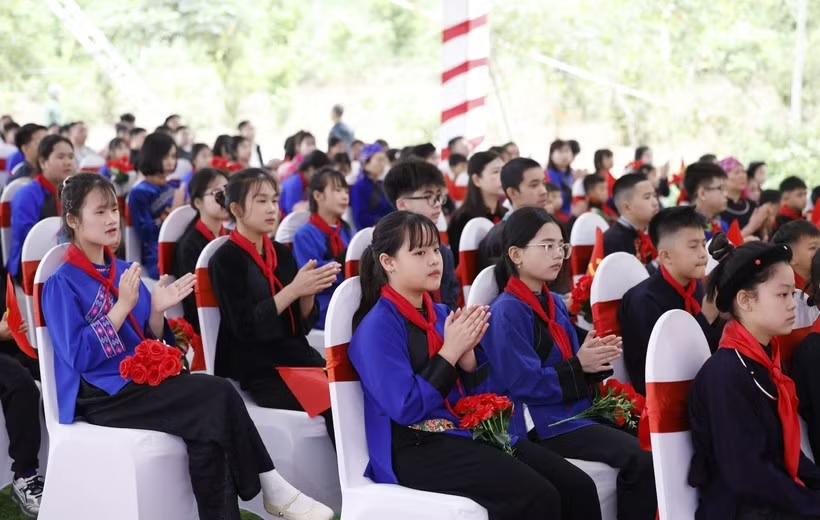
Hanoi (VNA) – The Ministry of Education and Training has asked 22 cities and provinces to ensure newly established boarding schools are fully prepared to begin operations from the 2026-2027 school year.
Under Official Letter No. 5241/BGDDT-GDPT, local authorities must develop implementation plans for operating boarding schools, ensuring they are ready to operate on schedule.
Preventing policy abuse
The ministry said the plans must clearly define each school’s organisational model, scale, location and admission groups, as well as its management structure, teaching and support staff, facilities, finances and policies for managing, educating, caring for and protecting students.
A key requirement is that all necessary conditions be in place from the start of the 2026-2027 school year. Localities must avoid situations where completed facilities cannot be mobilised because staffing, equipment or other conditions remain inadequate.
Local authorities must forecast student numbers by education level for 2026-2030, including demand for full-time and daytime boarding, and determine school sizes based on available facilities and education network planning.
Admission regulations must specify eligible areas and students, quotas and procedures, ensuring transparency and preventing abuse of policies. Localities must prepare plans for receiving new students and dealing with cases in which applications exceed or fall short of available places.
Ensuring student safety
Boarding schools are expected to provide two sessions of learning a day, while strengthening education in life skills, self-care, ethnic culture, history and laws relating to national borders, defence and security. They may also provide instruction in the national languages of neighbouring countries.
Schools must manage learning, meals, accommodation, self-study, rest, collective activities and entry to and departure from school, in close coordination with families.
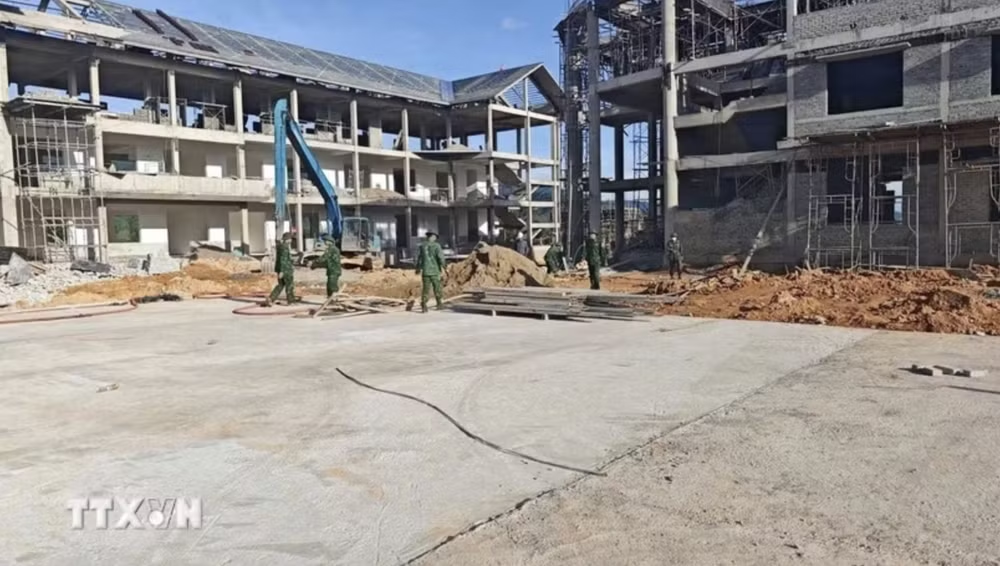
Plans must cover accommodation, meals and care for both boarding students and those staying at school during lunch breaks. Staff directly involved in food preparation and serving must receive food-safety training and undergo health checks. Priority must be given to food suppliers that meet food-safety requirements and have clear product origins and stable supply capacity.
Schools must also arrange staff to supervise boarding facilities outside class hours and maintain 24-hour duty arrangements. Families, local authorities, and health agencies must be coordinated to monitor student health and respond promptly to incidents.
Each school must have a safety plan covering electricity and water systems, fire prevention and fighting, surveillance cameras, boarding facilities, kitchens, playgrounds and areas at risk of accidents, injuries and drowning.
Adequate staffing and funding
The ministry requires each plan to identify staffing structures, job positions and the number and deployment of managers, teachers and support personnel. Priority should be given to ensuring sufficient staff for student supervision and care, healthcare, psychological counselling, catering, security and facility management.
Localities are expected to prepare recruitment, transfer, employment and service-provision plans. Where support staff cannot be recruited, local authorities may consider outsourcing catering, cleaning, security and other necessary services in accordance with regulations.
The ministry also called for training for managers, teachers and support staff in boarding-school management, student care, first aid, prevention of violence and abuse, psychological counselling, fire safety, food safety and school safety in border areas.
Funding must be allocated in a timely and sufficient manner based on Government regulations and relevant legislation. Localities are encouraged to use local budgets and other lawful sources to support operations.
The ministry asked provincial and municipal authorities to urgently direct the development and approval of the plans and allocate the necessary resources for implementation. Any difficulties arising during implementation should be reported to the ministry for coordination and resolution./.