Jakarta (VNA) - Indonesia is set to stop importing low-grade diesel fuel from July 1 as it launches its B50 biodiesel programme, increasing the share of palm oil-based fuel in its energy mix to reduce reliance on imports.
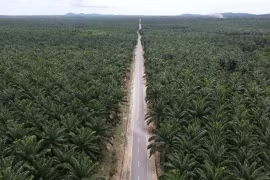
According to Indonesian Agriculture Minister Andi Amran Sulaiman, the country will shift to B50 - a biofuel blend consisting of 50% diesel and 50% crude palm oil.
The official said that the move is part of the Indonesian Government’s efforts to strengthen national energy independence by utilising palm oil as an alternative fuel.
He explained that palm oil can be processed not only into diesel but also into gasoline and ethanol, whose development is currently being accelerated.
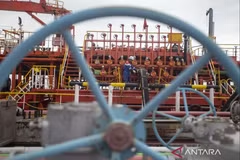
Indonesia’s move comes amid growing disruptions to global energy supplies, especially increasing risks around the Strait of Hormuz, one of the world’s most critical oil shipping routes.
Halting diesel imports and switching to B50 demonstrates Indonesia’s proactive efforts to restructure its energy strategy, reduce dependence on external markets and strengthen domestic supply sources.
The B50 programme represents a further step beyond Indonesia’s previous biofuel policies. However, it also poses challenges related to infrastructure, costs and the capacity to meet domestic demand.
Nevertheless, with strong policy determination and abundant raw materials, Indonesia is sending a clear signal that it aims to transform itself from a fuel-import-dependent country into a model of energy self-reliance based on domestic resources./.

Indonesia aims to master cosmetics industry value chain
Key drivers include its large population, expanding middle class, and rapidly rising demand for beauty products, especially among young consumers. The market has reached billions of US dollars and is projected to maintain strong growth in the medium term.