Tuyen Quang (VNA) – From flax fabrics woven by the skilled hands of Mong ethnic women, Lung Tam commune in the northern mountainous province of Tuyen Quang is forging a path to connect its traditional craft with immersive cultural experiences and product sales.
Alongside local cuisine, traditional attire, and folk games, linen weaving has become a crucial asset in enhancing the region's tourism appeal, creating new livelihood opportunities, and inspiring locals to preserve their heritage.
This transformation is tied to the persistent journey of artisan Vang Thi Mai, Director of the Lung Tam Linen Cooperative.
In 2001, she spearheaded the establishment of the cooperative with just over 10 members. In those early days, the concept of women working in a collective environment was unfamiliar to many Mong families. Mai patiently advocated, helping households recognise that when women secure employment and income, they directly lighten the economic burdens on their families.
From those humble beginnings, the cooperative has gradually introduced its linen products to domestic and international markets while consistently passing down skills to learners.
Mai’s journey demonstrates a practical approach to cultural preservation rooted in daily life – empowering skilled artisans to remain in their craft, ensuring products find buyers, and offering women greater financial independence.
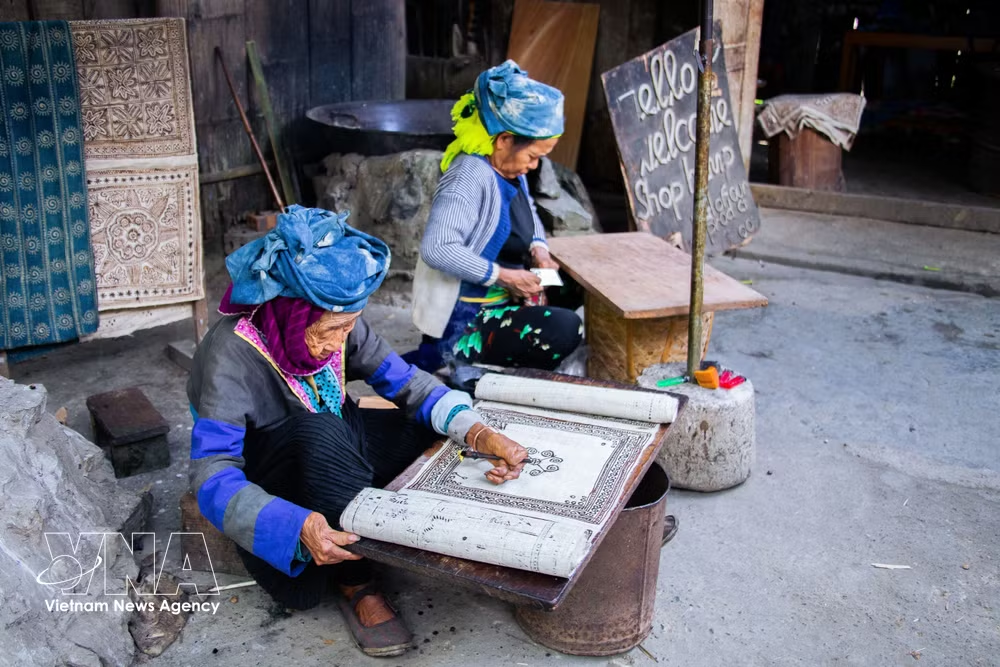
She said sustaining the traditional flax-weaving craft requires a new generation of successors and viable distribution channels, adding that welcoming visitors to the craft village directly links heritage preservation with the community's livelihoods.
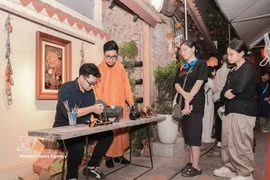
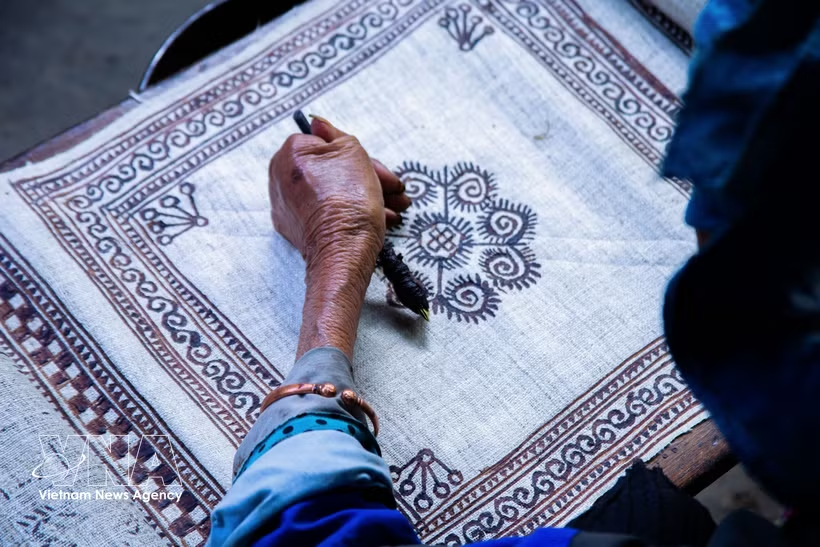
Through observing and trying each step, from weaving and beeswax painting to intricate embroidery, tourists can gain insight into the artisans' dedication and craftsmanship, and purchase these Mong cultural pieces as souvenirs, Mai noted.
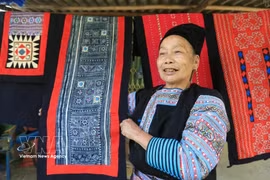
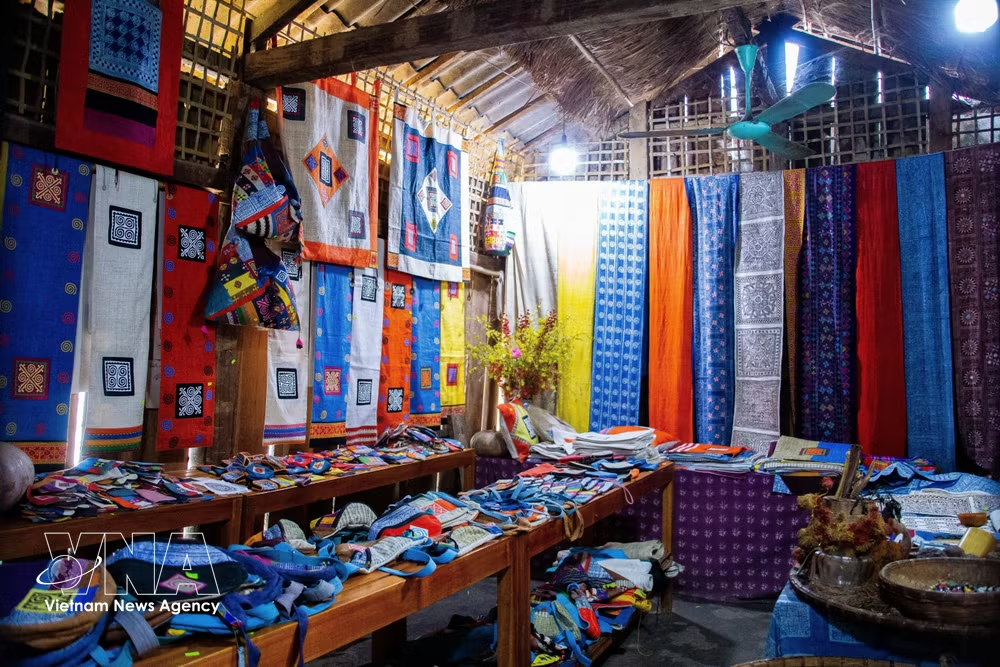
The charm of Mong people’s linen weaving lies in a laborious process that demands immense patience and meticulous skill. Each handbag, wallet, scarf, or traditional garment bearing heritage patterns encapsulates both hard labour and cultural knowledge passed down through generations.
For travellers, watching artisans at work, learning about raw materials, and trying their hand at the craft under expert guidance adds profound depth to their trip.
When a product is presented alongside its story, crafting technique, and the symbolic meanings of its patterns, buyers better appreciate the value of what they take home. Simultaneously, artisans gain direct feedback on visitor preferences, helping them refine designs, storytelling, and product packaging.
Showcasing the step-by-step production process in the same space as product displays allows tourists to visualise the complete journey from flax plant to finished creation. Everyday skills once taken for granted by locals have become engaging cultural exchanges.
This environment also enables younger generations to connect with the craft, honour the toil of their mothers and grandmothers, and appreciate their ethnic roots.
Ha Van Chung, Secretary of the Party Committee and Chairman of the People’s Council of Lung Tam commune, emphasised that cultural preservation must begin by rekindling local pride and a sense of responsibility toward ancestral values.
Local authorities aim to create optimal conditions for artisans, craftspeople, and village communities to directly showcase their identity, while encouraging the youth to learn and carry on the tradition, he said, adding that when locals realise the tangible value of their heritage and see opportunities to improve their quality of life, cultural preservation gains sustainable momentum.
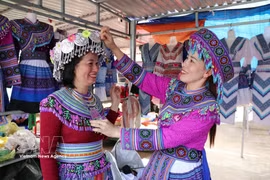
Beyond linen weaving, Lung Tam boasts a rich tapestry of culinary traditions, distinctive costumes, and vibrant community customs waiting to be explored.
The story of Mai and other Mong women illustrates that cultural values truly endure when tied to meaningful employment, steady income, and community empowerment. The growth of tourism opens new horizons for traditional crafts to shine, connects products with appreciation, and gives younger generations a compelling reason to keep their heritage alive./.