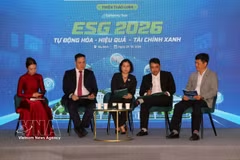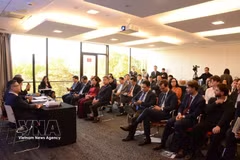
Gia Lai (VNA) - Vietnam’s tourism real estate market needs to shift its focus from speculative investment and expectations of price increases towards operational efficiency, revenue generation and sustainable asset value, experts said at a conference in the central province of Gia Lai on October 30.
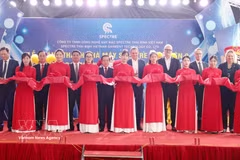
The event, focusing on tourism real estate in a new cycle, was jointly organised by Xay Dung (Construction) Newspaper, the Gia Lai People’s Committee and FLC Group.
At the opening session, Nguyen Thi Hong Nga, Editor-in-Chief of Xay Dung Newspaper, said tourism and resort real estate have significant growth potential, closely linked to tourism, services, transport infrastructure and local socio-economic development. However, the key challenge in the new cycle is not simply launching projects, but ensuring effective operation and real, long-term value.
With coastal and highland tourism spaces connecting Quy Nhon Beach and Pleiku Highland, Gia Lai has opportunities to attract investment and develop its tourism potential. However, projects should be in sync with master plans, market demand, and real operational capacity.
Le Dang Tuan, Deputy Director of the provincial Department of Construction, pointed out that some resort projects have prioritised expectations of rising property prices over tourism operations. Other challenges include inadequate infrastructure, legal obstacles and shortcomings in management and operation. Condotel projects, in particular, face service charges, maintenance, security and the division of responsibilities and benefits among stakeholders, which sometimes lead to disputes.
He called for three fundamental shifts: from speculative price expectations to actual operating value; from standalone projects to integrated tourism ecosystems; and from tapping natural resources to creating value while preserving nature and local culture.
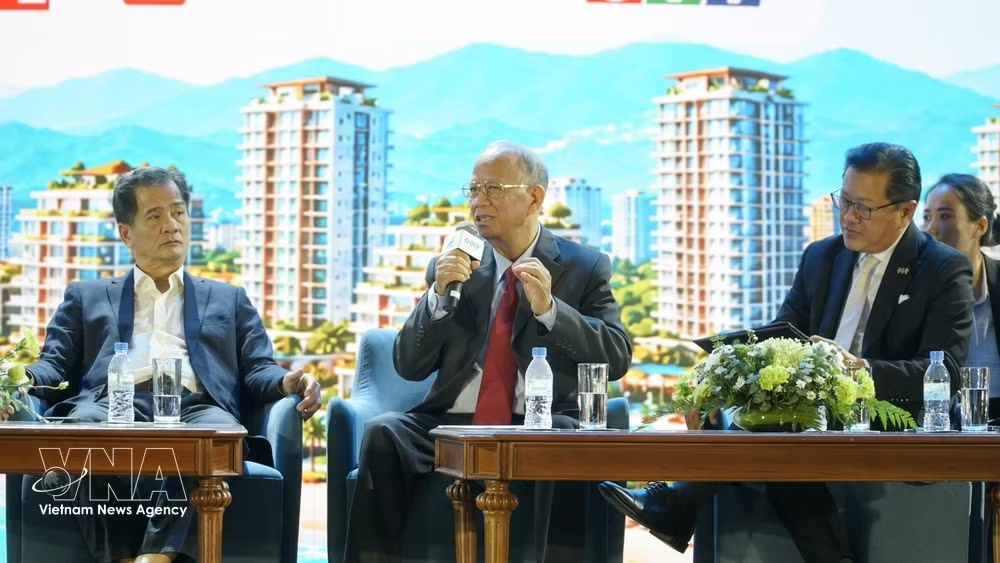
According to Dr Nguyen Van Dinh, Vice Chairman of the Vietnam National Real Estate Association and Chairman of the Vietnam Association of Real Estate Brokers, the country currently has 146,438 condotel units, while supply remains insufficient to meet actual accommodation demand. He forecast further growth towards 2030, supported by economic expansion, improved infrastructure, favourable policies and rising domestic and international tourist arrivals.
However, he stressed that a transparent and consistent legal framework is essential to protect stakeholders and improve project management.
Experts also highlighted the need to harmonise regulations governing land, construction, housing, real estate business, and tourism. Dr Tran Du Lich, former National Assembly deputy and member of the Prime Minister’s economic advisory group, said tourism real estate should be regarded as an integral part of the tourism ecosystem rather than an ordinary property segment.
He called for clearer regulations on property ownership, land-use rights and exploitation rights, saying transparency would strengthen investor confidence and attract resources.
Discussions also focused on balancing individual owners’ rights to exploit their properties with the need for unified management and operation across entire resort complexes.
For Gia Lai, connecting its coastal and highland advantages through distinctive, competitive tourism products will be crucial to attracting investment and ensuring sustainable development of tourism property in 2026-2030./.