Bangkok (VNA) – The Thai Government has announced a three-phase contingency plan to cope with a potential full-scale energy crisis, including fuel rationing and limited operating hours for petrol stations and shopping malls, should the war in the Middle East lead to the closure of two crucial maritime chokepoints.
Nuttaa Mahattana, spokeswoman for the Centre for Monitoring the Situation in the Middle East, said at a press briefing on March 31 that the planning took into account three key issues, including the evolving risk in the Middle East and its implications for Thailand’s energy management, examples of how other countries have responded as risk levels rose, and measures being taken by the Ministry of Commerce.
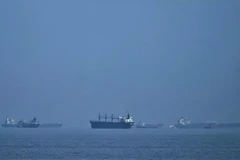
She said while Thailand had successfully negotiated passage for Thai vessels through the Strait of Hormuz, there was growing concern that the Bab el Mandeb Strait in the Red Sea, which is also a vital route for oil and commercial shipping, could also face disruption.
Thailand is currently assessed to be at phase 2, specifically level 2.2, where no oil shortages have emerged and the situation is expected to ease within a month, she added.
Meanwhile, Weerapat Kiatfuengfoo, Deputy Permanent Secretary for Energy, said that under a phase 3 energy crisis, where oil supplies fall short due to the closure of the Strait of Hormuz and the Red Sea route, the Government would impose strict controls on fuel consumption.
Oil rationing would prioritise essential services such as hospitals and ambulances, alongside measures including set operating hours for petrol stations, controls on electricity use, and adjusted opening hours for shopping malls to match available energy supplies./.