Hanoi (VNA) - Politburo Resolution No. 26-NQ/TW identifies Phu Quoc as a new growth pole, an internationally competitive high-end beach resort centre and a destination for major events. With APEC 2027 providing fresh momentum, the island is upgrading everything from aviation and transport to accommodation, convention infrastructure and visitor experiences as it seeks to establish itself on the international MICE tourism map.
MICE: Phu Quoc’s new “gold mine”
MICE — meetings, incentives, conferences and exhibitions — is widely regarded as one of the highest-value segments of the tourism industry.
According to Vietnam’s Ministry of Culture, Sports and Tourism, the global MICE market is projected to reach around US$2.5 trillion by 2031. With delegates typically spending more, staying longer and generating additional revenue across aviation, hospitality, dining, retail and entertainment, the sector is increasingly seen as a “gold mine” that destinations around the world are competing to tap.
For Phu Quoc, MICE represents more than simply another high-potential source of visitors. The segment could help the island evolve from a largely seasonal resort destination into a year-round tourism hub, while increasing spending per visitor and strengthening its ability to attract corporate groups, investors and international professionals.
Yet a successful MICE destination cannot rely on beautiful scenery and luxury hotels alone. To accommodate delegations numbering in the thousands, a destination must meet a wide range of requirements at the same time: convenient air access, large-scale transport capacity, sufficient high-quality accommodation, flexible conference venues, reliable security and healthcare systems, advanced technology, professionally trained staff and compelling experiences that encourage delegates to stay on after the meetings are over.
That is precisely where a new opportunity is opening up for Phu Quoc. Being selected to host APEC 2027 has not only placed the island in the international spotlight, but has also created a powerful incentive to comprehensively upgrade its capacity to receive, organise and serve large-scale delegations.
From the APEC boost to a competitive MICE ecosystem
Easy access is a prerequisite for any successful MICE destination.
According to Dr Tran Huu Hiep, Vice Chairman of the Mekong Delta Tourism Association, “a successful MICE hub must ensure convenient access for thousands of delegates arriving from multiple countries.”
To meet the requirements of APEC 2027 while creating room for long-term growth, Phu Quoc International Airport is being expanded to meet ICAO Code 4E standards.
Under current development plans, the airport is expected to increase its capacity to around 20–24 million passengers a year, with more than 120 aircraft parking stands and the ability to handle wide-body aircraft such as the Boeing 787 and Airbus A350.
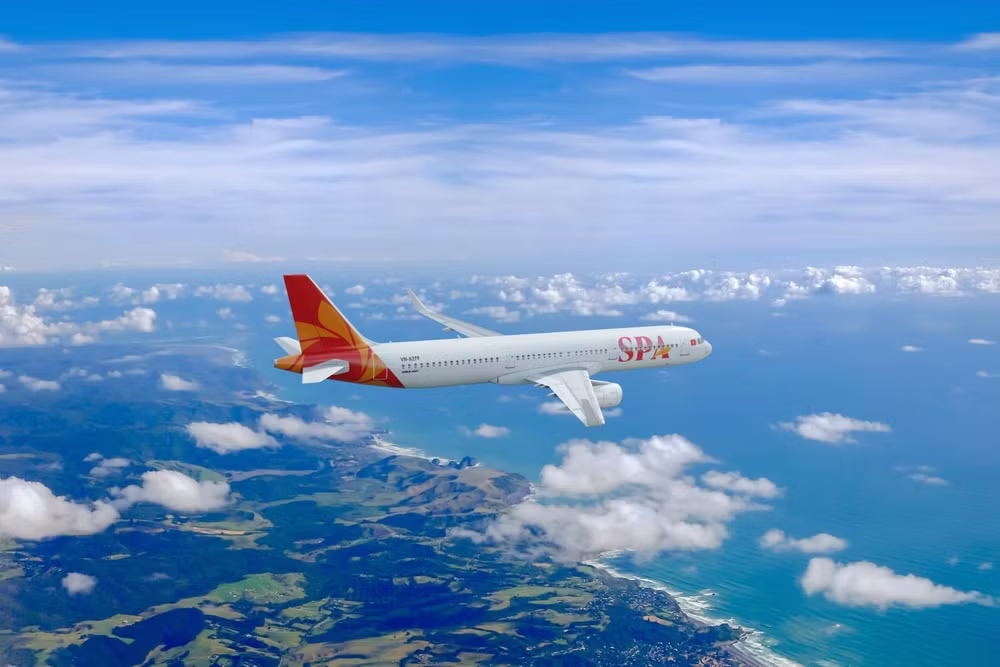
At the same time, Phu Quoc’s international air network continues to expand. Sun PhuQuoc Airways alone has established direct links between the island and Seoul, Taipei, Hong Kong, Chengdu, Singapore, Kuala Lumpur and Bangkok, while also targeting important source markets including India, Japan, Russia and Kazakhstan.
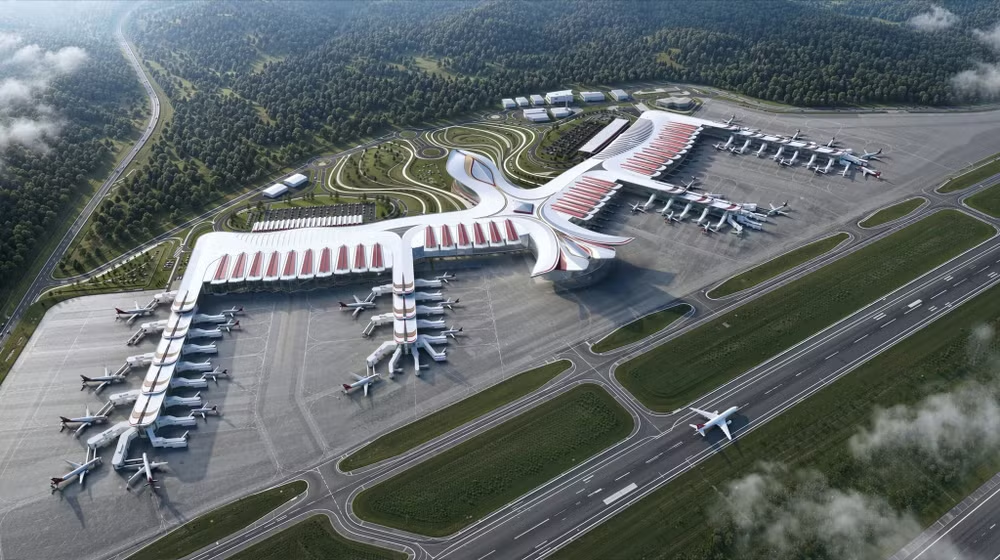
Air access is only the first step. For a large-scale MICE hub, the next challenge is moving thousands of delegates simultaneously between the airport, hotels and event venues.
In Phu Quoc, the approximately 19km DT.975 road corridor and the first phase of a nearly 18km light rail line are being developed to connect the airport directly with the APEC convention complex.
With a planned carrying capacity of around 4,500 passengers an hour, the rail system is expected to shorten journey times, ease pressure on road traffic and improve the island’s ability to move large numbers of delegates at the same time.
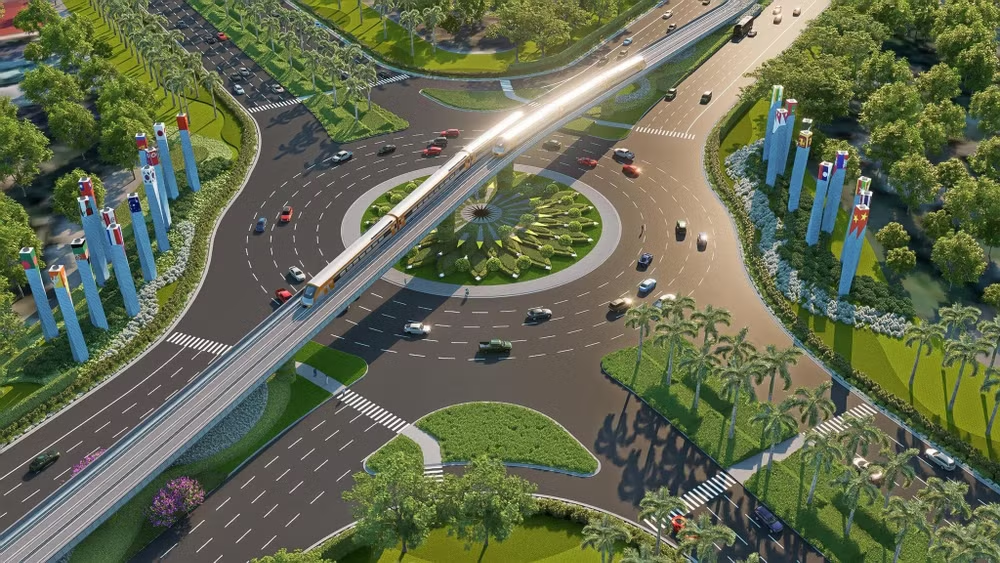
The transport network will connect with a rapidly expanding supply of high-end accommodation.
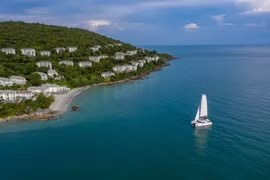
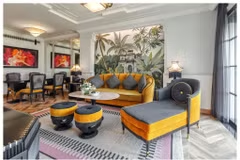
Phu Quoc is already home to international hospitality brands including JW Marriott, New World, Premier Village and La Festa – Curio Collection by Hilton. Between 2026 and 2027, thousands of additional rooms are expected to come into operation, increasing the island’s capacity to accommodate large groups across a range of market segments.
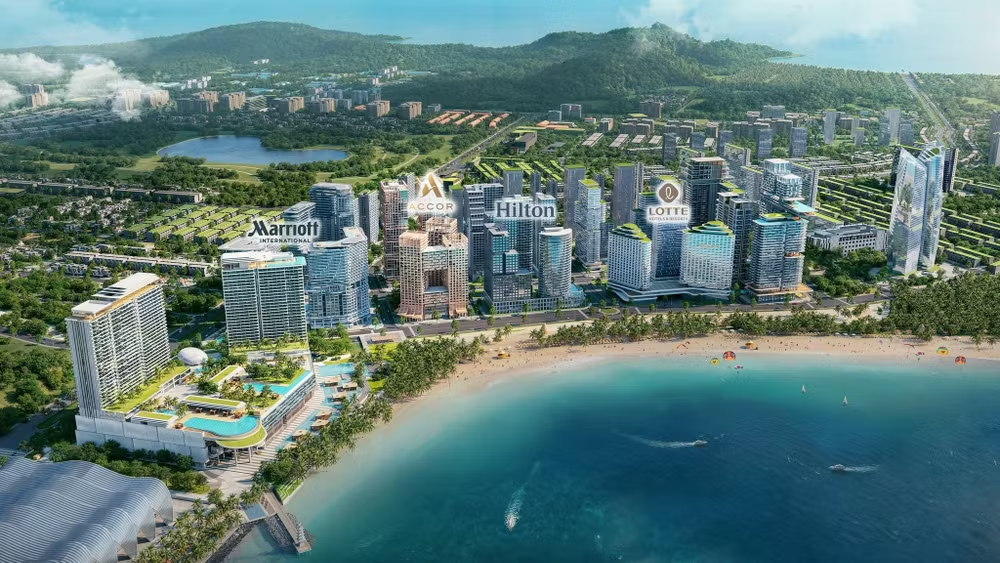
Among the most prominent developments is the Bai Dat Do complex along APEC Boulevard, comprising 17 seafront high-rise buildings with nearly 7,000 rooms.
The project is expected to bring together 13 brands operated by five of the world’s leading hotel management groups, including names making their debut in Vietnam such as SO/, Conrad and W Hotels.
Once completed, the development will form a major accommodation cluster next to the APEC facilities, helping to reduce travel time between delegates’ hotels and event venues.
The centrepiece of the new MICE infrastructure will be the APEC Convention and Exhibition Centre, with a total floor area of more than 157,000 sq m.
The venue will feature more than 11,000 sq m of ballroom and exhibition space, with an 81-metre column-free span. It will be capable of hosting events for up to 10,000 people and banquets for around 5,000 guests.
Its column-free design will allow the space to be configured flexibly for plenary sessions, exhibitions, gala dinners and large-scale product launches.
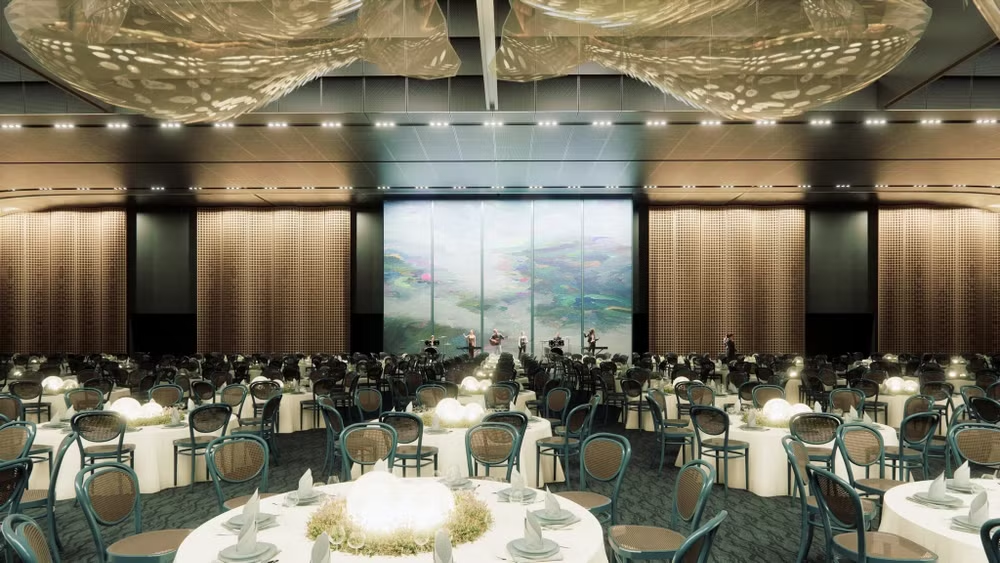
Adjacent to the convention centre will be a multi-purpose performance venue with more than 4,000 seats, as well as an International Media Centre.
The integration of these facilities will allow multiple meetings, performances and media activities to take place simultaneously within the same complex — an especially important requirement for major international events involving thousands of delegates.
The value of this infrastructure will extend well beyond APEC 2027.
Once the event is over, Phu Quoc will have an international-scale convention, exhibition and performance complex that could provide the foundation for competing to host high-level conferences, trade exhibitions, corporate galas and major cultural events.
APEC could also leave behind a significant “soft legacy”, strengthening the island’s capabilities in event coordination, protocol, security, healthcare, foreign languages, technology and the delivery of services for demanding international delegations.
Beyond infrastructure, one of Phu Quoc’s key advantages lies in its ability to extend the experience beyond the meeting room.
Event organisers can combine conferences with seaside team-building activities, group entertainment at Sun World Hon Thom or networking at Eschuri Vung Bau Golf, where the 18-hole course is designed around a “forest-to-sea” journey.
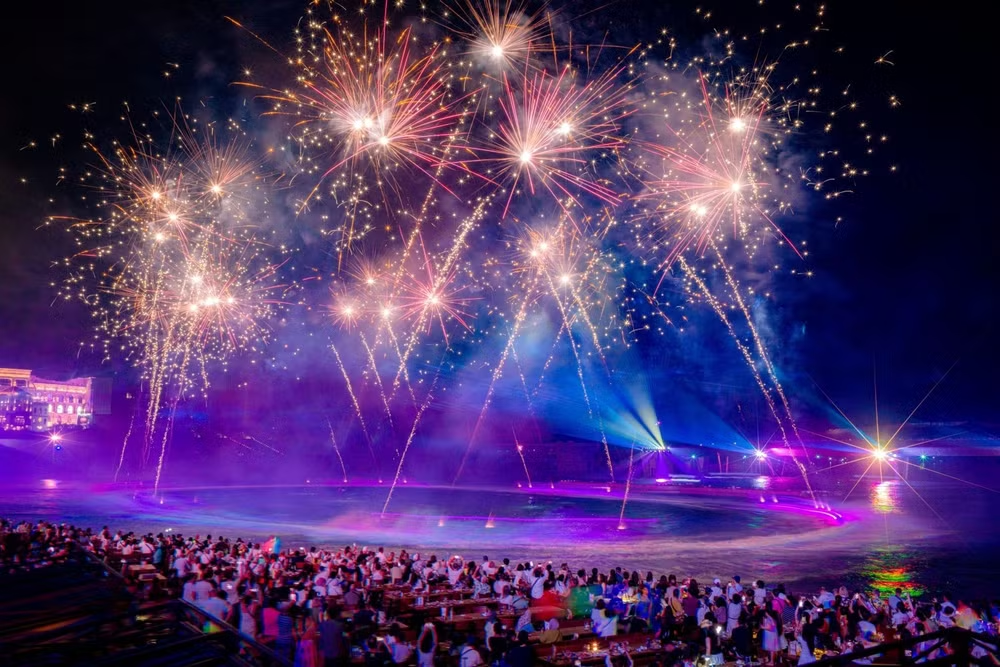
After dark, southern Phu Quoc’s entertainment ecosystem offers further options for gala dinners and evening events.
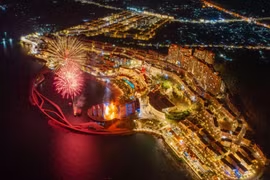
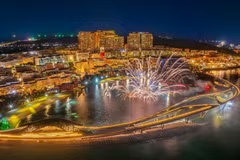
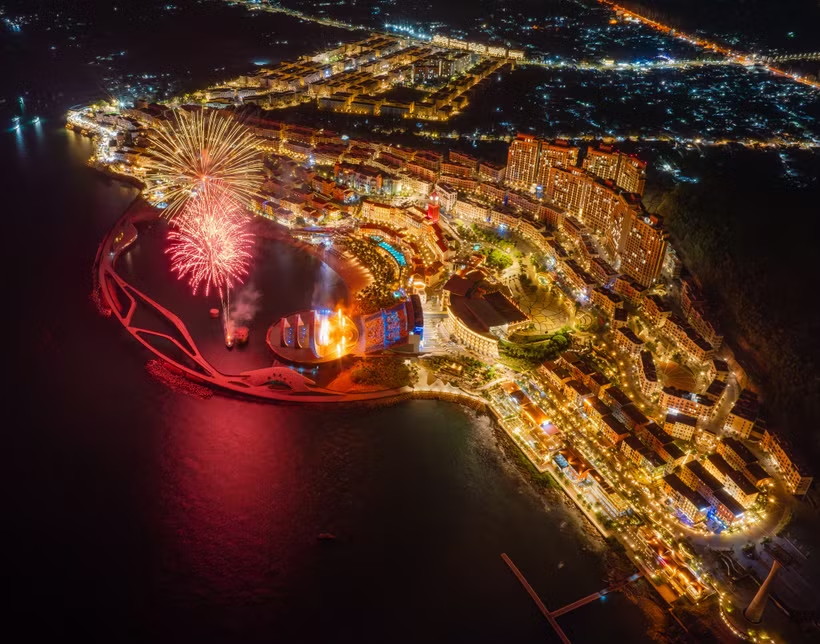
At Sun Bavaria GastroPub — billed as the world’s largest beachfront beer restaurant — groups can combine food and craft beer with “Symphony of the Sea”, a show featuring jet-ski performances, flyboarding and fireworks over the water.
“Kiss of the Sea”, meanwhile, features a 5,000-seat outdoor grandstand and can be incorporated into post-conference programmes, adding a memorable element to incentive trips and corporate events.
The ability to combine meetings, accommodation, leisure, dining and entertainment within a single itinerary gives Phu Quoc a further advantage: the potential to encourage MICE visitors to stay longer and spend more.
Once known primarily as a leisure island, Phu Quoc is steadily building the capabilities of an international MICE hub.
If the new infrastructure and service capacity developed for APEC 2027 continue to be used effectively after the event, the “APEC legacy” could become a launchpad for Phu Quoc to enter the global MICE race — and carve out a new role for itself on the world tourism map./.