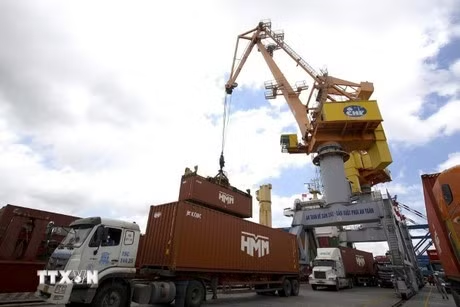
Infrastructure breakthrough – powerful driver of national growth

In 2025 alone, 564 infrastructure projects with total investment exceeding 5.14 quadrillion VND (195.5 billion USD) were inaugurated or started construction, supporting economic growth and intra- and inter-regional connectivity.

Infrastructure breakthrough made great contributions to the country’s robust GDP growth of 8.02% in 2025. (Photo: VNA)

Hanoi (VNA) – Among the three strategic breakthroughs identified by the Party – institutions, infrastructure and human resources, infrastructure development has played a crucial role, emerging as a key engine of the recent strong growth, making great contributions to the country’s robust GDP growth of 8.02% in 2025 and about 6.3% in the 2021–2025 period.

Transport infrastructure – “lifeblood” of economy

The Party has consistently affirmed that infrastructure, especially transport infrastructure, is the “lifeblood” of the economy and a bridge to new development space. In the Party's 13th tenure, this aspect was elevated into one of the three strategic breakthroughs.

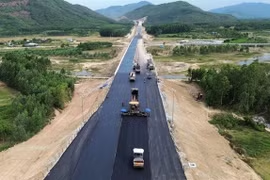
During 2021–2025, substantial resources were mobilised across all five transport areas – road, aviation, railway, maritime and inland waterways. In particular, the Government issued resolutions and action plans with the target of having 3,000km of expressways nationwide by the end of 2025.

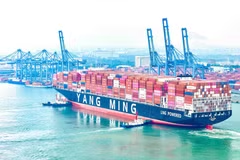
Many key tasks have been implemented and completed, significantly reshaping the national infrastructure landscape and contributing to socio-economic development. Major projects include Long Thanh International Airport, Terminal T3 at Tan Son Nhat International Airport, Terminal T2 at Noi Bai International Airport, and international seaports such as Lach Huyen and Cai Mep – Thi Vai capable of accommodating the world’s largest container vessels. The Ben Thanh – Suoi Tien urban railway in Ho Chi Minh City entered operation while 3,345km of expressways, 458km of interchanges and access roads, 1,586km of national highways and 1,701km of coastal roads have been completed or technically opened, unlocking vast development potential, particularly for the marine economy.

In 2025 alone, 564 projects with total investment exceeding 5.14 quadrillion VND (195.5 billion USD) were inaugurated or started construction, supporting economic growth and intra- and inter-regional connectivity. These include Ca Mau – Dat Mui Expressway, the road to Hon Khoai Port, the Lao Cai – Hanoi – Hai Phong railway, urban rail lines in Hanoi and Ho Chi Minh City, and preparations for the North – South high-speed railway, targeted for groundbreaking in late 2026.

Minister of Construction Tran Hong Minh said Vietnam had only 1,163km of expressways by 2020, making the addition of 1,837km within five years a formidable challenge amid institutional bottlenecks, site clearance difficulties and material shortages. To address these, the National Assembly and Government adopted special mechanisms while the Prime Minister established a State steering committee for nationally important transport projects and launched the “500 days and nights of emulation to complete 3,000km of expressways” campaign.

As a result, by the end of 2025, Vietnam had completed and put into use 3,345km of expressways, exceeding the 3,000km target and essentially completing the North – South Expressway from Cao Bang to Ca Mau as targeted by the 13th National Party Congress, he said.
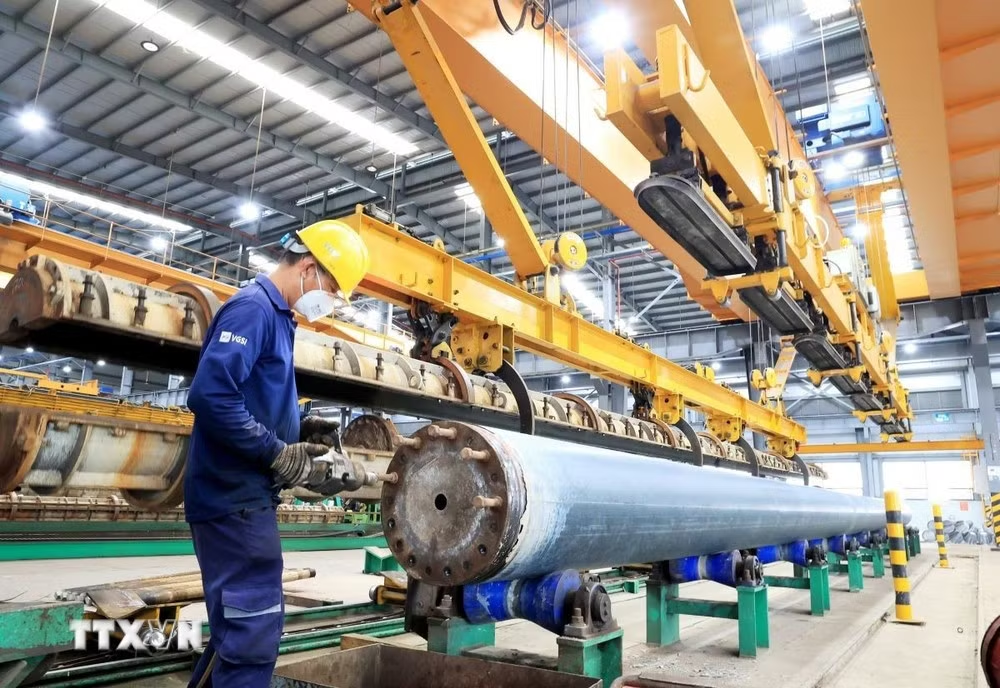
kinh-te-viet-nam-310125.jpg
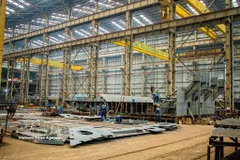
Production activities at a centrifugal concrete pillar manufacturing plant (Photo: VNA)

This achievement has affirmed the construction sector’s leading role in stimulating investment, contributing around 17% of GDP, reducing logistics costs from 21% of GDP in 2018 to 17–18%, creating millions of jobs and driving industrial and service development, according to the minister.

Prioritising resources, avoiding fragmentation

Drawing lessons from 2021–2025, the minister stressed the need to prioritise resources, avoid fragmented investment, and focus on major national projects with strong spillover effects. It is also important to improve institutional frameworks, enhance power decentralisation and accountability, mobilise the entire political system, enhance the sense of responsibility, and foster a spirit of thinking big, acting bold and daring to bear responsibility.

According to the draft action plan for implementing the Resolution of the 14th National Party Congress, developing a modern and integrated infrastructure system will remain a strategic breakthrough, with priorities including expressways, gateway seaports, major airports, the North – South high-speed railway, urban railways in Hanoi and HCM City, international rail connections, and international transshipment seaports.

The experience of recent years shows that with thorough preparation, decisive leadership, joint efforts by the entire political sytem, and broad social consensus, infrastructure will continue to serve as a powerful driver of Vietnam’s sustainable growth./.
VNA

See more

Deputy Prime Minister Ho Quoc Dung and delegates view a robot at the centralised practice centre of the University of Engineering and Technology, Vietnam National University, Hanoi. (Photo: VNA)

Vietnam National University urged to lead in technology development

VNU Hanoi should affirm its position as a research and innovation university complex by continuing to reform its governance model, capitalising on its multidisciplinary strengths, and promoting digital transformation and the application of artificial intelligence.

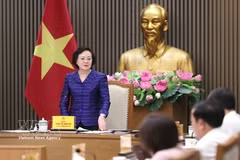
Minister of Culture, Sports and Tourism Lam Thi Phuong Thanh, ed by the Prime Minister, presents the proposal for the draft Law on the Development of Cultural Industries. (Photo: VNA)

Cultural industries development and intellectual property laws under review

According to the Government’s submission, the draft Law on Cultural Industries Development covers the development of ecosystems for cultural industries; support for creativity and the establishment and valuation of intellectual property rights; human resources; infrastructure; markets; finance; and investment incentives and support.

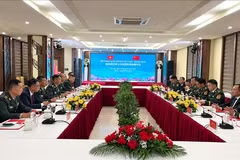
At the talks in Lao Cai province (Photo published by VNA)

Vietnam, China seek to advance opening of Bat Xat-Ba Sa border crossing

The border between Lao Cai and Yunnan has remained generally stable, with bilateral cooperation becoming increasingly substantive. Border guard forces from both countries have closely coordinated in border management and maintaining social order and safety, based on mutual respect for each other’s independence, sovereignty and territorial integrity.

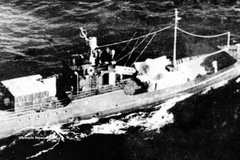
Ship C235, part of the “No-Number Ships” fleet commanded by Captain Nguyen Phan Vinh, transports weapons to support the southern battlefield in 1968 (Photo: VNA)

Keeping alive the tradition of legendary Ho Chi Minh Trail at Sea

The legendary Ho Chi Minh Trail at Sea's enduring values continue to be passed down and nurtured today, inspiring younger generations to take pride in the nation’s heritage and carry it forward as they contribute to national development and the safeguarding of the country’s sovereignty over its seas and islands.

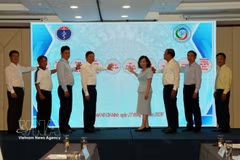
At the hotline launch ceremony (Photo: VNA)

Ho Chi Minh City launches child protection hotline

Ho Chi Minh City launched a 24/7 child protection hotline on October 22 to receive reports of child abuse, violence, maltreatment and illegal child labour, as well as cases involving women experiencing violence or abuse and in need of support.

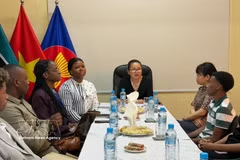
Vietnamese Ambassador to Mozambique Tran Thi Thu Thin (centre) meets with Mozambican students preparing to begin their studies in Vietnam in the 2026-2027 academic year. (Photo: VNA)

Vietnam, Mozambique step up education cooperation, human resource development

Congratulating the 15 outstanding students awarded scholarships of the Vietnamese Government, Thin said the programme represents not only educational cooperation but also a strategic investment in Mozambique’s younger generation and a vivid expression of the close friendship between the two countries.

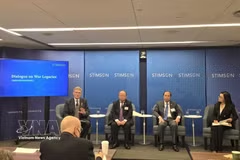
Vietnamese Ambassador to the US Nguyen Quoc Dung (second, right) attends a dialogue on war legacies in Southeast Asia organised by the Stimson Centre in Washington, D.C on October 21. (Photo: VNA)

Vietnam, US step up technology cooperation in search for war martyrs’ remains

Addressing a dialogue on war legacies in Southeast Asia organised by the Stimson Centre in Washington, D.C on October 21, Vietnamese Ambassador to the US Nguyen Quoc Dung briefed representatives of US government agencies, non-governmental organisations and experts on Vietnam’s efforts to address war consequences, while calling for international support and cooperation in urgent humanitarian work.

Vessels in the area of An Thoi fishing port in An Giang province (Photo: VNA)

An Giang steps up crackdown on IUU fishing

Ho Van Mung, Chairman of the An Giang provincial People’s Committee, has ordered local departments, law enforcement forces and authorities to tighten discipline, clearly assign responsibilities and strictly hold agency and local leaders accountable for results in combating IUU fishing.

The seminar entitled “65 Years of the Agent Orange/Dioxin Disaster in Vietnam” takes place in Hanoi on October 21, 2026. (Photo: VNA)

Seminar calls for long-term support for Agent Orange/dioxin victims

VAVA President Lt. Gen. Nguyen Huu Chinh stressed that assistance should extend beyond immediate relief to ensure victims have better access to healthcare, rehabilitation, education, vocational training and livelihood opportunities, enabling them to integrate into society.